


Pinglu Canal sets a model for regional cooperation


I recently joined delegates from the Cambodia-China Journalists Association, and we visited southwest China’s Guangxi Zhuang autonomous region, exploring the Pinglu Canal that had recently opened to navigation. This large-scale water conservancy and shipping project, built over four years, has opened up a direct water route from Guangxi's inland areas to the sea, creating a brand-new major logistics artery for Southwest China to connect with the ASEAN market. The canal offers a development approach worth learning from for practical cross-border regional cooperation.
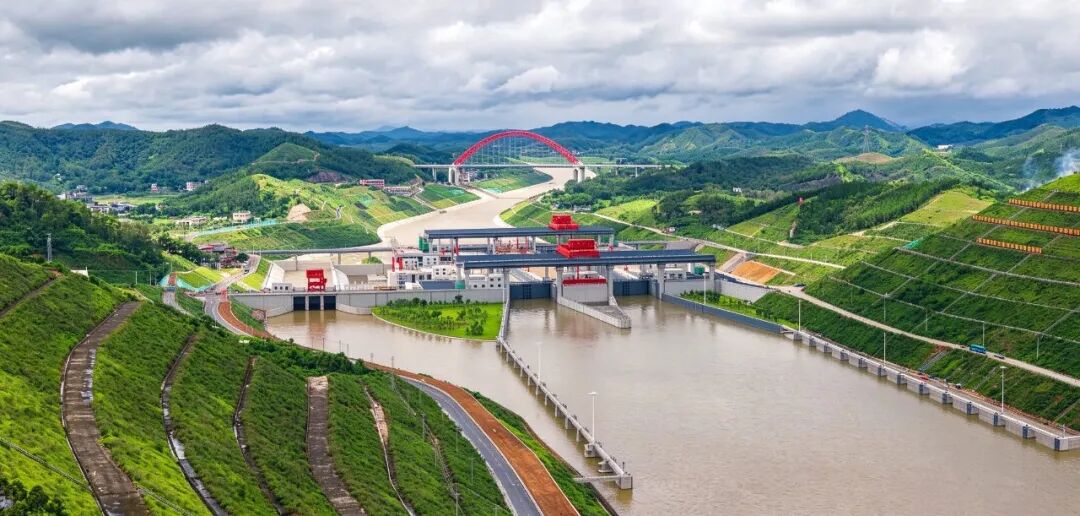
A view of the Pinglu Canal in southwest China’s Guangxi Zhuang autonomous region
A New Direct River-Sea Corridor
After four years of construction, the Pinglu Canal—with a total investment of approximately USD 10.8 billion and a total length of 134.2 kilometers—officially opened to navigation on September 16. This is the first canal built since the founding of the People’s Republic of China that connects rivers to the sea. Built to Class I inland waterway standards, the canal can accommodate 5,000-tonne vessels, making it the highest-grade river-sea connectivity canal in China. Cargo from Southwest China can be shipped to the sea via this route, and the inland waterway shortens the cargo’s journey by more than 560 kilometers compared with traditional routes. Thus, the canal will significantly reducing comprehensive logistics costs, saving up to hundreds of millions of US dollars in transportation expenses annually.
Viewed within the Belt and Road cooperation framework, the Pinglu Canal is a brand-new major waterway artery for Southwest China to access ASEAN. Before the canal was completed, most local goods in Guangxi had to be transshipped via Guangdong to reach the sea routes, involving longer distances and higher costs. After the canal came into operation, agricultural products from Guangxi and even Southwest China—including fruits and vegetables—can be shipped directly by water to ASEAN countries such as Cambodia without needing to transit through Guangdong. Local Guangxi officials explained that this new route is shorter and more direct. Connecting the inland city of Nanning with the Beibu Gulf and the ASEAN market, the canal completely transformed the cargo flow pattern in the region.
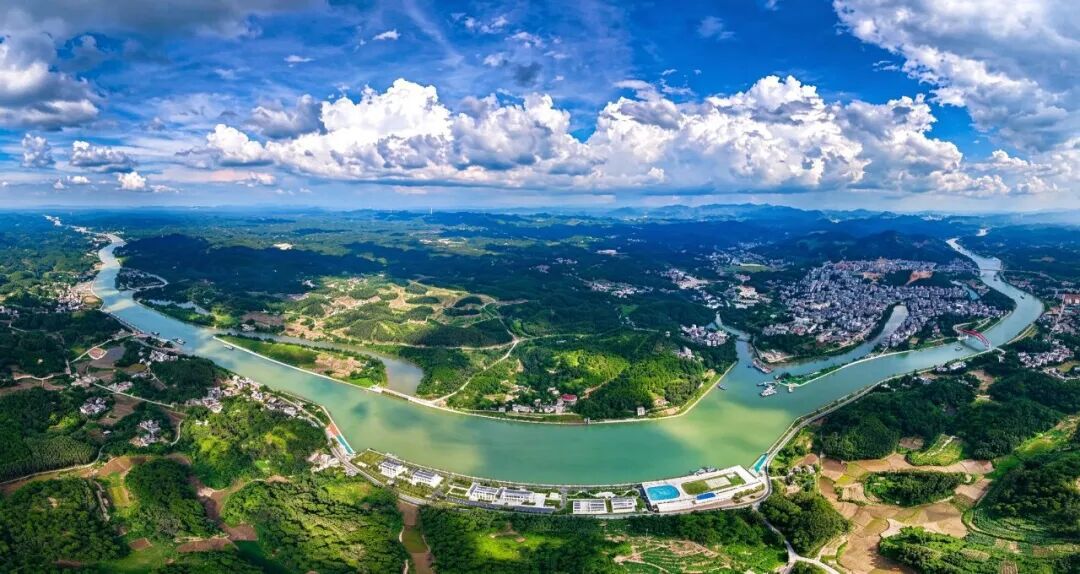
A view of the Pinglu Canal in southwest China’s Guangxi Zhuang autonomous region
An Integrative Corridor for Green Development
The Pinglu Canal is not just a shipping channel, and it integrates navigation, ecological protection, clean energy, agriculture, and tourism, making it a composite infrastructure project. During construction, the project team specifically built wildlife crossings to minimize the impact on plant and animal habitats along the route, upholding ecological bottom lines in advancing a large-scale project.
Wind turbines have also been installed along the canal banks. Generating electricity with wind turbines will enhance the stability of local power supply, providing clean energy for factories and agricultural facilities along the route. The stable power supply has driven the contiguous development of special plantations along the banks. Bananas, dragon fruit, citrus and more are grown in the plantations, forming a virtuous cycle in which water transport drives logistics, wind power guarantees production, and specialty agriculture increases incomes. The navigation channel also holds potential for sightseeing cruises, and canal tourism is expected to become a new economic driver for the region.
Traditional canals mostly handle cargo transport, whereas the Pinglu Canal leverages its waterway to drive the simultaneous development of multiple industries. As a major infrastructure project that delivers sustained benefits to people along the route, the canal serves as a green development model for other similar projects.
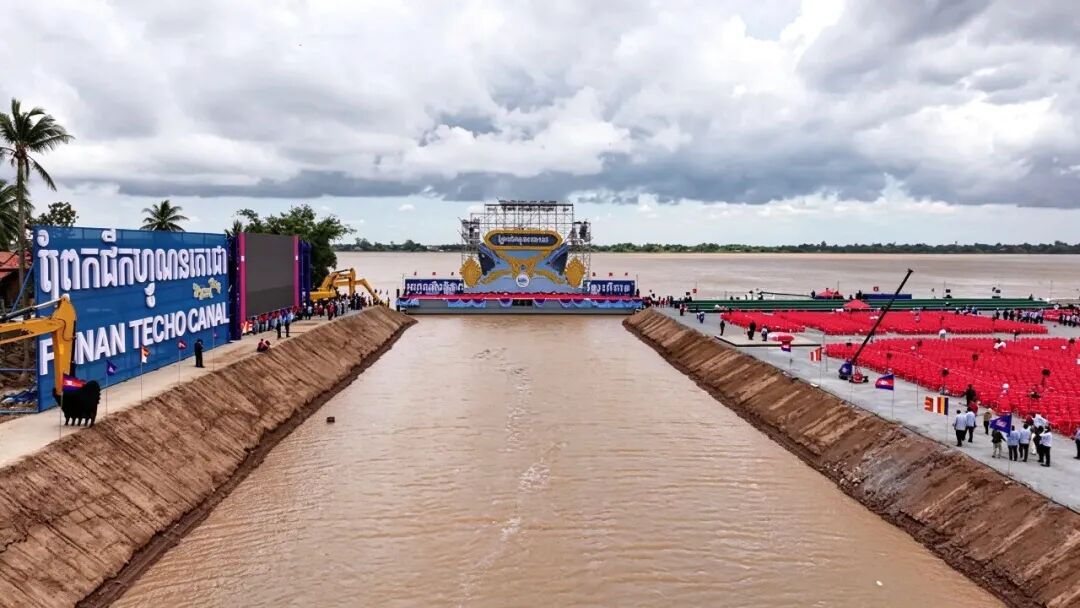
Funan Techo Canal is under construction in Cambodia
Pinglu Canal & Funan Techo Canal
Through this field visit, I truly felt the strong driving force of modern water transport projects on regional economy. The construction experience of the Pinglu Canal offers a strong reference for ASEAN countries planning large-scale water transport projects.
The Cambodian Funan Techo Integrated Water Resources Management Project started in late 2023, and the canal is expected to be completed in 2029, with an investment of USD 1.7 billion and a length of 190 kilometers. The canal passes through four provinces of Kampot, Kep, Takeo and Kandal, and it will connect with Phnom Penh. Once completed, the project will create a low-cost bulk cargo waterway, opening up Cambodia's inland water route to the sea.
The Pinglu Canal and the Funan Techo Canal differ in funding scale and construction conditions, but their goals are similar: to open inland access to the sea through man-made canals, reduce cross-border logistics costs, and serve regional trade. The constructors’ practices in overcoming geological and ecological challenges during construction the Pinglu Canal, as well as their explorations in waterway operation and industrial supporting facilities, can offer lessons for Cambodian builders.
As an important project serving Belt and Road connectivity, the Pinglu Canal proves that large-scale infrastructure can simultaneously deliver multiple values in cargo transport, ecology protection, energy saving, and cultural tourism. The Pinglu Canal in the north and the Funan Techo Canal in the south, will respectively improve the cargo flow in Southwest China's hinterland and Cambodia's interior, jointly expanding the connectivity network between China and ASEAN. The two canals also show that modern waterway infrastructure can effectively unleash regional economic and trade potential and support the common development in the countries.
As Cambodia's Funan Techo Canal advances steadily, the picture of Cambodia and China deepening economic and trade cooperation through water transport is becoming increasingly clear. The continuous improvement in water, land and air transport networks and the ongoing enhancement of connectivity will steadily unleash the economic vitality of China and ASEAN and drive regional countries to move forward toward a shared prosperity.
Writing by Soy Sopheap (President of the Cambodian DAP Media Center); Trans-editing by Wang Shixue, Shen Yan and Liu Ziyu
