


Nepal's PM faces multiple criticism after 4 months in office


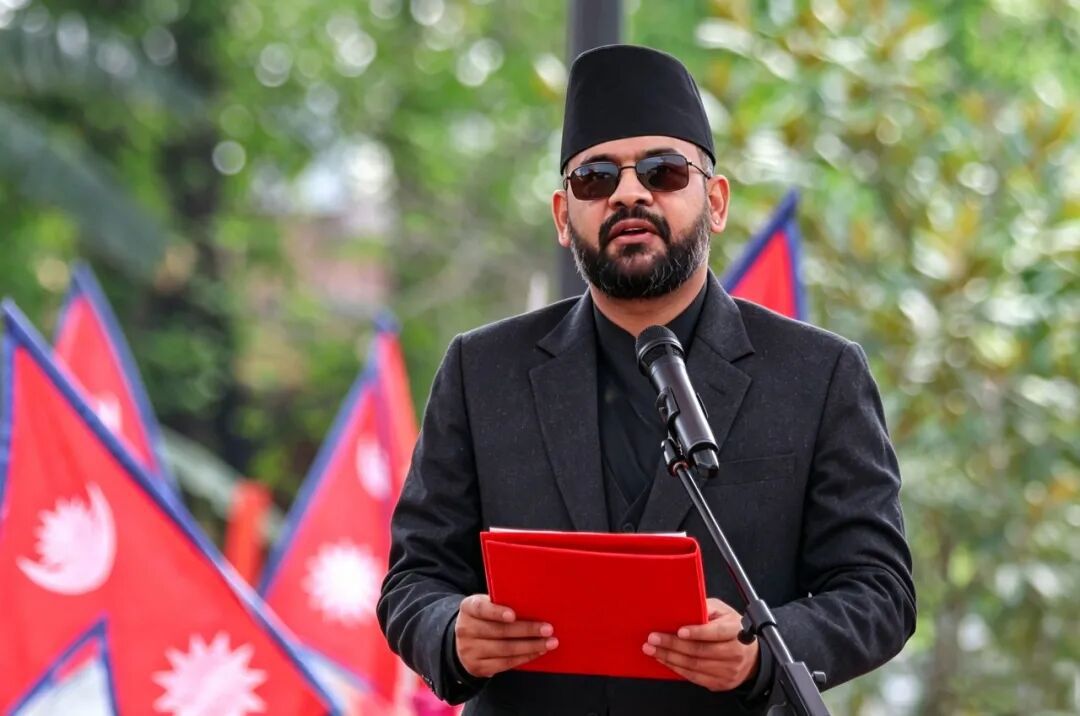
Balendra Shah
Balendra Shah was officially sworn in as Prime Minister of Nepal on March 27. Back then, most Nepalis saw his inauguration as a turning point that would break the entrenched political landscape and establish a transparent and efficient governance system. They pinned their hopes on this independent young leader to tackle long-standing administrative ills and put the needs of ordinary people above partisan infighting.
Just four months into his tenure, however, the public's once-lofty expectations have collided with the harsh realities of governing a complex nation. By now, the government led by Shah has faced widespread media criticism, multiple political controversies, unfavorable judicial rulings, and a series of administrative governance failures.
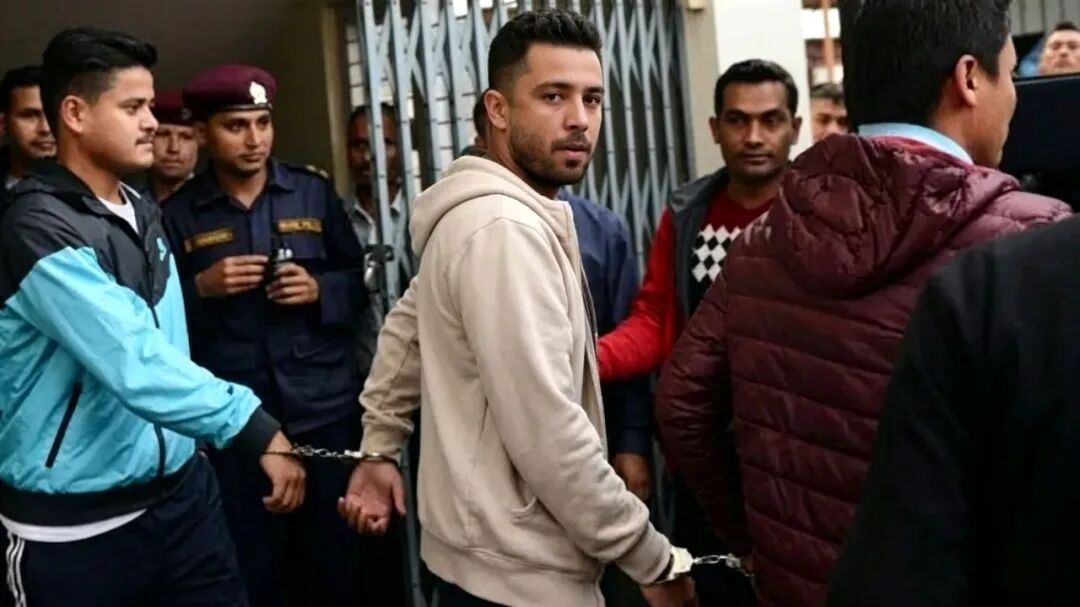
An arresting by the Nepalese police
Arresting former PM, raiding media outlet
The benchmark for judging a government's governance maturity is its adherence to due process and respect for the fundamental freedoms enshrined in the constitution. Looking back at the Shah government's early actions, we see some administrative moves were hasty and crude, largely reactive in nature.
At the start of Shah’s term, police arrested the former prime minister, former home minister, and former finance minister. Officials framed this high-profile action as a major step toward anti-corruption enforcement and accountability. But judicial reviews later found that investigators could not produce solid evidence or a complete legal basis, forcing the government to release the three former officials unconditionally. This hasty arrest not only failed to project an image of judicial integrity but also exposed the executive branch's weak procedural awareness. Many critics accused the authorities of using law enforcement for political grandstanding rather than conducting proper judicial investigations in accordance with regulations.
Before the political arrest saga had even settled, police raided the offices of the Jana Astha National Weekly in the early hours of August 13, arresting editor-in-chief Kishor Shrestha. The move was widely seen as a disregard for press freedom rights explicitly guaranteed by Nepal's constitution. In the aftermath, Nepal's National Federation of Journalists, human rights organizations, and civil society groups issued joint protests, while journalist associations staged sit-ins to resist executive interference in media operations.
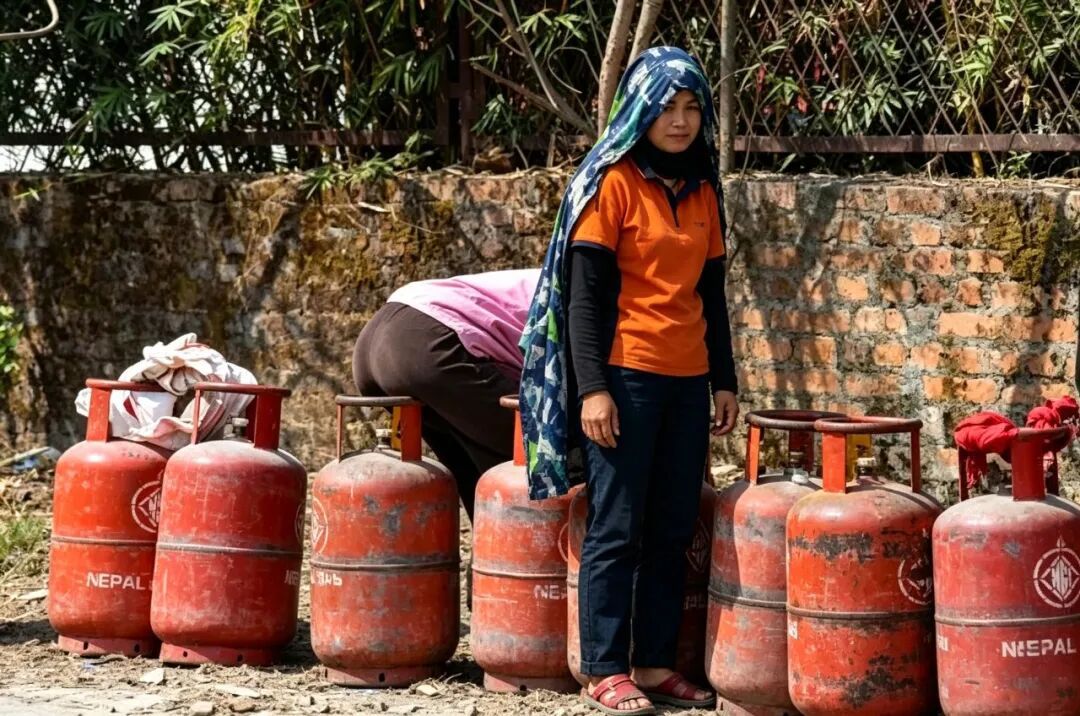
A queue for gas cylinders to be half-filled
Longer queues for half-filled gas cylinders
While gas and fuel shortages are long-standing problems in Nepal, this government's mishandling of energy supply issues has exacerbated the public's daily struggles. Outside gas distribution stations across the Kathmandu Valley, large numbers of people queued through the night to buy cooking fuel—men, women, children, and even the elderly carrying empty cylinders from midnight onward, forming long lines along the streets.
To ease supply gaps and shorten wait time, the government introduced the country's first "half-cylinder" gas policy. In theory, splitting gas supplies would cover more households, but in practice it backfired. With cylinder volumes halved, household gas cycles shortened, purchase frequency doubled, and people spent far more time and money commuting to stations. The gas distributors' transport and operating costs also rose, and all extra expenses were ultimately passed on to ordinary consumers.
As the livelihood crisis deepened, the authorities failed to provide clear explanations or effective solutions. Nepal Oil Corporation claimed that fuel reserves were adequate, yet shortages at the retail end showed no sign of easing. The state-owned oil company and the private gas association kept shifting blame onto each other for supply chain breakdowns, while also accusing the public of panic-hoarding that worsened the supply-demand imbalance. With regular market oversight absent, black-market trading flourished—cylinders priced at 2,000 rupees officially were being sold for up to 7,000 rupees on the black market. Red empty cylinders piled up on streets, sparking widespread mockery and criticism on social media. One popular quip had it that "the queue is longer than the Great Wall—you can see it clearly from space."
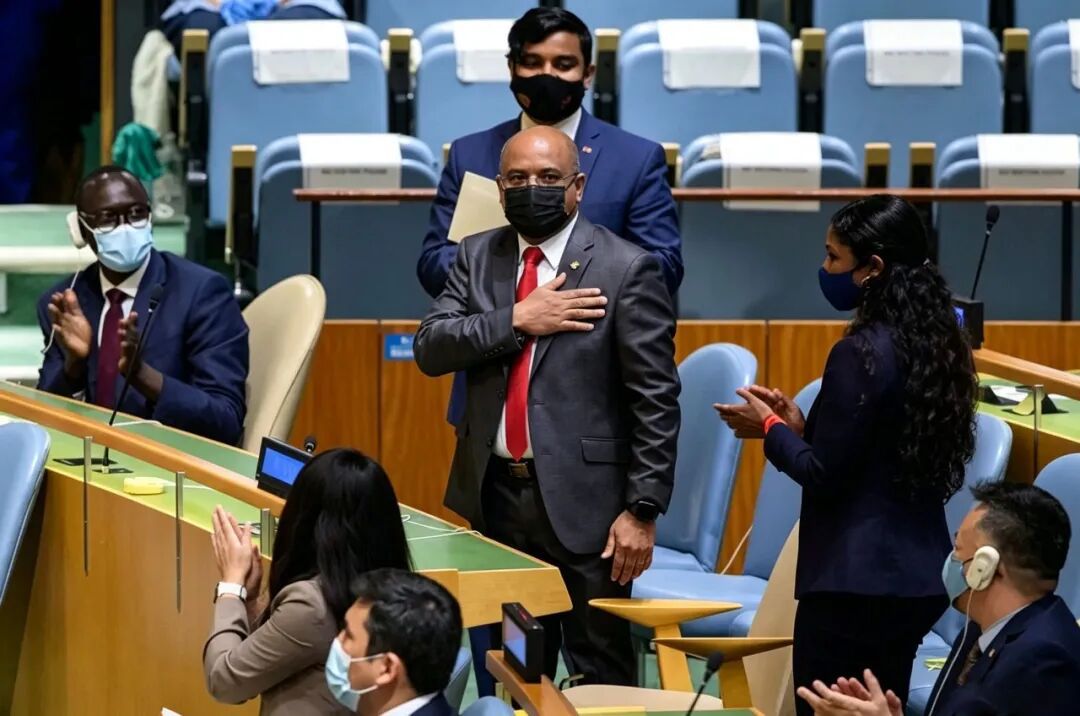
A Nepalese parliamentary meeting without Shah's presence
Attending only 5 out of 43 parliamentary sessions
Parliament is the core pillar of Nepal's parliamentary democracy. A prime minister elected through parliament has an obligation to regularly attend parliamentary sessions and respond to lawmakers' questions. During his four months in office, the House of Representatives held 43 formal sessions— Shah attended only 5, and took the floor to present his governance approach just once. On pressing issues like fuel shortages, tax disputes, and regional security, he mostly chose to skip legislative meetings to avoid questioning.
As the ruling party's parliamentary leader, Shah has the statutory duty to coordinate and unify his party's lawmakers—yet he has never convened a single formal party caucus nor participated in informal meetings among his fellow party MPs. The prolonged vacuum in leadership communication has deepened internal disagreements among ruling-party lawmakers and significantly dampened their legislative engagement. At one regular parliamentary sitting, the ruling Independent National Party, which holds 182 seats, could not even muster the minimum quorum of 69 members—prompting cross-party questions about this government's commitment to constitutional democracy.
Compared with formal parliamentary channels, Shah is more accustomed to posting lengthy late-night Facebook updates to articulate his policy positions. At a previous parliamentary session, he made remarks on a sensitive border issue that diplomatic circles widely considered ill-prepared and inconsistent with standard diplomatic practice. After facing backlash from opposition parties and foreign policy experts, he further reduced his parliamentary attendance.
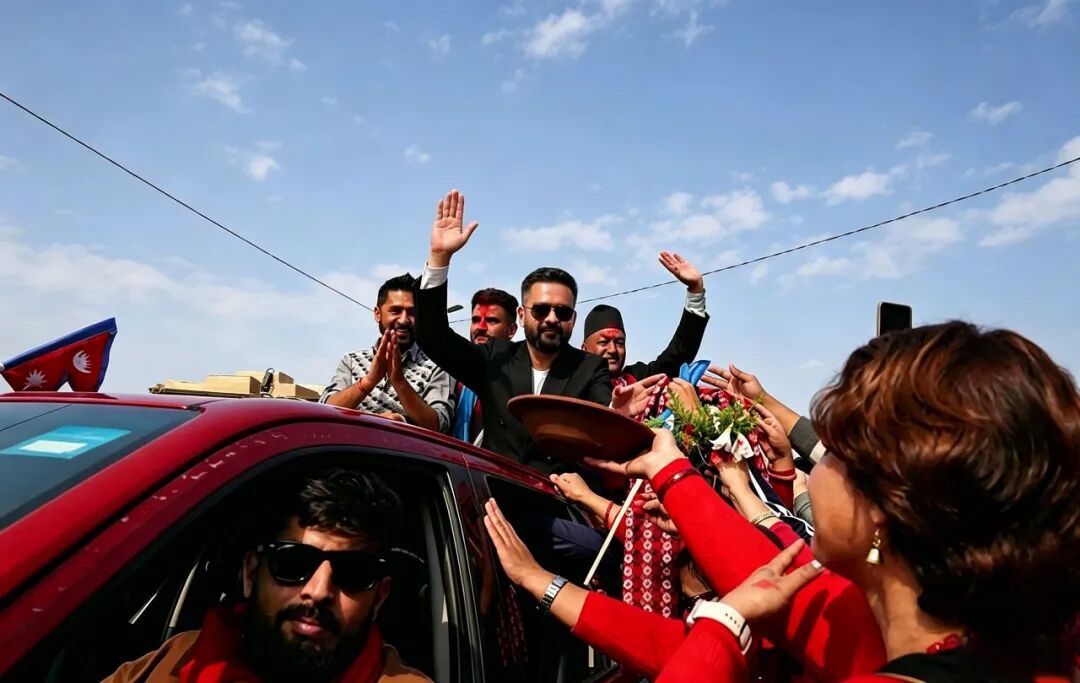
Balendra Shah at an election campaign
Mayoral experience can’t sustain four months as PM
Shah's electoral success hinged largely on his uncompromising and sharp criticism of established establishment politicians' corruption. As mayor, his social-media denunciations of political ills resonated deeply with countless young voters hungry for change, and his image as a challenger to the old system became his core campaign identity.
After assuming national executive power, however, the tone of his public remarks shifted noticeably. When citizens and the media raised questions over long queues for gas, electricity price hikes, policy reversals, parliamentary absences, and forced evictions, the Shah who once fiercely attacked old-guard politicians for inaction began urging the public to be patient and wait.
Facing mounting criticism from all sides, Shah posted on Facebook on August 7: "Governance takes time—the time will come. The process may be slow, but the direction is not wrong. The public need not be anxious; appearances sometimes diverge from reality. Some roads can only be walked alone—this is not the first time." This public statement sparked widespread speculation and debate within his own ruling party.
Shah's four-month governance experiment offers a clear lesson for modern statecraft: social-media buzz, anti-establishment slogans, and populist momentum can help win elections, but they can never replace systematic administration, coherent and consistent policies, and mature statecraft.
The transition from managing a single city to coordinating national development requires a leader to move from a personal, individualistic style toward institutionalized collaborative governance. Personal rhetorical appeal alone cannot cope with the intertwined economic, social, and constitutional challenges that run deep within the country.
(The author Shreedhar Neupane is the Editor-in-Chief of Parewa News in Nepal.)
