


The answer to APEC cooperation may hide in a potato


From November 18 to 19, the 33rd APEC Economic Leaders' Meeting was held in Shenzhen, south China’s Guangdong province. There, leaders of the Pacific-rim economies discussed around the theme of "Building an Asia-Pacific Community to Promote Common Prosperity."
At present, unilateralism and protectionism are on the rise, economic and trade issues are being politicized, and the Asia-Pacific region faces major changes with increasing uncertainties. In the face of an uncertain world, a recurring question is challenging the Asia-Pacific region: Should we keep the door open, or build up walls and fences?
Interestingly, this question was already answered by a potato centuries ago.
Why is it a potato? This is not rhetoric or a made-up story. The potato is one of the earliest crops to complete globalization.
The potato was once regarded by Europeans as the Devil's Apple, banned by legislation in France, and banished from the British royal table to the garden. Yet, it later became a staple food that fed more than half of the world. The journey of the potato reveals a truth: The fear of the unknown is real, but once fear becomes a reason for isolation, what we may miss is all the opportunities.
Why do the APEC economies need to sit together and promote openness? Let's first take a look at how the potato traveled around the world. The journey of the potato predates any trade agreement, and it answer the question more clearly than any tariff dispute. The potato tour shows what we will lose from our dining tables once the flow of goods, flavors and people comes to a halt.
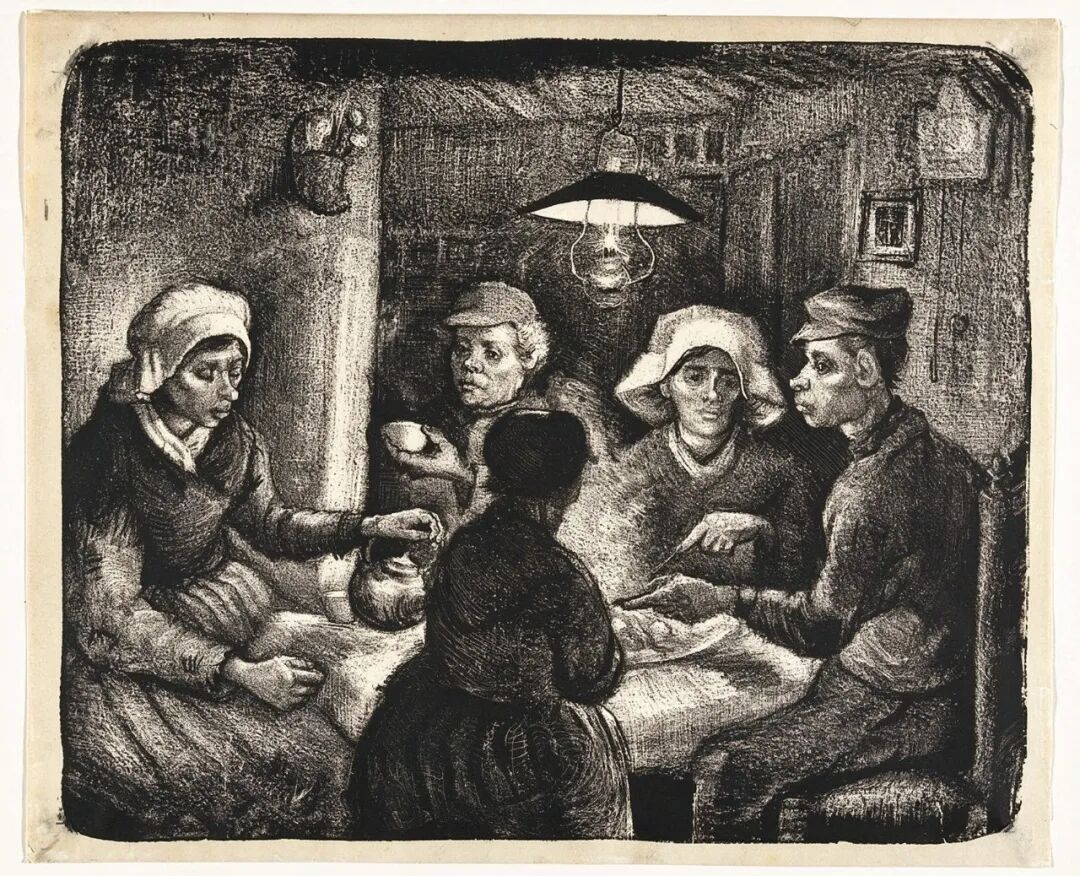
The First Ones to Eat Potatoes
Today, the potato is just an ordinary vegetable in our eyes. But centuries ago, it was a "monster" that terrified Europeans.
The potato originated in the Andes Mountains of southern Peru, where the local Incas revered the potato almost as a deity and cultivated it on plateaus above 3,000 meters for thousands of years. In the 16th century, the potato was shipped to Europe by Spanish colonists.
Looking at this hard tuber that grew underground and turned black when cut open, Italians did not first ask, "Is it tasty?" Rather, they wondered if this tuber poisonous. Some claimed it was the Devil's Apple because it did not appear in the Bible at all; others said eating it would cause leprosy. France even enacted laws to ban the cultivation of potatoes.
The most serious misunderstanding occurred in the British royal family: Someone presented potatoes to the Queen, but the cook, not knowing how to prepare them, boiled the toxic stems and leaves and served them. The royal family members fell ill after eating them. From then on, the potato was banished from the dining table to the garden, and it became an ornamental plant.
In reality, the potato itself did not change; what changed was people's reaction to the unknown.
It took Europeans nearly two centuries to realize that the potato was not evil. The sprouted tubers are indeed toxic, but when cooked, they are a filling food. To encourage farmers in France to grow potatoes, French agronomist Antoine-Augustin Parmentier came up with an idea: He stationed royal guards around a potato field during the day and withdrew them at night. Seeing that something is grown in a "royal field", local farmers sneaked in and stole the potatoes. That is how the potato spread in France.
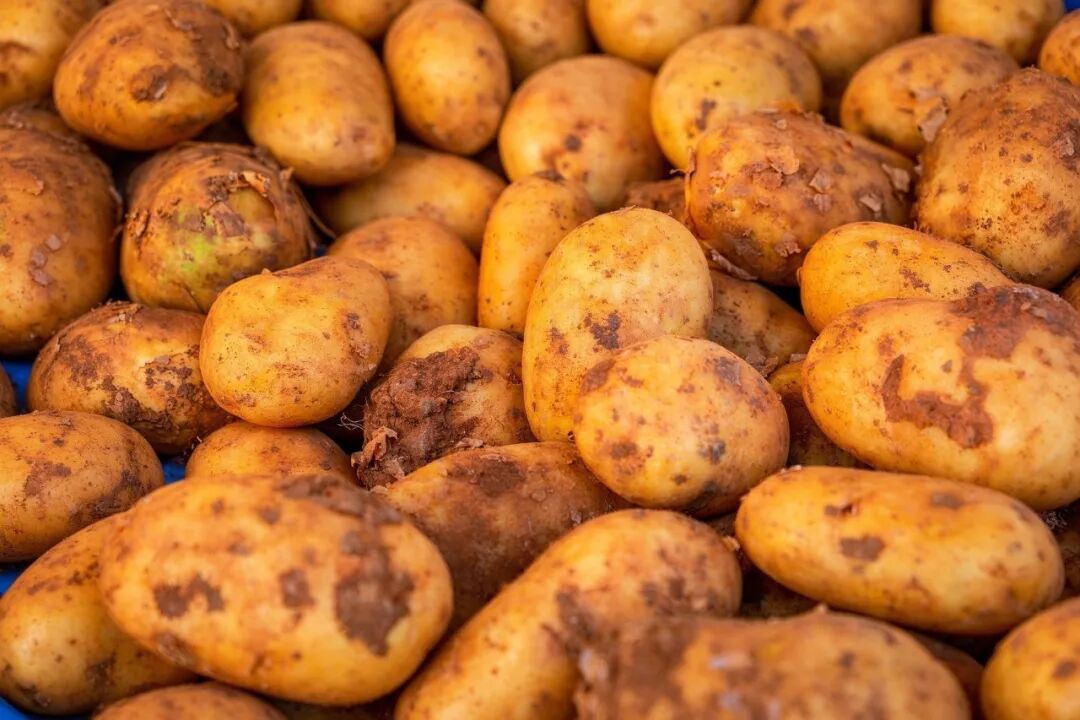
A Dining Table Cannot Do without Potatoes
Europeans eventually accepted the potato, but its journey did not stop there.
The potato boarded the ships of the Age of Discovery and embarked on a centuries-long global voyage. From the West Indies to North America, then to Europe, Africa, South Asia, and Southeast Asia, it traveled with sailing ships and sailors to almost every corner of the world.
The potato's arrival in China is particularly noteworthy. Scholars generally believe that the potato was introduced to China in the mid-to-late Ming Dynasty, mainly via sea routes. Some scholars argue that the potato came to China through the famous "Pacific Silk Road" of the Age of Discovery.
In the late 16th century, Spanish galleons sailed from the Americas to Manila in the Philippines, where Chinese merchants traded silk, porcelain and tea for silver from the Americas. Crops such as potatoes, sweet potatoes, corn, peanuts and pumpkins hitched a ride across the Pacific, entering southeast China's Fujian province via the Philippines.
Another possible route for the potato to enter China was through the Silk Road or the Chinese southwestern border, where potatoes entered Yunnan and Guizhou from India and Myanmar. One of the early records of potatoes frequently cited by scholars is from the 1700 edition of the Songxi County Annals in Fujian: "The potato, a vegetable that grows on roots, needs to be dug up. It differs in sizes, but roughly the side of a horse bell. Black and round, the potato is sweet or slightly bitter."
The rest of the story is familiar to us. Together with corn, cassava, and other crops, the potato became a global staple food that is essential in the dishes of potato salad, fish and chips, curry potatoes, hot-sour shredded potatoes, and others. In the kitchens of different countries, the potato has its unique charm. According to the UN Food and Agriculture Organization, the annual potato production in 2024 is nearly 390 million tons worldwide, with China ranking first at 94.8 million tons.
Without the potato that crossed oceans, the diversity of today’s dining table today would be greatly diminished.
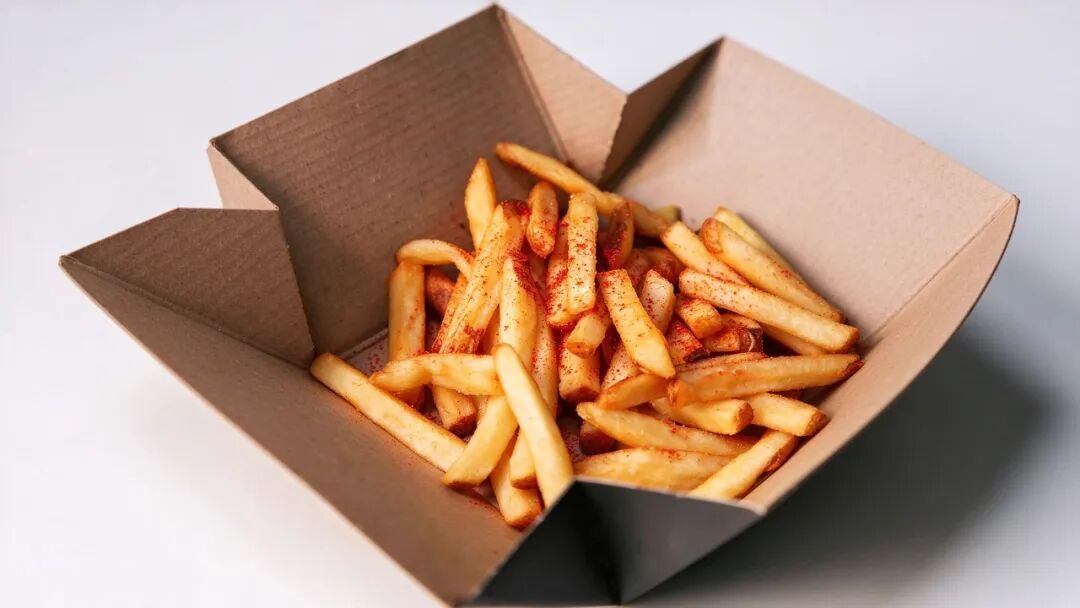
How to Make the "Potato" Taste Better
The potato's journey through different cultures changed not only dining tables. It connected different countries and changed the way one country views another.
The Spanish phrase "Un cuento chino" literally means "a Chinese story," but it actually means "something impossible to happen." In South America where the potato originated, China has long been regarded as a distant "other."
As trans-Pacific exchanges have become increasingly close, however, this distance has gained another interpretation. At the 2016 APEC CEO Summit in Peru, President Xi Jinping mentioned the English phrase "from China to Peru," which means "a tour around the world."
From "something impossible to happen" to "a tour around the world", what has changed is not the geographical distance, but the way the two sides of the Pacific view each other.
The Asia-Pacific region is home to the world's most densely populated economies, the fastest-growing markets, and the most dynamic innovation forces. But different in systems, cultures and languages, countries in the region may find it hard to sustains cooperation. The answer may not lie in "making everyone the same," but in understanding that "we are different in the beginning."
The potato is black in the Andes but white in Ireland. In India, the potato is put into curry; in China, it is stewed in the dish "Di San Xian" (sautéed potato, eggplant, and green pepper). The same potato can become its unique self in different cultural soils, which is precisely why it has not disappeared.
The potato did not lose itself by crossing the oceans. Instead, it grew more possibilities in different soils. The vast Pacific Ocean has never been a water wall separating East and West, but a water way connecting us.
Openness brings progress, and cooperation creates prosperity. This statement holds true, whether for the global journey of a potato or for the world today.
Writing by Wang Jingzhong and Han Chengyuan (Yunnan Daily); Trans-editing by Wang Shixue
