


Event held for Mount Jingmai to mark 3rd anni. as World Heritage


An event themed on the World Heritage Site of Jingmai Mountain officially kicked off on September 17 in Pu’er City, China’s Yunnan Province, marking the third anniversary of the inscription of the Cultural Landscape of Old Tea Forests of Jingmai Mountain on the UNESCO World Heritage List.

The event for Mount Jingmai to mark 3rd anni. as World Heritage
Under the guidance of the Network Communication Bureau of the Cyberspace Administration of China, the event is jointly organized by the Cyberspace Administration of the CPC Yunnan Provincial Committee and cyberspace authorities from 10 provincial-level regions across China. It aims to showcase Jingmai Mountain’s time-honored tea civilization and ecological wisdom to global audiences, and to present China’s practices in World Heritage protection, cultural inheritance and integrated cultural-tourism development.
As the world’s first UNESCO World Heritage Site dedicated to tea culture, Jingmai Mountain is home to the world’s oldest, largest and best-preserved ancient cultivated tea forests. For thousands of years, local Bulang and Dai ethnic groups have maintained a unique living heritage model in which forests, tea plants, villages and people coexist, creating a precious ecological and cultural landscape that blends nature and humanity.
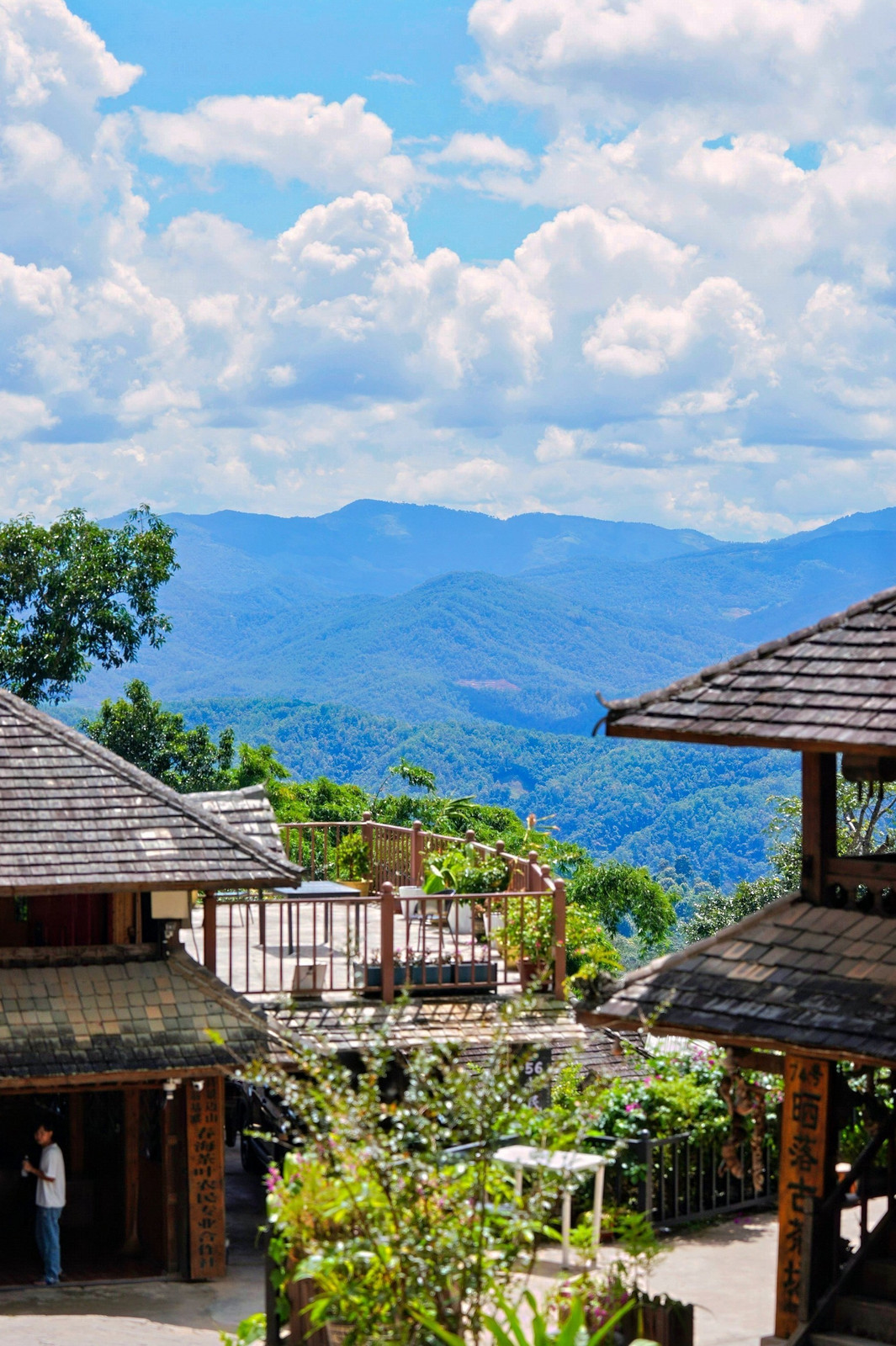
A view of the World Heritage Site of Jingmai Mountain
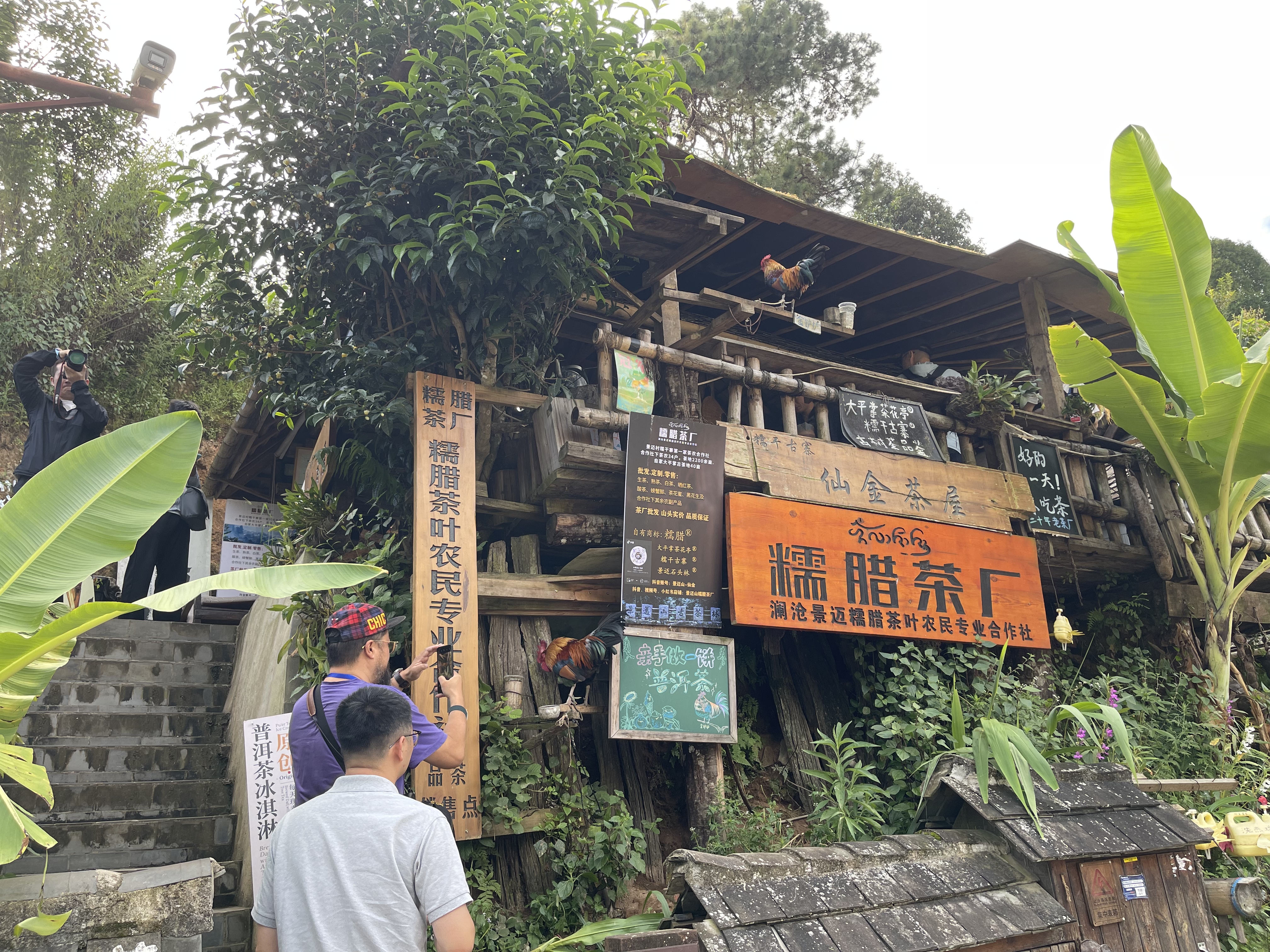
A traditional tea-making plant on Jingmai Mountain
Over the past three years since receiving World Heritage status, Jingmai Mountain has prioritized ecological and heritage protection while exploring sustainable industrial innovation. Moving away from a single traditional business model based on raw tea sales, the ancient tea mountain has developed diverse new businesses, including boutique homestays, ethnic cultural and creative industries, experiential tea tourism and hot-spring wellness. Most local homestays have been renovated from traditional stilt-style dwellings, allowing villagers to benefit directly from heritage development.
The booming cultural tourism industry has brought remarkable economic and social changes. Tea farmers’ per capita annual income rose from 15,410 yuan before inscription to 26,239.4 yuan, an increase of 70.28 percent. By mid-2026, the area had 308 hotels and homestays with over 2,200 rooms, about 90 percent converted by villagers from their traditional stilt houses. In 2025, the scenic area received 694,300 visits, up 56.27 percent year on year, ranking first among Pu’er’s 4A-level scenic areas. More importantly, the revitalized hometown has reversed the outflow of young people. A growing number of returning local youth and outside entrepreneurs have taken root here, bringing new digital thinking and creative business models to ancient tea culture.
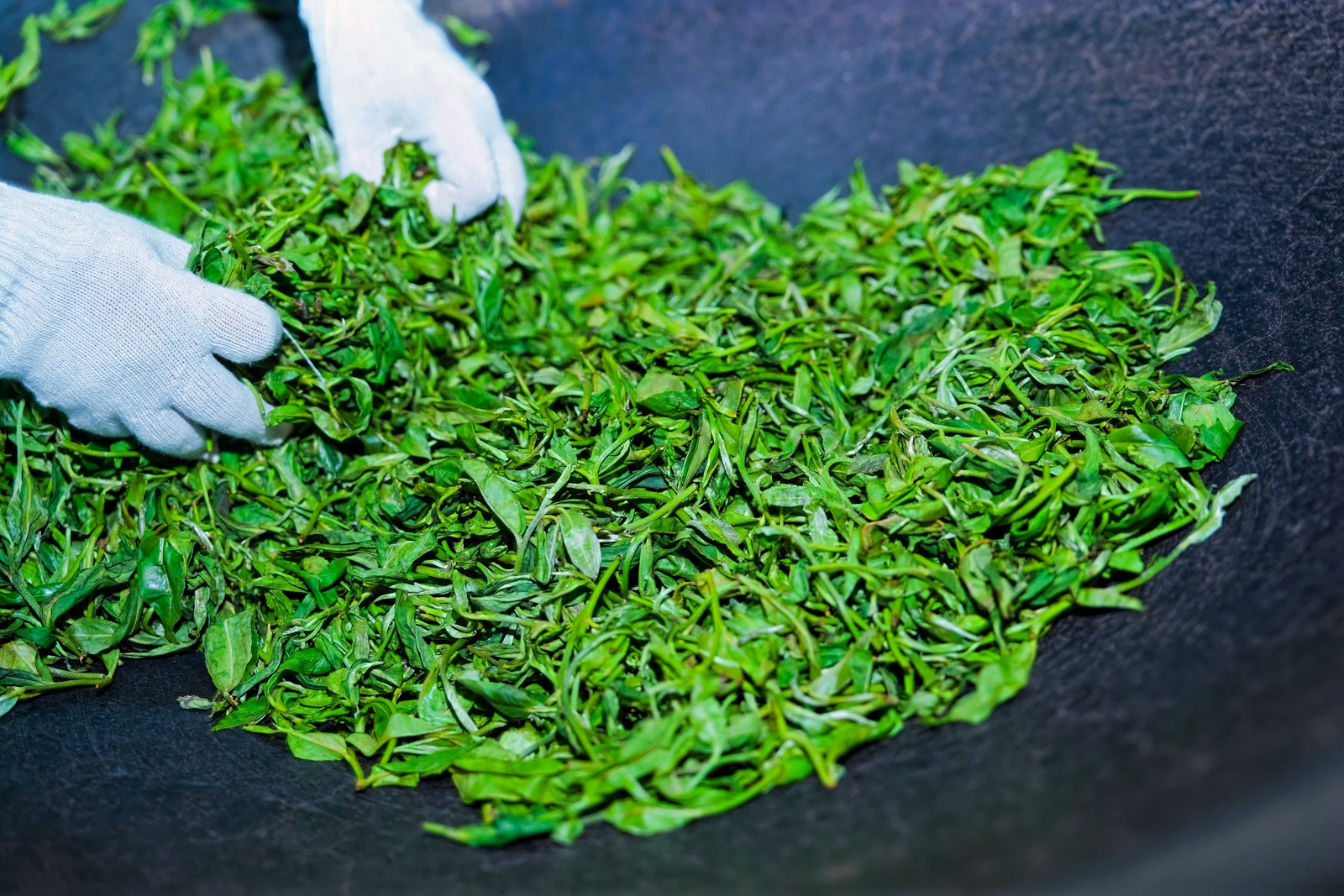
Traditional tea-making on Jingmai Mountain
Through livestreaming, immersive tea-making experiences and original ethnic cultural products, a new generation of practitioners has helped Jingmai’s thousand-year tea culture reach beyond the mountains. Local residents have transformed from traditional tea farmers into cultural inheritors, tourism service providers and brand promoters, achieving a shift from reliance on traditional industries to innovative and diversified development.
At the launch event, several landmark cultural releases and supporting activities were announced. China’s first set of special stamps featuring Pu’er’s local heritage—World Cultural Heritage: Cultural Landscape of Old Tea Forests of Jingmai Mountain in Pu’er, consisting of three stamps—was officially released. Upcoming activities will include themed forums, cultural performances, field excursions along ancient tea-horse roads and online communication salons. These events will further explore Jingmai Mountain’s cultural richness and share the charm of Chinese tea culture with the world.
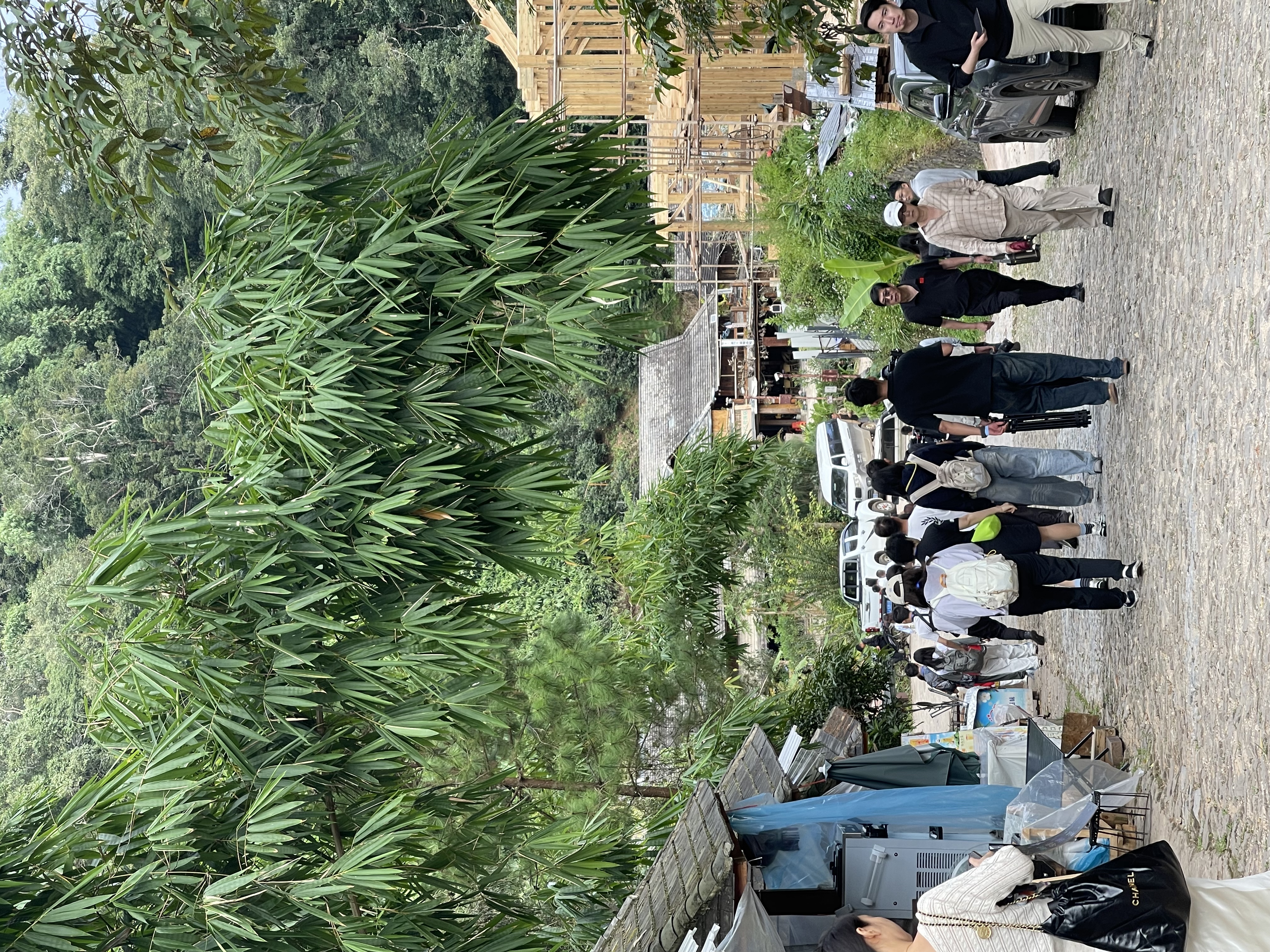
The Jingmai Mountain is visited by global tourists.
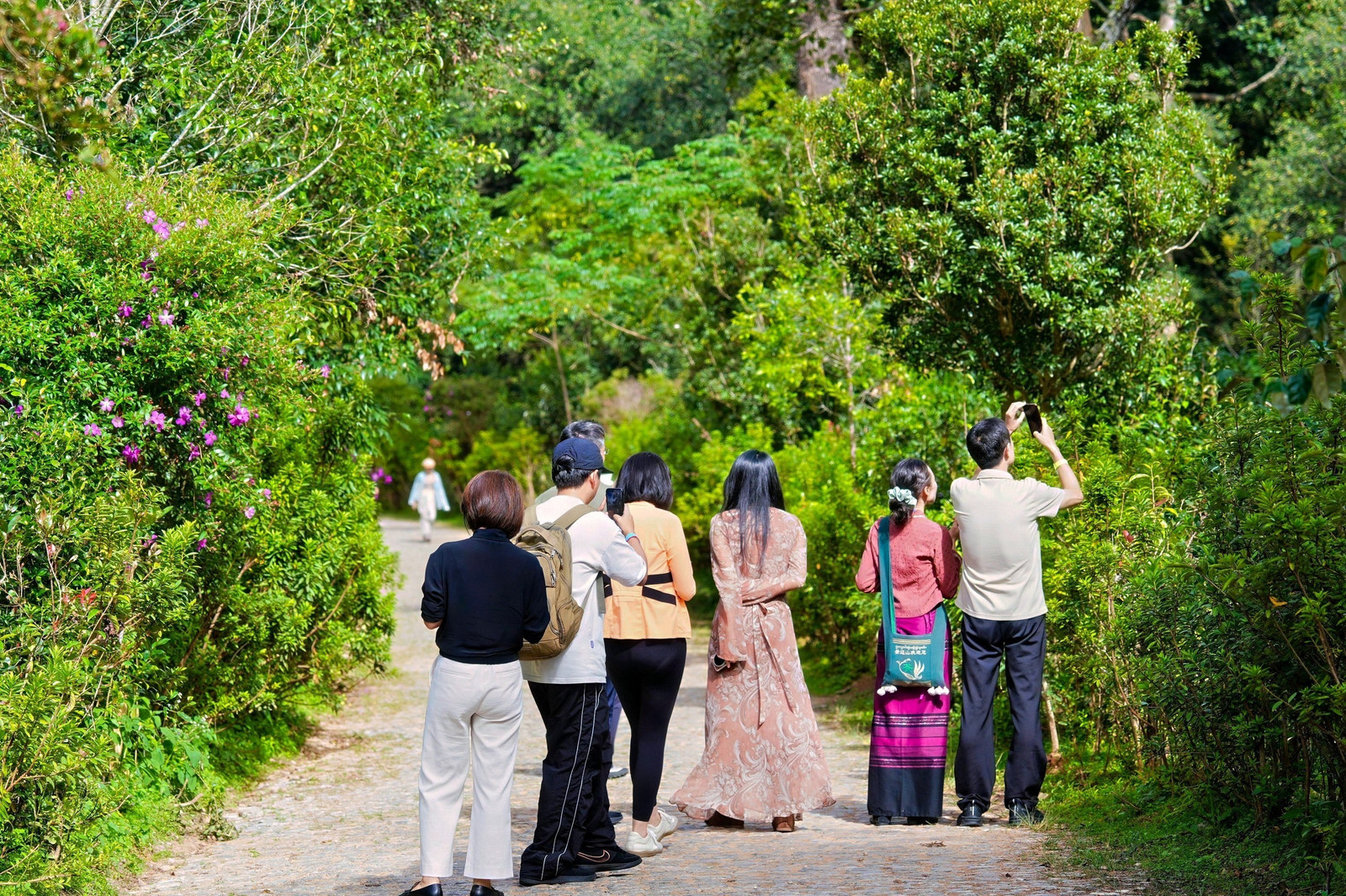
The Jingmai Mountain is visited by global tourists.
As a living and evolving World Heritage Site, Jingmai Mountain has developed a replicable path that coordinates protection, inheritance and people-centered development. Moving forward, the ancient tea mountain will continue to revitalize its millennia-old tea culture through cultural-tourism integration and youth innovation, telling vivid and diverse stories of modern China to the world.
Reporting by Zhang Min
