


Forum: Barriers, pathways on China-Myanmar Economic Corridor


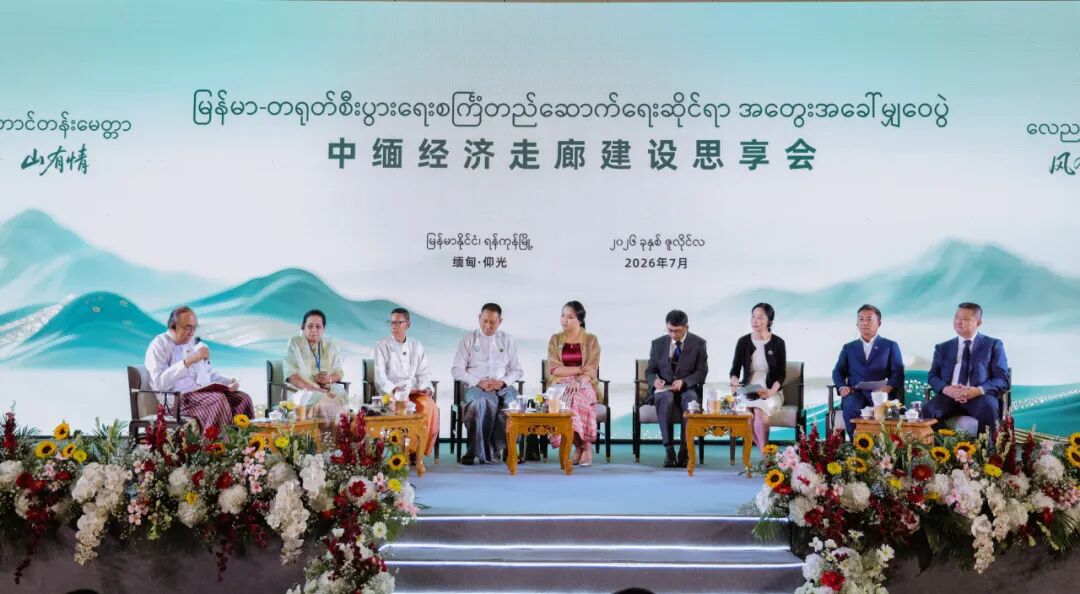
The forum on CMEC development
Since its inception in 2017, the China-Myanmar Economic Corridor (CMEC) has seen steady progress in infrastructure projects, cross-border trade, and energy cooperation. However, it has also faced persistent challenges, including political fluctuations in Myanmar and the spread of the "debt trap" narrative.
In June this year, during Myanmar's President Min Aung Hlaing's visit to China, the two sides issued a Joint Statement on Accelerating the Building of a China-Myanmar Community with a Shared Future, which explicitly stated that "both sides agree to advance the China-Myanmar Economic Corridor and promote major corridor projects such as the Kyaukphyu Deep-Sea Port and the Muse-Mandalay Railway."
On July 28, a forum on CMEC development was held in Yangon. Four experts and media representatives from both countries engaged in candid discussions, addressing the barriers hindering progress and exploring pathways to facilitate smoother connectivity.
What are the barriers?
Hla Hla Yee: Myanmar durians can’t reach China by train
The China-Myanmar Economic Corridor is of great significance, and all parties have made tremendous efforts to advance it, said Daw Hla Hla Yee, Executive Member of the Union of Myanmar Federation of Chambers of Commerce and Industry (UMFCCI).

Daw Hla Hla Yee
“Throughout this process, I have come to deeply appreciate the special responsibility borne by the media. For instance, how can we exchange information in a timely manner? How can we coordinate with government agencies?” asked Hla Hla Yee.
The media plays a vital role. Both countries' media should engage in joint reporting, and the exchange of news and information between Myanmar and China is critically important. Only through enhanced information sharing can our peoples understand each other and forge stronger ties.
“At the same time, we need to strengthen physical connectivity. I would particularly like to mention durians – we hope to export Myanmar durians to China. Neighboring countries like Laos have already achieved durian exports via the China-Laos Railway, but Myanmar still lacks similar access.
“In addition to railways and highways, we are also exploring other routes, such as the Mandalay logistics corridor or waterways, through which Myanmar's agricultural products can smoothly enter the Chinese market.
“We have high expectations for the Mandalay-Yunnan logistics artery, hoping it will serve as a vital channel for cargo flow,” noted Hla Hla Yee.
Khin Maung Htwe: Negative perceptions are deeply ingrained
Khin Maung Htwe, Representative of Myanmar's News and Magazine Industry, believes that media assistance is needed to clear up public misunderstandings over the China-Myanmar Economic Corridor. His points at the forum are as follows.
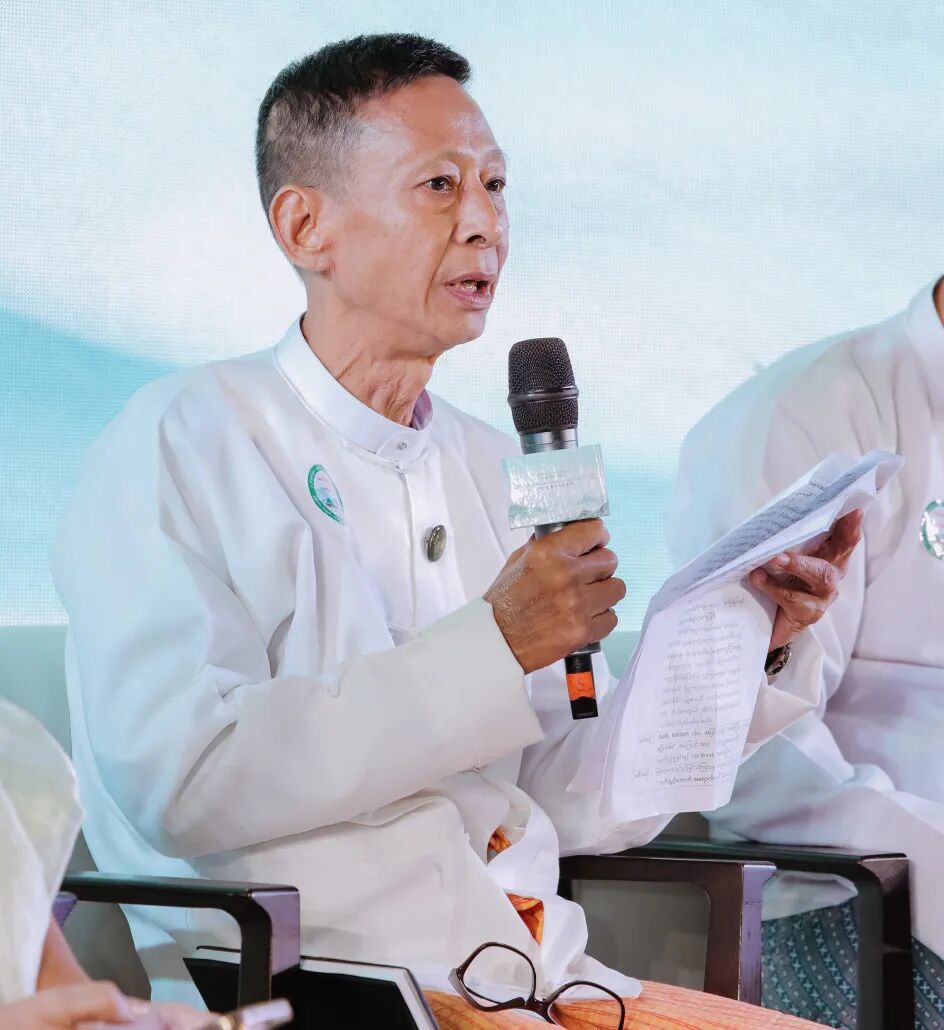
Khin Maung Htwe
Myanmar's people have not yet fully experienced the benefits of Chinese cooperative projects. Many lack sufficient understanding of the outcomes of China's initiatives, and some even mistakenly believe that China's corridor construction is causing harm in Southeast Asia.
Such negative perceptions have become deeply ingrained among certain segments of the public. Therefore, we urgently need all communication channels – including official media and social-media – to more precisely cover and report factual news about China-related cooperation, in order to reverse these misconceptions.
I sincerely hope that through both official media institutions and various self-media outlets in Myanmar and China, we can present these achievements to our people more truthfully, accurately, and swiftly, and shield them from the interference of disinformation. Only when the public sees more authentic reporting will they develop a more tangible sense of these benefits.
The "heart-to-heart" dialogue between the peoples of Myanmar and China can be realized through literature, music, film, television, media, and other channels. Just like the poem "To My Myanmar Friends" written by Marshal Chen Yi, which has transcended time and remains celebrated to this day – it is a vivid reflection of our bilateral friendship. We should continue to strengthen interaction across culture, film and television, technology, and media.
How to achieve connectivity
Lei Zhuning: CMEC should begin with the Mandalay-Yangon sectionon
Lei Zhuning, Director and Associate Researcher at the Myanmar Research Institute under Yunnan Academy of Social Sciences, thinks that the building of the Mandalay-Yangon section of the CMEC should goes first, and then the corridor can be extended to the border areas. The following is his point in detail.
As an old Chinese saying goes, "We wish all neighbors well, and a close neighbor is better than a distant relative." Yunnan has over 4,000 kilometers of border, roughly half of which is shared with Myanmar. If Myanmar develops well, it will surely promote mutual growth and shared development with Yunnan.
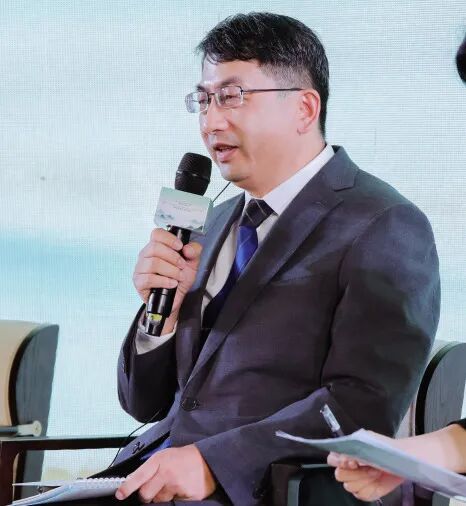
Lei Zhuning
For CMEC construction, I believe we should prioritize the Mandalay-Yangon segment. This area has favorable economic conditions and abundant natural resources. By building up infrastructure in this core region first and then extending north and south toward the border areas, we can connect Myanmar with China, Bangladesh, India and Thailand one by one. Such a phased approach aligns with Myanmar's actual circumstances.
In early July, I spoke with some Bangladeshi scholars, who expressed a very positive attitude toward the China-Myanmar-Bangladesh Economic Corridor. By first completing the China-Myanmar Economic Corridor and then extending it to Bangladesh, we can drive regional growth via economic development. With the dividends of peace, more resources will become available to address other issues.
Regarding the China-Myanmar railway, the Dali-Ruili section is currently under accelerated construction and is expected to be completed by 2028. We hope to cooperate with Myanmar to jointly advance railway, highway, and other infrastructure projects.
The success of the economic corridor depends on whether the public can benefit from it. China has a huge market, and Myanmar's rice, beans, corn, watermelons, bananas, and Seintalone mangoes are very popular there. Exports of cash crops can significantly improve people's livelihoods, and improving transportation conditions is also crucial to exports.
Since the China-Laos Railway opened, Thai durian exports to China have surged. I understand that Myanmar durians, though small in size, are delicious and will certainly have a huge market in China. The two countries can cooperate in training agricultural talent, aligning inspection and quarantine standards, improving storage and logistics, and developing processed products to add value to agricultural produce.
The application of innovative technologies is also indispensable in China-Myanmar cooperation, especially in the energy sector. China has made notable progress in its green transition. Yunnan, as an important green energy base in China, has rich experience in hydropower, wind power, and solar energy, and has already begun supplying electricity to Vietnam and Laos while building cross-border power grids. There is vast potential for China-Myanmar cooperation in green energy, cross-border power grids, and oil and gas refining.
Peace and stability are fundamental conditions for economic development. Myanmar's new government has already achieved progress in its peace process, and we look forward to Myanmar promoting development through peace and consolidating peace through development.
I have visited Myanmar nearly 20 times, and this is my second trip this year. Through years of interacting with Myanmar people, I have felt their sincerity. Online, it may seem that there are many issues between China and Myanmar, but when Chinese people meet Myanmar people face to face, you’ll realize how close the two peoples truly are.
China-Myanmar cooperation spans a wide range of areas with enormous potential, and it requires a cohort of young people who understand both Myanmar and China. I hope that young people will stay focused on the right direction and contribute to the friendship and cooperation between our two nations.
Win Htut Aung: Media brings Yunnan agro-tech to Myanmar
Win Htut Aung, Director at Myanmar Radio and Television (MRTV), holds that Yunnan's agricultural technologies can be spread to Myanmar through the cameras. His statement at the forum are as follows.
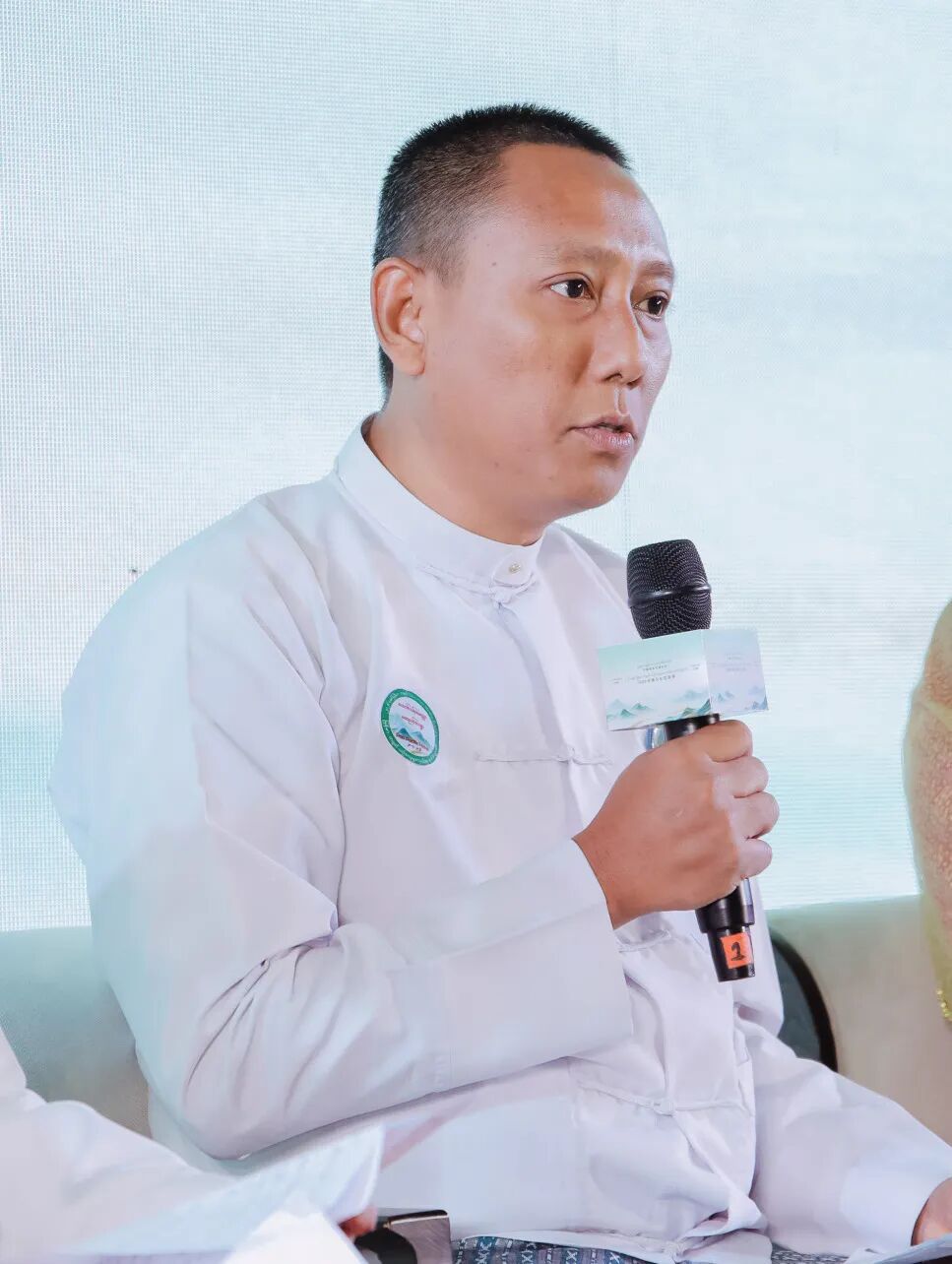
Win Htut Aung
At the invitation of the Yunnan International Communication Center for South and Southeast Asia, MRTV has dispatched two film crews to Yunnan this year for filming. The primary purpose is to gain an in-depth understanding of Yunnan's modern agricultural cultivation techniques, development achievements, and farmers' stories in areas such as flowers, fruits, and vegetables.
We visited frontline agricultural production sites and held discussions with relevant personnel. Throughout this process, we were deeply impressed by China's scientific and modern farming models, as well as its development philosophy regarding environmental protection and ecology.
Through this experience, I have come to realize that cooperation between the two countries is deepening not only in the media sector but also across many other fields. We should leverage media tools to effectively disseminate knowledge to Myanmar farmers, helping them truly recognize China's advanced agricultural experience. Myanmar's agricultural communities can enhance their capacities by learning from China's practices, while also gaining greater economic development opportunities through bilateral cooperation.
Beyond agriculture, we also hope to have more opportunities in the future to collaborate with Chinese counterparts on joint productions in more fields.
