


Roundtable: How has South Asia changed amid changes unseen in a century?


Nestled with the world's rooftop to the north and the Indian Ocean to the south, South Asia is home to over 2 billion people. It is a "kaleidoscope" of civilizations and one of the fastest-growing regions in the global economy.
Migration, interaction, trade, and conquest have shaped the subcontinent's history, while development, conflict, turbulence, and poverty intertwine in its present reality.
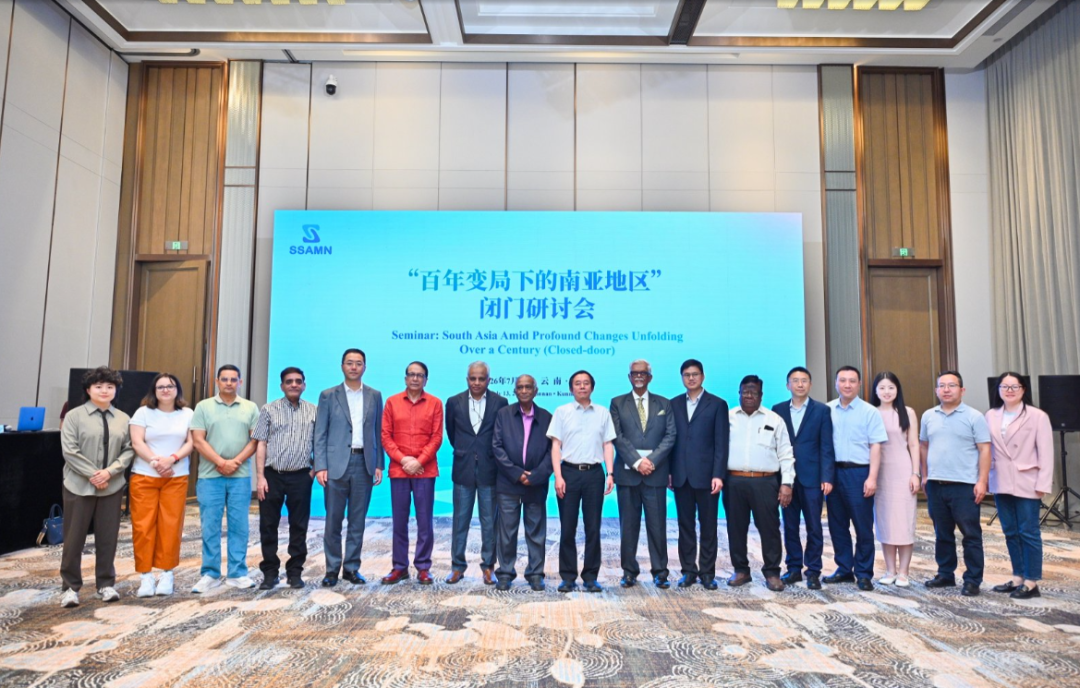
A group photo of the seminar attendees
In late July, the Yunnan Daily Press Group and the Yunnan International Communication Center for South and Southeast Asia, in partnership with Fudan University and Sichuan University, hosted a closed-door seminar in Kunming titled "South Asia Amid Profound Changes Unseen in a Century."
The event brought together officials, think tank scholars, academics, and media professionals from China and South Asian countries for discussions on mutual understanding and neighborly coexistence in a turbulent world, how should we coexist?
I. Who Is Reshaping South Asia's Geopolitical Landscape?

Mao Keji: Cooperation Should Increase between China, India
(Mao is Director of the Strategic Research Division at the International Cooperation Center, the National Development and Reform Commission of China.)
Against the backdrop of a profound restructuring of global industrial chains, China has established leading advantages in multiple industrial sectors, while India is at a critical stage of industrialization and industrial upgrading. Future international competition should not be viewed simply as a contest between China and India, but rather as an opportunity for both sides to complement each other's strengths and jointly participate in the reshaping of global supply chains.
As the global economic landscape continues to adjust, supply chain restructuring brings both challenges and new space for cooperation. China's development not only drives its own economic growth but also creates new opportunities for developing countries, including India.
If China and India can strengthen cooperation in the future, it will not only contribute to the overall development of Asia but also enhance the influence of developing countries in global economic governance.
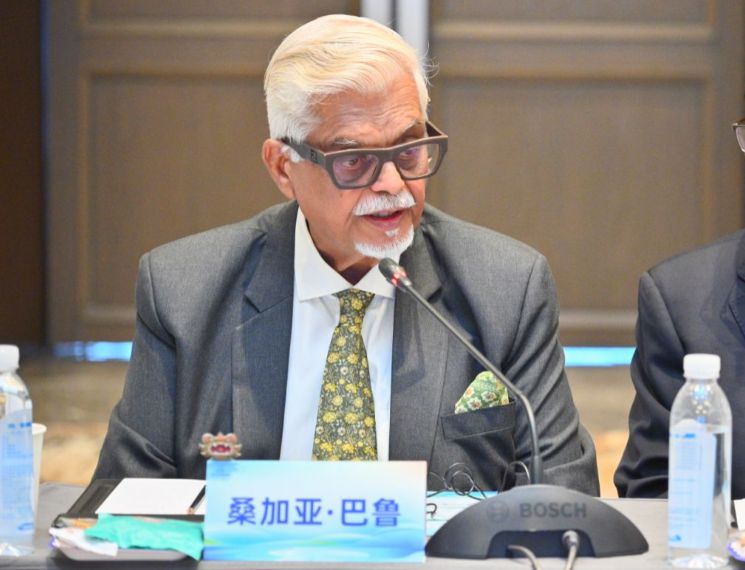
Sanjaya Baru: India Should Align Multilaterally
(Sanjaya is Former Media Advisor and Chief Spokesperson to Indian Prime Minister Manmohan Singh.)
Policy adjustments during the second term of the Trump administration have further increased uncertainty in international politics. Unlike the first Trump term, which primarily focused on competition with China, the second term features the U.S. policies that also affects India. This has prompted an Indian domestic rethinking of the United States' true attitude toward India's rise and has added further uncertainty to India's foreign-policy decisions.
In recent years, India has adhered to a multi-alignment strategy. How should this policy be understood?
It means maintaining strategic autonomy while establishing cooperative relationships with different countries, rather than simply choosing sides. In the face of intensifying U.S.-China competition, the ongoing Russia-Ukraine conflict and the shifting dynamics in West Asia, India places greater emphasis on preserving diplomatic flexibility and expanding its partnership network to enhance its international influence.
What should we watch for in the future? Indian diplomacy is increasingly influenced by both domestic politics and the regional security environment. The South Asian Association for Regional Cooperation (SAARC) has seen diminished activity in recent years, while the developments in Afghanistan, Iran and the Gulf region continue to affect South Asia's security environment.
Going forward, India will need to manage external pressures from U.S.-China competition while also reassessing how Asia's shifting power structure—driven by China's rise—places new demands on its diplomatic strategy.
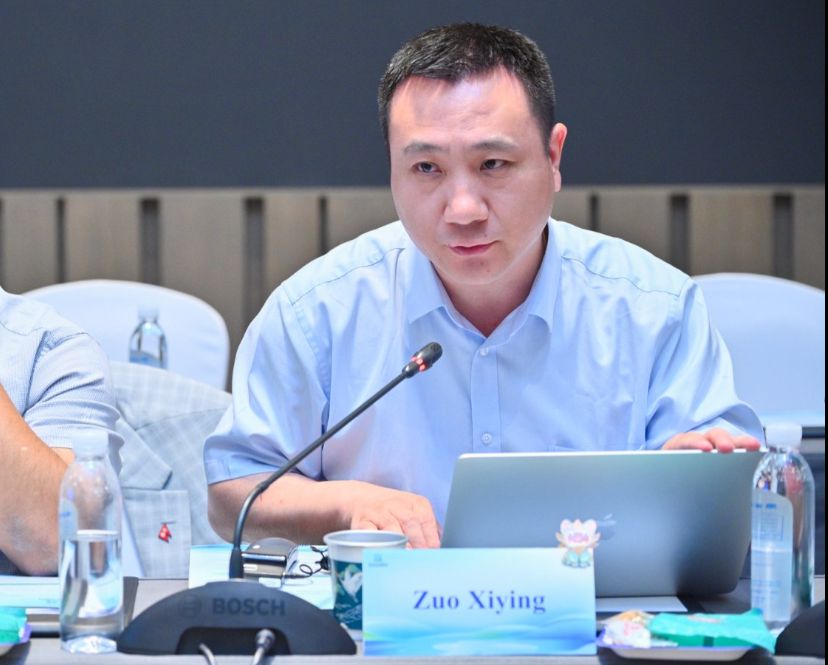
Zuo Xiying: The Nature of Warfare Is Being Redefined
(Zuo is Deputy Dean at the School of International Studies, Renmin University of China.)
Where do the new challenges facing the world today come from?
The way U.S. hegemony operates is undergoing new changes. In recent years, the United States has increasingly adopted more coercive and unilateral policies toward its competitors, partners and even allies, intensifying the America-first power politics in trade, security, and diplomacy. This trend not only undermines the foundation of international cooperation but also increases instability in the international system, posing new risks and challenges to countries worldwide.
Protectionism and economic decoupling are reshaping the international competition landscape. In recent years, global trade protectionism has risen markedly. Tariff barriers, technology blockades, and supply chain adjustments continue to weaken economic interdependence among countries, heightening the risk of confrontation and conflict in the international community.
History shows that trade barriers and economic competition often escalate tensions between nations, and this trend may become a defining feature of international politics in the future.
The new round of technological revolution is profoundly changing the nature of warfare. Rapid advances in artificial intelligence, unmanned combat systems, and intelligent sensing mean that future warfare will depend more heavily on information superiority and technological capabilities. The Russia-Ukraine conflict and developments in West Asia have already shown that new technologies not only transform traditional military operations but also redefine the logic of offense-defense dynamics and strategic games.
Future international competition in security will increasingly manifest as competition in technology, industry, and overall national strength. All countries must reassess the profound implications of the technological revolution for national security.
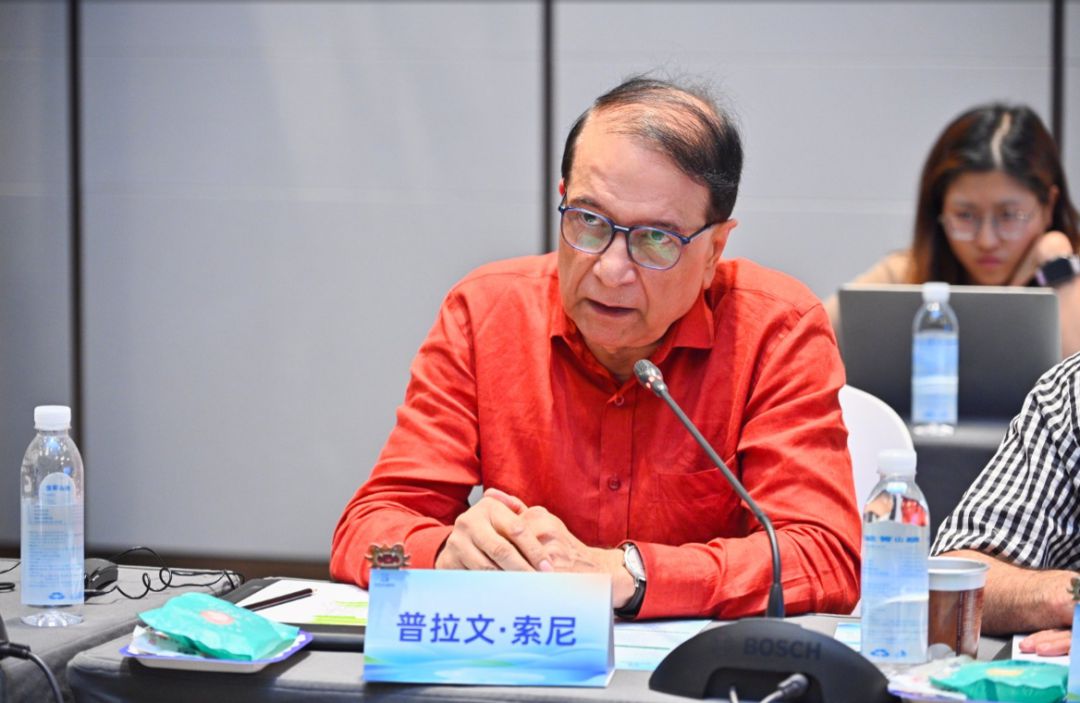
Pravin Sawhney: South Asia Should Be Observed Beyond the Region
(Pravin is the Founder and Editor-in-Chief of India's Force magazine.)
The world is moving toward multipolarity, and South Asian issues cannot be understood in isolation but must be viewed within the broader strategic framework of the entire Eurasian continent. Developments in Central Asia, West Asia, and East Asia are closely linked to South Asia's security environment, and great-power competition has taken on a cross-regional, interconnected dynamic.
In my view, Russia's proposals for a Eurasian security architecture, the United States' enhanced presence in Central Asia, and China's Belt and Road Initiative have all significantly influenced the regional landscape. In the future, strategic linkages across Eurasia will further strengthen, and the importance of common security will continue to grow.
As for Indian diplomacy, the country should place greater emphasis on strategic autonomy—maintaining its influence in South Asia while participating in global affairs with a broader international perspective. Meanwhile, Pakistan has adjusted its diplomatic strategy in recent years, playing a more prominent role in regional affairs. China has become a major force shaping the new international order and maintains close cooperative relations with South Asian countries.
II. What Challenges Are South Asian Countries Facing Amid the Changes?

Masood Khalid: South Asian Dilemma Lies in Insufficient Cooperation
(Masood is Former Pakistani Ambassador to China.)
The South Asian region features immense diversity in ethnicity, religion and culture, with significant disparities in development levels among countries. It also faces shared challenges such as food security, water security, poverty, and development imbalances. As a regional cooperation platform, SAARC has failed in recent years to fully play its role in promoting regional cooperation, and regional integration has been visibly lagged behind.
Home to nearly a quarter of the world's population, South Asia possesses enormous development potential. However, low intra-regional trade, insufficient political trust, and prolonged conflicts have severely constrained regional development. South Asian countries should resolve their differences through dialogue and cooperation rather than remaining locked in confrontation.
In recent years, India-Pakistan conflicts have escalated, and high-tech weaponry and new forms of warfare have further increased the risk of crisis escalation. The international community often intervenes only after crises erupt, lacking long-term approaches to addressing root causes. This "crisis management" model can hardly achieve lasting regional peace. In the future, India and Pakistan should be encouraged to resume direct dialogue and gradually rebuild trust on key issues such as water-sharing—creating conditions for peace and stability in South Asia.
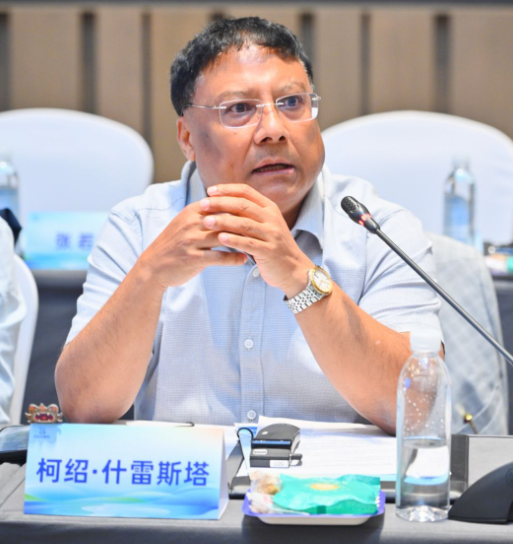
Keshav Shrestha: Nepal in the Middle
(Keshav is Editor-in-Chief of Nepal's Jana Astha Weekly and Chairman of the Nepal-China Media Forum.)
As a mountainous country sandwiched between China and India, Nepal has gone through unprecedented political adjustments in recent years. Social problems in youth unemployment, educational imbalance and sluggish economy have accumulated, and they were compounded by inter-party conflicts. These factors have led to persistent political instability, significantly impacting governance capacity and social stability.
Nepal's 2026 general election marked the most important political turning point in recent years. Emerging political forces have risen rapidly, traditional parties have seen their influence decline, and the parliamentary landscape has undergone major changes. While the election reflects the public's desire for reform, stronger accountability, and improved governance, the realignment of parliamentary forces has also increased the difficulty of governing coordination, placing higher demands on government effectiveness.
At the same time, Nepal's economy faces considerable pressure. Public debt continues to rise, capital outflows have accelerated, market confidence has weakened, and economic development has been adversely affected by political uncertainty. As a small country between China and India, Nepal will still need to maintain diplomatic balance while strengthening cooperation with its neighbors to achieve economic recovery and social stability.
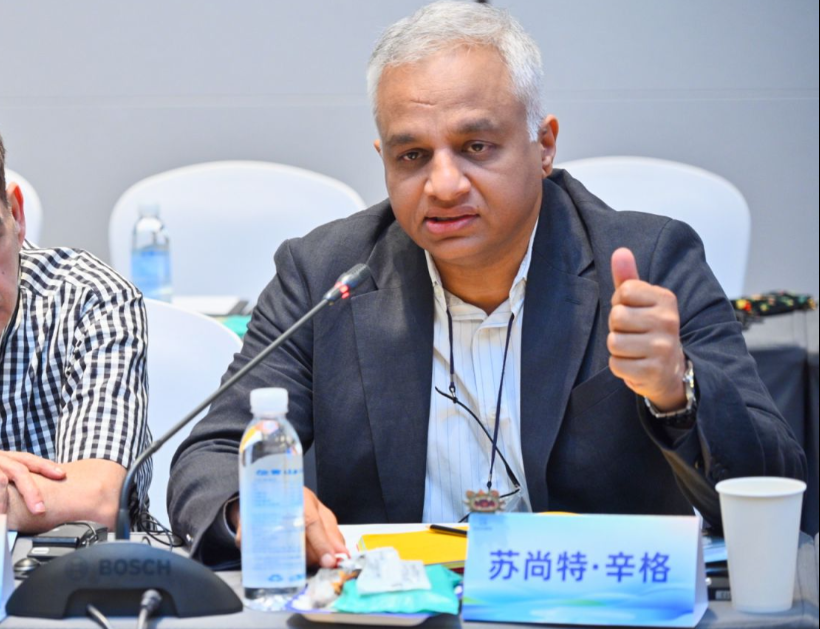
Sushant Singh: Gains and Losses in India's Political Transition
(Sushant is Editor at India's Caravan magazine and Lecturer at Yale University.)
Since the Modi government took office in 2014, India's political landscape has undergone profound changes. The ruling party has secured long-term stable governance and achieved progress in promoting economic reforms, infrastructure development, and modernizing state governance. However, India's domestic political ecology has also seen new developments.
Unlike India’s early post-independence era, which emphasized freedom, democracy, and pluralistic inclusiveness, the recent years have seen the nationalist tone grown stronger. Tensions among different religious, cultural, and social groups have intensified, posing new challenges to India's social cohesion and democratic governance.
In economy, India continues to face structural pressures. Per capita income remains low, private investment is lackluster, agricultural modernization has progressed slowly, and the rapid development of emerging technologies such as artificial intelligence has added new challenges to India's labor market and industrial upgrading. Meanwhile, slow growth in foreign direct investment and increasing economic uncertainty could further amplify domestic nationalist sentiment, with potential implications for social stability.
Improvements in China-India relations require joint efforts from governments, media, academia, and business communities. In recent years, some media outlets have continued to employ Cold War mentalities and zero-sum narratives, affecting mutual perceptions between the two societies. In the future, exchanges and cooperation at various levels should be strengthened to foster more objective and rational mutual understanding and build greater consensus on cooperation.
In my personal view, the improvement of India's domestic political reforms and governance capacity will directly affect India's future development and the stability and prosperity of the entire South Asian region.
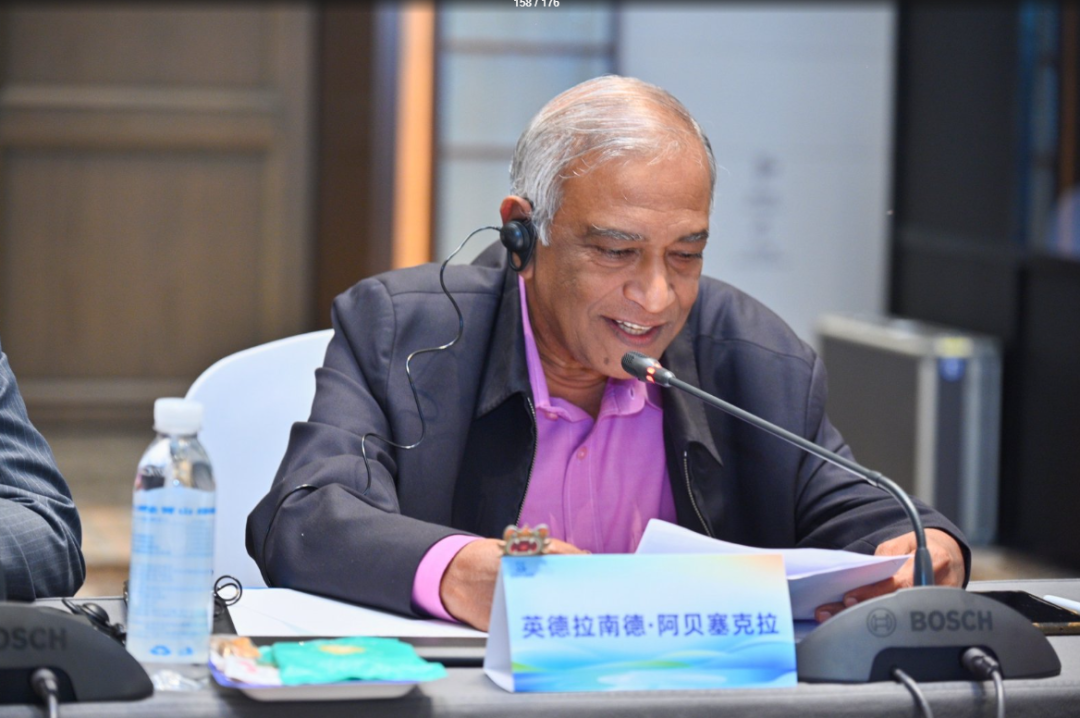
Indrananda Abeysekera: Sri Lanka Needs a Clear Development Roadmap
(Indrananda is Chairman of the Sri Lanka-China Society for Social and Cultural Cooperation.)
When the current Sri Lankan government took office, it carried high expectations from all social sectors for reform and economic recovery. However, to date, the government has not fully met social expectations in advancing governance, improving livelihoods, or driving economic development. The most prominent issue is the lack of a systematic, long-term development strategy. While the government has articulated goals of reform and transparent governance, it has yet to formulate a clear development roadmap, and key areas such as industrial development, technological innovation, education reform, and attracting foreign investment still lack overall planning.
Although Sri Lanka's economy has gradually recovered from the financial crisis in recent years, ordinary citizens continue to face considerable hardships. High living costs, insufficient job opportunities, financing difficulties for small and medium-sized enterprises, and the outflow of young talent remain prominent problems. At the same time, some government officials lack governance experience, and policy implementation capacity needs improvement, which has also affected public trust in the government.
Going forward, Sri Lanka should place greater emphasis on learning from the development experiences of Asian countries—particularly China—by formulating long-term national development plans, enhancing policy continuity, and improving governance capacity to promote sustained economic recovery and social stability.
III. Where Should South Asian Journalists Go in the Social Media Era?
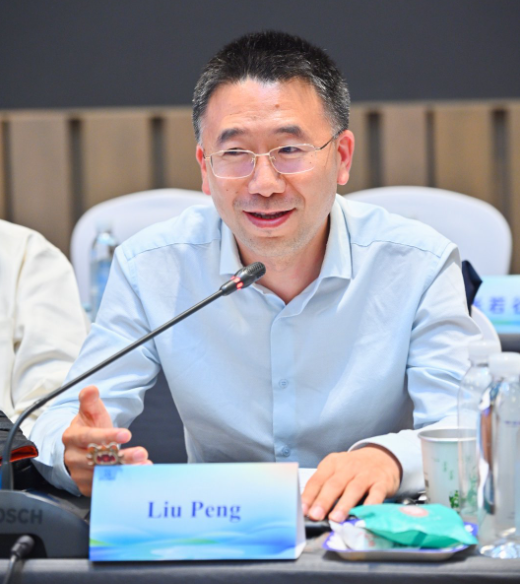
Liu Peng: Media Is Reshaping South Asia's Political Ecology
(Liu Peng is Professor and Deputy Director at the Division of International Cooperation and Exchange, Yunnan University.)
India’s foreign policy is undergoing notable changes. In recent years, the Indian domestic political factors have exerted growing influence on foreign policy decisions, and the relationship between national interests and party politics has seen new adjustments. This is a trend worthy of continued attention.
South Asia's strategic balance is undergoing new shifts. India-Pakistan relations remain complex, with issues such as the Indus Waters Treaty once again making an international hit. At the same time, developments in West Asia have strengthened strategic linkages between South Asia and West Asia, making the regional security landscape more complicated.
Recent political changes in countries such as Bangladesh and Nepal will deeply affect their foreign policies and strategic autonomy. How smaller and medium-sized countries maintain strategic balance amid great-power competition will become an important topic for regional studies.
Traditional media influence is declining, while social media and new media platforms are becoming powerful forces shaping public opinion. Media narratives directly affect public perceptions of international relations and mutual understanding between countries.
The media should assume greater responsibility for promoting exchanges and communication. At present, many stereotypes and entrenched narratives persist in international public discourse. Chinese and Indian media, as well as South Asian media, should place greater emphasis on objective and constructive reporting. By telling each other's stories well, media in the region can enhance mutual understanding and foster a more rational and inclusive air for regional peace and development.
