


After railway: What do Japan, the U.S. compete for in Laos?


The China-Laos Railway officially opened in 2021, transforming Laos from a "land-locked" country into a "land-linked" one, and it has gradually turned this nation long regarded as a small inland market in Southeast Asia into a key node connecting China with the continental ASEAN countries.
Following the railway's completion, Japan and the United States concurrently stepped up their development cooperation with Laos, yet their areas of focus are markedly different. Why has development cooperation between the countries and Laos begun to shift after the China-Laos Railway opened? And what insights do these new trends offer?
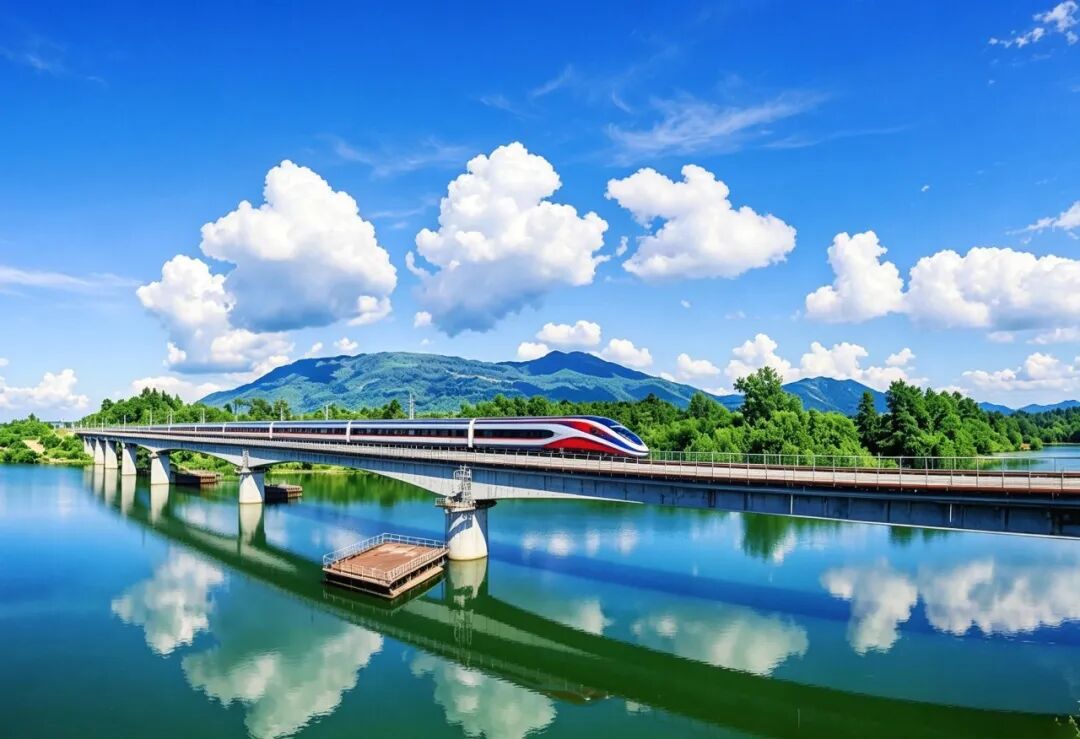
The China-Laos Railway in AI
Japan’s 60-year game paid off by railway dividend
The Japanese development cooperation with Laos did not begin in recent years; it dates back to 1965 when it dispatched the Japan Overseas Cooperation Volunteers. Through decades of sustained investment, Japan has gradually developed a cooperation model centered on national capacity building.
What is truly noteworthy is not this history itself, but how the talent, institutions, and logistical foundations Japan accumulated over that period have worked. After the railway's opening, the Japanese foundations have served as "soft infrastructure" integrated with physical connectivity, thereby unlocking their strategic value in a concentrated manner.
Over the years, Japan has made continued investments in areas such as governance, legal systems, talent development, and logistics planning, laying a relatively systematic foundation for Laos's modernization capacity.
For example, the Laos Civil Code, which received sustained technical support from Japan, officially came into effect in 2020; and the Japanese Grant Aid for Human Resource Development Scholarship (JDS) program, launched in 1999, had by 2026 trained a total of 533 Lao government officials who pursued master's and doctoral degrees in Japan. In recent years, mid-career officials with study backgrounds in Japan have become increasingly common in Lao government ministries, universities, and international cooperation projects.
In 2011, the Japan International Cooperation Agency (JICA) completed a national logistics system study for Laos and conducted a feasibility study on the Vientiane Logistics Park; in 2015, it further advanced preliminary planning for the Thanaleng Dry Port and Vientiane Logistics Park. In other words, well before the China-Laos Railway officially opened, Japan had already made long-term preparations around Laos's future logistics system and regional connectivity.
After the railway opened, the Lao development value is no longer confined to its domestic market, but has gradually become an important logistics node connecting China and the ASEAN continent. The talent, institutions, and logistics planning accumulated over the years have thus taken on new strategic significance.
Under new conditions of regional connectivity, Japan has extended its long-term capacity-building outcomes further into regional supply chains, green transformation, and industrial resilience building. In 2025, Lao-Japan relations were elevated to a Comprehensive Strategic Partnership, providing a new institutional foundation for cooperation in logistics, human resources, technological innovation, and green development.
In observing Japan's role in Laos, we can see the key lies not in any single new project, but in how it effectively aligns the fruits of long-term capacity building with the new logistics conditions brought by the China-Laos Railway. This development logic of "long-term positioning and timely upgrading" is also a key to understanding the Japanese strategy the Mekong subregion.
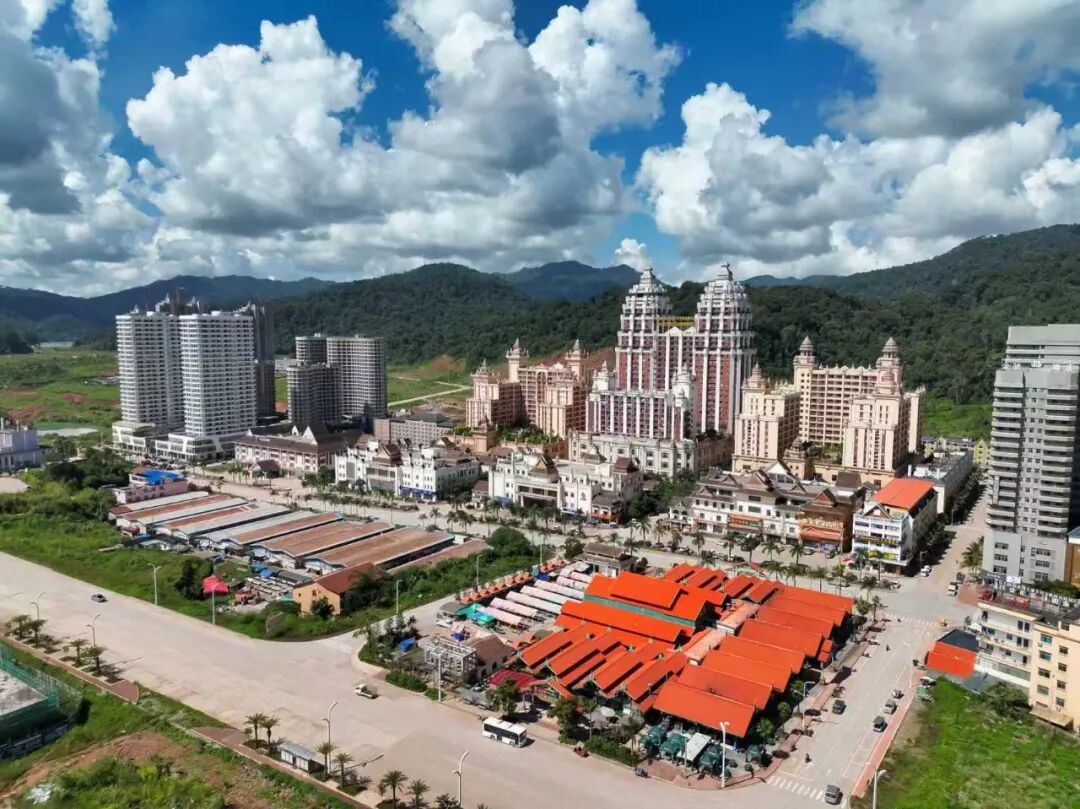
The Boten industrial park near the China-Laos Railway
The United States cares about rule-setting
For a long time, the U.S. development cooperation with Laos has primarily focused on public health, education, humanitarian assistance, and addressing war legacy issues. Economic cooperation was never a priority.
After the China-Laos Railway opened, however, the Laotian logistic networks and regional connectivity improved significantly, equipping Laos with new conditions to undertake industrial relocation and participate in regional supply chain arrangements. The United States is thus more concerned with this: After infrastructure improvements, does Laos have an institutional environment for sustained international capital inflows?
In recent years, the U.S. International Development Finance Corporation (DFC) has incorporated energy, critical minerals, and infrastructure into its regional development finance priorities. The U.S. Department of State has released the Investment Climate Statement and the Trafficking in Persons Report, assessing the investment environment, labor rights, rule of law and market governance. The U.S. Overseas Security Advisory Council (OSAC) has published security risk analyses for companies considering investment in Laos.
Now the U.S.-Lao government exchanges and cooperation are increasingly going around development finance, critical minerals, energy transition, investment promotion, and the Environmental, Social and Governance (ESG). The U.S. policy logic is this: Through financial instruments, regulatory assessments, and risk governance, it seeks to influence the methods and standards by which capital enters Laos, thereby gaining a voice in market governance at the backdrop the China-Laos Railway.
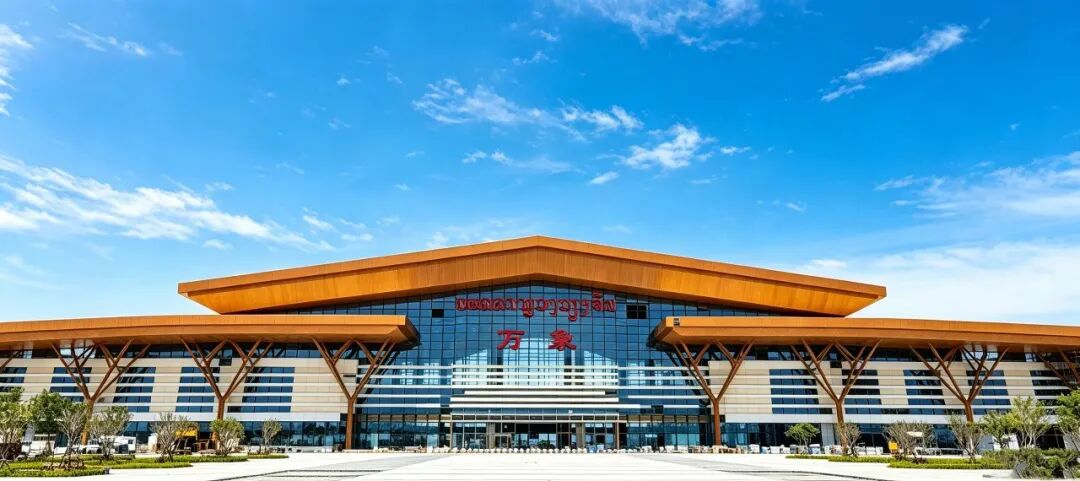
The Vientaine Station
What do the cooperations with Laos imply?
The China-Laos Railway has changed not only the Laotian connectivity in the region, but also the focus of international development cooperation. Whether it is Japan's continued efforts in capacity building or the United States's greater emphasis on the market environment and rule-setting, both ultimately point to the same goal—further unlocking the development value brought by the China-Laos Railway.
Infrastructure construction is only the starting point of regional cooperation. The China-Laos Railway has improved regional connectivity, but the railway itself does not generate industrial agglomeration and economic growth. The logistics system, the industrial supporting facility, the smooth customs clearance and the improved cross-border service are the factors that determine whether the railway can truly translate into new drivers of regional development.
The railway is the skeleton only; logistics, industry and rules are the flesh and blood.
Based on the railway, the future China-Laos cooperation should focus on improving the logistics system, promoting bilateral industrial synergy, optimizing the business environment, and driving the Mekong regional development in industrial and supply chains.
(The author Wang Yujiao holds a Ph.D. in Asia-Pacific Studies from Waseda University.)
