Why is Mojtaba chosen as Iran's new supreme leader?
Iran's Assembly of Experts confirmed Mojtaba Khamenei as the new Supreme Leader of Iran on March 9. Records show Mojtaba was born in 1969 and is the second son of the late Supreme Leader Ali Khamenei.
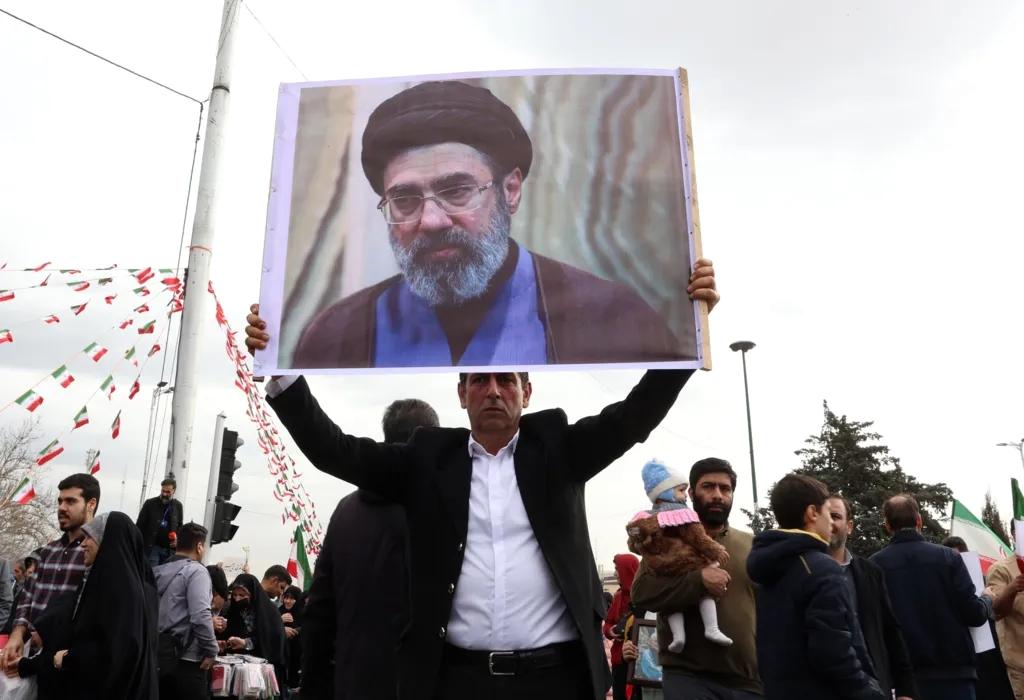
Photo/BBC
Mojtaba joined a division of the Islamic Revolutionary Guard Corps (IRGC) during 1987-1988 and participated in the Iran-Iraq War. He later transitioned to religious studies at the Qom Seminary. In terms of actual power dynamics, Mojtaba has for years served as gatekeeper and power broker within the Office of the Supreme Leader, widely regarded as his father's chief aide—a role quite similar to that played by Ahmad Khomeini, son of the Islamic Republic's founder Ruhollah Khomeini.
Additionally, Mojtaba possesses a unique advantage not shared by other potential candidates: he can position himself as the natural choice to determine "the next steps." If Iran chooses to continue fighting, he can frame it as legacy, duty, and revenge; if Iran opts to suspend retaliation and shift into survival mode, he can equally define this as a decision made proactively by the successor and the family, rather than a humiliating concession under external pressure.
This bidirectional narrative capability essentially reserves a certain strategic maneuvering space for Mojtaba. The most likely path is for him to rely on residual military strength to build sufficient momentum in the short term. This includes intensifying missile and drone strikes on Israeli territory and US military bases in the Gulf, activating proxy networks like the Houthis and Iraqi militias for comprehensive escalation, and thereby crafting a tough domestic image of "avenging his father and blunting the enemy's edge."
Simultaneously, he may maintain channels for secret contact with Washington through third parties such as Qatar and Oman, laying groundwork for eventually returning to the negotiating table. The preconditions for talks will be extremely harsh, but the door to negotiation is not completely closed.
Mojtaba Khamenei's rise is a direct outcome of the US-Israel "decapitation" strategy, yet it may well run counter to their original intentions. This new Supreme Leader—possessing military connections, economic resources, familial vengeance, and hereditary legitimacy—has the opportunity to steer Iran into an unprecedented "revenge plus military rule" model.