U.S. repeal of EPA finding weakens global climate governance
The Trump administration revoked on February 12 the U.S. Environmental Protection Agency’s 2009 “Endangerment Finding” on greenhouse gases. This is a crippling blow to U.S. climate policy, as the finding has long served as the EPA’s legal foundation for regulating pollution from the oil and gas industry, power plants, vehicles, and other sources of planet-warming emissions.
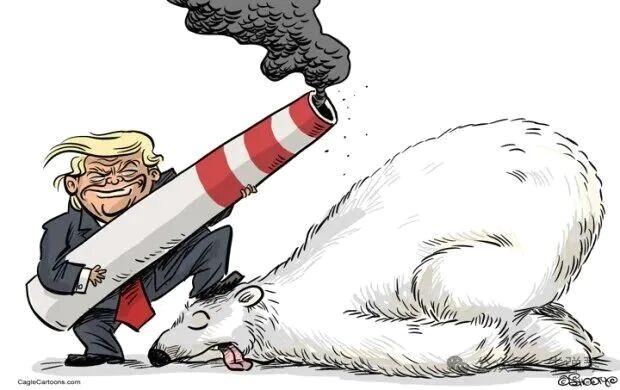
Photo/WeChat
This move effectively pulls the legal cornerstone from under the U.S. climate regulatory framework at the federal level, marking a historic reversal in American climate policy. It will not only reshape the country’s energy and automotive industries.
At a time when the global auto industry is accelerating its shift toward electrification, loosening emissions standards could leave U.S. automakers lagging technologically behind European and Chinese markets, undermining their global competitiveness.
The move will also have a profoundly negative impact on global climate governance. Having already withdrawn from the Paris Agreement, the U.S. is now dismantling its domestic regulatory foundation—effectively opting out of global climate efforts and weakening the collective momentum of the international community to reduce emissions.
Environmental groups and public health experts warned that revoking the finding will lead to increased air pollution, resulting in more respiratory illnesses and premature deaths. Organizations including the American Lung Association have announced plans to sue the administration, calling the decision “illegal” and arguing that it will cause serious harm to public health.