How do Vietnamese consumers respond to Chinese brands like KKV?
This year, Chinese creative lifestyle brand KKV opened its second flagship store in Ho Chi Minh City, Vietnam. In addition to KKV, numerous Chinese brands such as MINISO, POP MART, and Haidilao are entering the Vietnamese market.
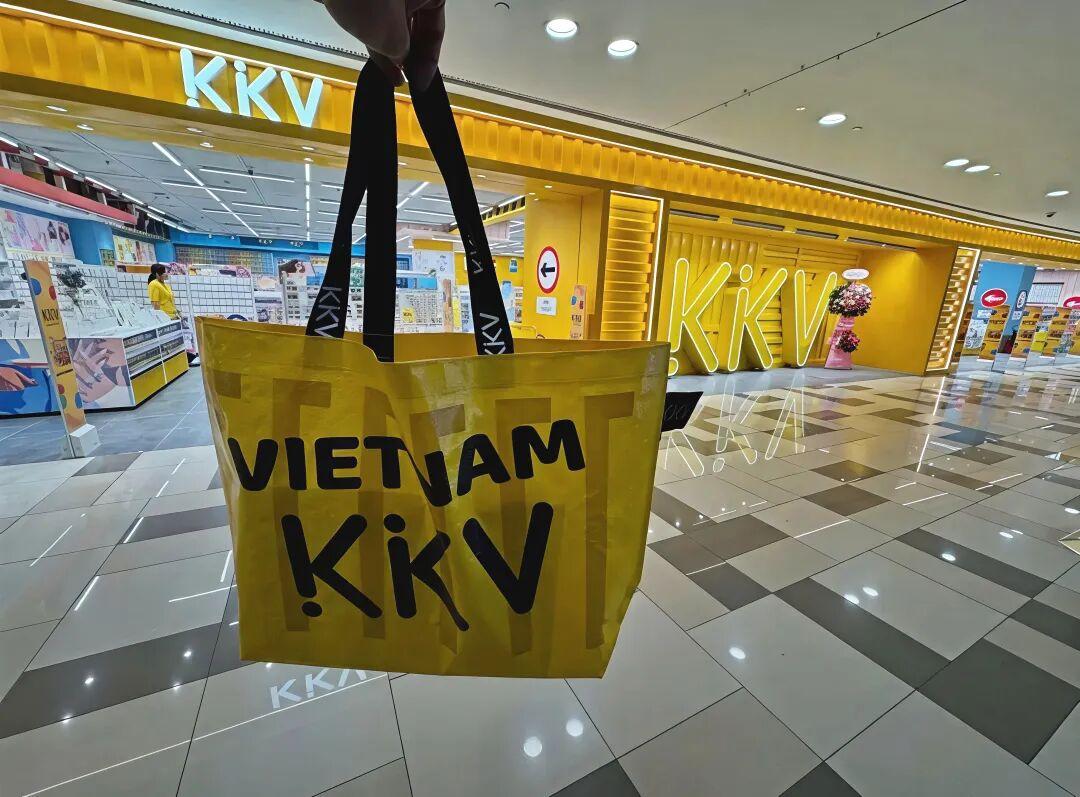
KKV opens its second flagship store in Ho Chi Minh City, Vietnam.
Why has KKV been able to succeed Vietnam? How are Vietnamese consumers responding to these Chinese brands? In this episode, we invite Nguyen Thanh Huong to share her insights on the current state of China's creative economy in Vietnam. Nguyen is a scholar at Hanoi University who has long observed Sino-Vietnamese consumer culture.
From a consumer perspective, Nguyen believes that KKV's flagship store model precisely meets the psychological and social needs characteristic of the era. Firstly, there is the need for experience and self-exploration. Secondly, the need for self-expression and social connection. Thirdly, the need for emotional release and spiritual pleasure.
MINISO creates a comfortable feeling, with affordable prices but fine designs; POP MART captures the psychological identity of young people, transforming "products" into "personal identity"; Haidilao turns dining into an unforgettable service experience, where customers can enjoy thoughtful interaction.
Today, the success of Chinese brands in Vietnam stems not from low prices, but from a shift in strategic thinking. They haven't simply copied their China market models; instead, they focus on localized experiences. For example, the figures produced by POP MART are dressed in Thai attire or traditional Vietnamese clothing depending on the sales market.
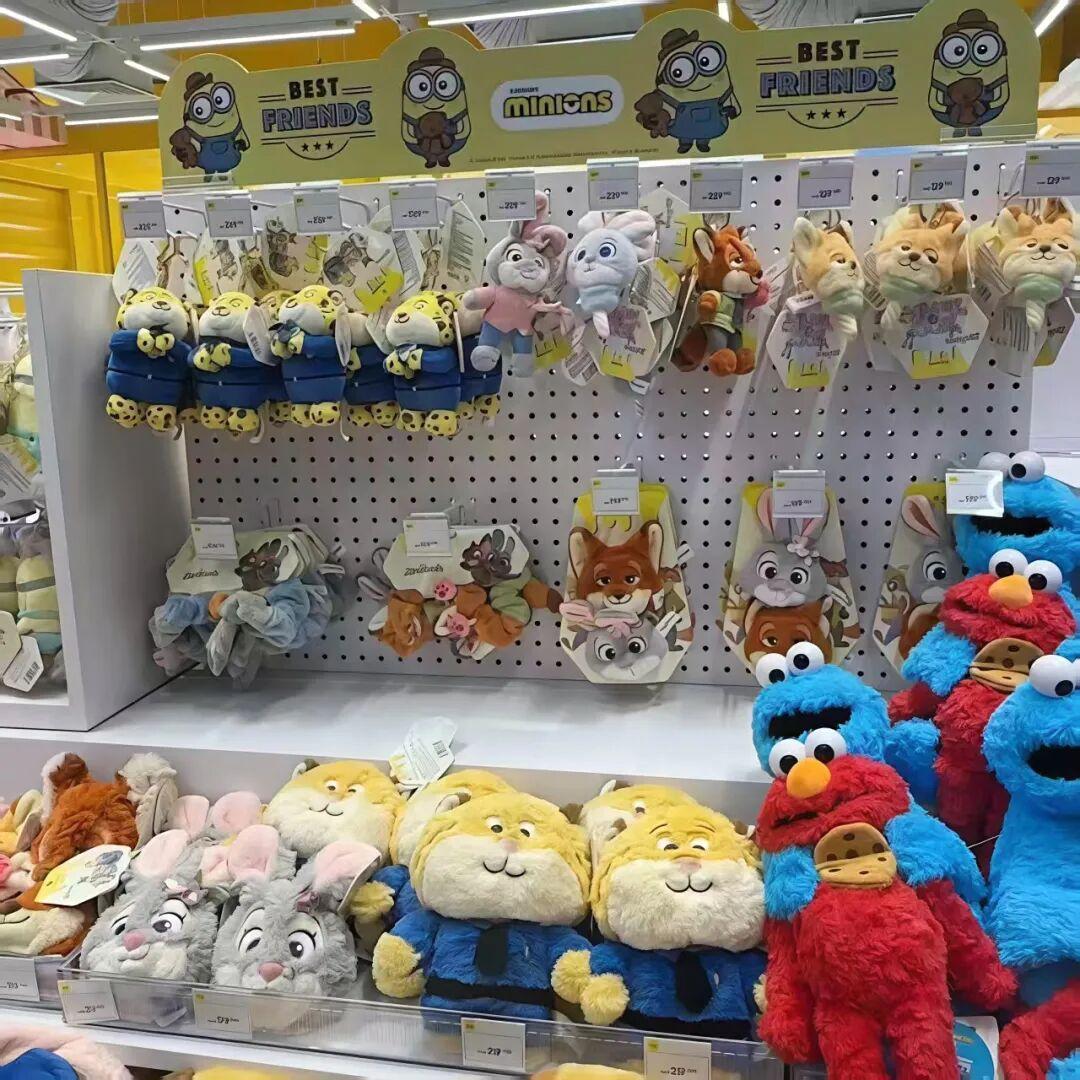
Toys made Chinese cultural brands
Furthermore, Chinese brands understand the psychology of young Vietnamese people, respect the local consumer culture, and keenly grasp the trend shifting from "what to buy" to "how is the experience," quickly winning the affection of Vietnamese consumers, especially the younger generation.
“When shopping, I pay attention to design, brand story, product meaning, and the shopping experience. Even when buying books, I also notice the book's binding format and cover design,” said a Vietnamese Consumer Khanh Ly.
Khanh Ly added the spatial layout of KKV is different from other places. The color tones were harmonious, the display style unique, and it felt both fresh and energetic.
Another Vietnamese Consumer Diem Mai thinks the layout and products sold by these Chinese stores provide an emotional value for consumers. Beautiful displays prolong the customers' stay and stimulate a purchasing desire.
“I prefer products with emotional value. When I take photos in a Chinese store, I’ll think of my friends or family. On the occasions of their birthdays, I come here to choose gifts for them,” noted Diem Mai.
Source: YICC