Election marks key turning point in Nepali politics
Nepal is holding its general election today (March 5). This election marks the third parliamentary vote since the promulgation of the new constitution in 2015, and it is the first popular election following the "Gen Z protest" in September 2025. It represents a critical turning point in the country's political journey.
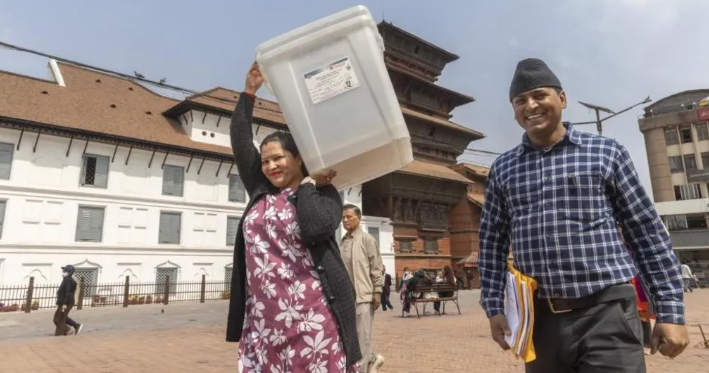
Getting ballot boxes and election officials to all corners of the Himalayan republic is a logistical challenge.
The focus of this election lies in the contest between the "traditional party alliance" and the "emerging youth force." The outcome will directly determine Nepal's domestic policy direction and diplomatic balance for the next five years.
The 2025 Gen Z protest directly led to the downfall of then-Prime Minister KP Sharma Oli and the burning of the parliament building. This current election, conducted under the leadership of an interim government headed by former Chief Justice Sushila Karki, is a crucial step aimed at restoring national order and resetting a democratically elected government.
According to data from the Nepal Election Commission, approximately 18.9 million eligible voters will cast their ballots, with over 340,000 security personnel deployed to ensure order for the election. Voters hope this election will break the deadlock of frequent government changes and achieve political stability.
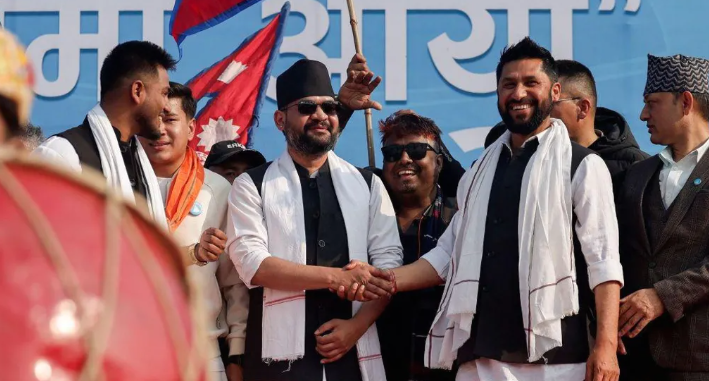
Balen Shah (in sunglasses) is one of the people to watch in this poll.
This election is primarily a contest between "established incumbents" and "newly emerging forces."
The established incumbents include the Nepali Congress (NC) and the CPN-UML (Communist Party of Nepal-Unified Marxist-Leninist). Their strengths lie in mature organizational structures and deep-rooted traditional voter bases, including their alliance in the National Assembly (upper house) with the Nepali Congress.
The emerging forces include the Rastriya Swatantra Party (RSP) and the new Nepali Communist Party of (NCP). Their strengths stem from absorbing representatives from the Generation Z movement (such as former Kathmandu Mayor Balendra Shah), the integration of leftist forces, and coordination by figures like Prachanda.
Analysts believe it is difficult for any single party to secure an absolute majority of 275 seats in the parliament. The most likely outcome is the formation of a coalition government, potentially led by either the Nepali Congress or the CPN-UML, in alliance with other parties such as the Rastriya Swatantra Party.