Where is Bangladesh heading as BNP wins election?
The results of Bangladesh’s general election were announced on February 13, with the Bangladesh Nationalist Party (BNP) achieving a landslide victory. The alliance secured a majority of seats, and BNP leader Tarique Rahman is poised to become new Prime Minister.
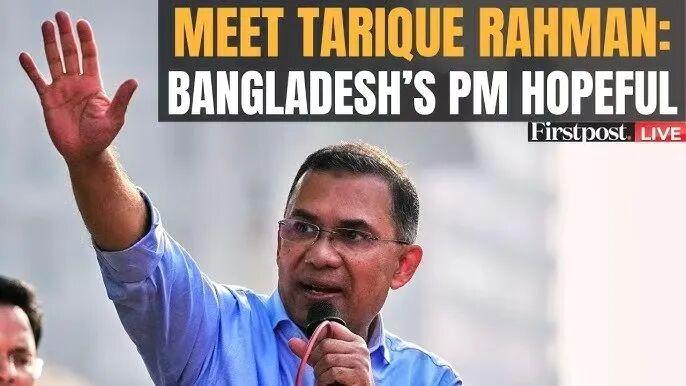
BNP leader Tarique Rahman
The BNP's electoral victory reflects the underlying realities of Bangladesh's economic and social structure. Furthermore, the election, which concurrently confirmed a major constitutional reform package via a simultaneous referendum, marks Bangladesh's entry into a new phase of democratic transition.
The election was conducted under international supervision. Due to the overwhelming margin of victory, even complaints of irregularities from the Islami Andolan Bangladesh and the National Citizen Party cannot possibly overturn the result. With the military maintaining order, the political landscape in Bangladesh is expected to stabilize.
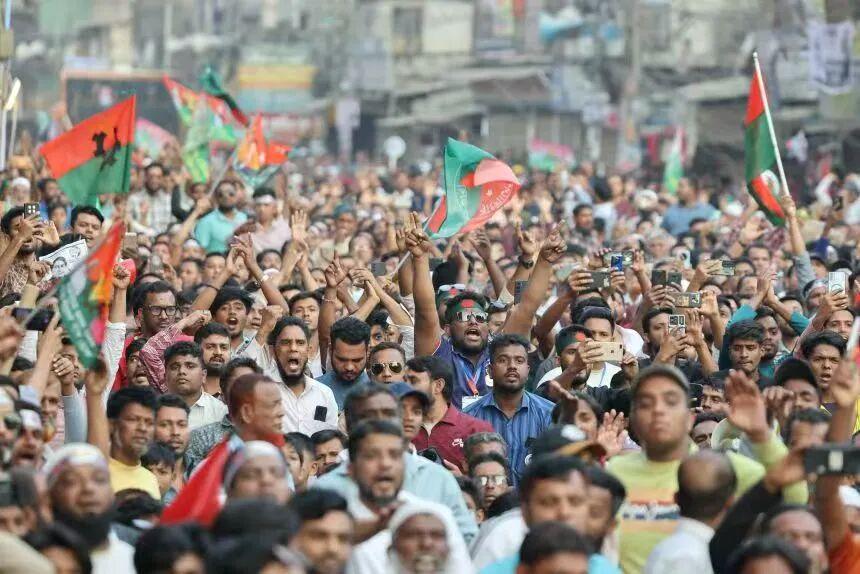
A scene of Bangladeshi general election
Following its victory, the BNP is expected to form a "government of national consensus" according to its own vision. A BNP-led government is likely to advance some urgent reforms that address serious impediments to economic development, combat corruption, promote socioeconomic progress, and attract foreign investment. However, as the BNP itself is part of the old order, the pre-existing political, economic, and social structures of Bangladesh are expected to be largely preserved.
In foreign policy, the BNP government will continue to balance major powers, maintaining equilibrium among countries like the United States, China, and India. However, a major diplomatic challenge facing the incoming BNP administration is the comprehensive trade agreement signed between Bangladesh's interim government and the United States just days before the election.
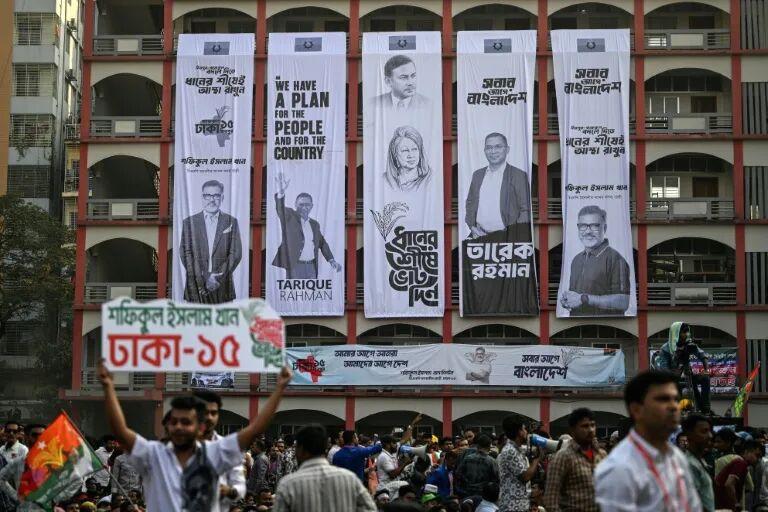
A scene of Bangladeshi general election
This trade agreement signed on February 9 establishes a binding framework that integrates Bangladesh's defense, energy, trade, and digital infrastructure within the U.S. sphere of influence. It also prohibits Bangladesh from engaging in economic, social, and defense cooperation with countries including China and Russia. Non-compliance by Bangladesh could result in U.S. punitive tariffs.
Regarding Bangladesh-India relations, senior BNP figures desire to maintain friendly ties with India. However, given the strong anti-India sentiment in Bangladesh, the BNP will find it difficult to significantly adjust its relationship with India unless India agrees on the sharing of cross-border river waters and the extradition of Sheikh Hasina.
(The author Liu Zongyi is a researcher at the Shanghai Institute for International Studies and director of the Institute’s Center for South Asian Studies.)