Including Huangyan Island into drill is Philippines’ provocation
The Philippines issued a navigational warning on January 21, announcing a 70-day military exercise in the South China Sea until March 31. China’s Huangyan Island was included into the exercise area.
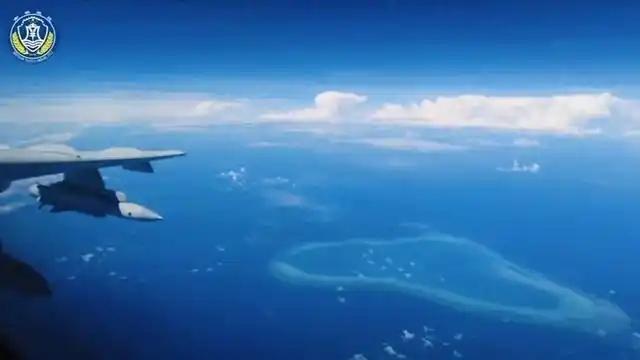
A view of China’s Huangyan Island
By including China’s Huangyan Island in its exercise area, the Philippines may be engaging in the threat of force. In accordance with the UN Charter, China retains its inherent right to self-defense. Moreover, the unusually large scale and extended duration of the Philippine military drills risk disrupting the normal freedom of navigation and overflight of neighboring countries.
This so-called exercise area could be used to intensify surveillance against China, leveraging intelligence-sharing and awareness systems among the U.S., Japan, and the Philippines. This not only endangers maritime and air security in the South China Sea and increases the risk of miscalculation, but also undermines the shared interests of regional countries by stoking tensions.
The decision to establish such an exercise zone and conduct frequent joint drills with non-regional states stems from Manila’s anxiety over uncertainty in U.S. policy. Through military adventurism, the Philippines seeks to highlight its so-called “security role” and maintain American support.
As China continues to strengthen its capacity to uphold rights and maintain stability, however, such provocative acts are unlikely to succeed. On the contrary, they may increase the risk of maritime incidents and provide pretexts for intervention by external forces such as the United States and Japan—thereby exacerbating regional militarization.