Oil crisis from Middle East impacts South and Southeast Asia
Over 2,000 gas stations in Cambodia are temporarily closed, long queues appear at gas stations in Myanmar, and fuel rationing is implemented in Sri Lanka. The region-wide war in the Middle East is impacting South and Southeast Asian countries that are heavily dependent on energy imports.
This not only reveals the vulnerability of the energy structures in these nations but also forces them to seek a way out. They have to explore energy transition pathways while coping with the impact and alleviating energy supply tensions.
I. An Energy Structure Highly Dependent on Imports
The crisis first exposes a common structural problem among South and Southeast Asian countries: their heavy reliance on energy imports.
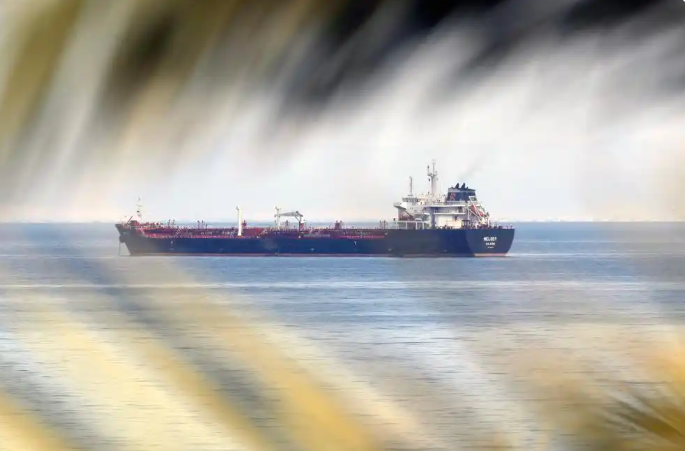
Disruptions to the Strait of Hormuz have caused global shipping costs to soar, severing the supply chain upon which approximately 90% of Myanmar's fuel oil imports depend. Vietnam imports about $20 billion worth of crude oil, refined petroleum, and related products annually. Kuwait is Vietnam's largest crude oil supplier, accounting for around 80% of its total crude oil imports.
Nepal relies almost entirely on energy transshipped via India, while India itself needs to transport about 90% of its Liquefied Petroleum Gas (LPG) through the Strait of Hormuz. As energy supplies become increasingly tight, India must prioritize meeting the energy needs of its critical domestic sectors like transportation and hospitals.
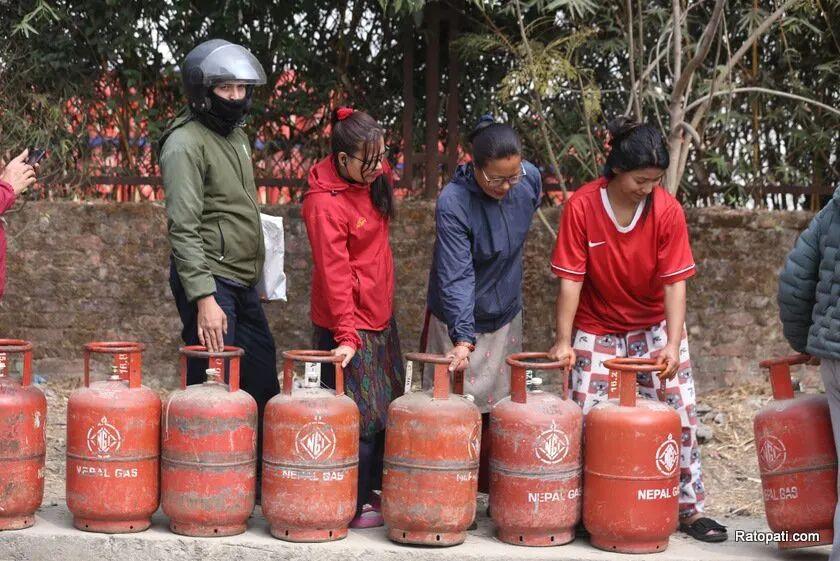
Nepalese queue to buy LPG.
Pakistan relies on imports for over 80% of its petroleum needs, and the country holds reserves for only 10 to 14 days. More than 50% of Bangladesh's LNG imports (approximately 3.6 million tons in 2025) come from Qatar and the UAE, requiring passage through the Strait of Hormuz.
Even Thailand, which appears relatively "secure" with stocks lasting around 96 days, cannot escape the constraints of the global pricing and shipping system. Laos depends on Thailand for 97% of its energy. Due to the geopolitical crisis, Thailand temporarily halted exports, leading to fuel panic in Vientiane.
In essence, the energy systems of these countries are import-dependent. When transportation through the Strait of Hormuz is hindered, the problem isn't whether the oil exists, but whether it can be delivered.
II. The Domino Effect in Economy and Society
The shockwaves from disrupted energy supplies quickly ripple through society and the economy, creating multi-dimensional impacts. The most direct impact is on people's livelihoods.
In Cambodia, approximately 2,000 gas stations suspended operations due to fuel supply shortages. In Myanmar, long queues formed at some gas stations, leading the government to implement an odd-even vehicle rationing scheme. Sri Lanka reinstated a fuel quota system, imposing weekly rations on vehicles. Nepal resorted to filling cylinders only partially to curb hoarding, trying to stem panic buying fueled by rumors of energy scarcity.
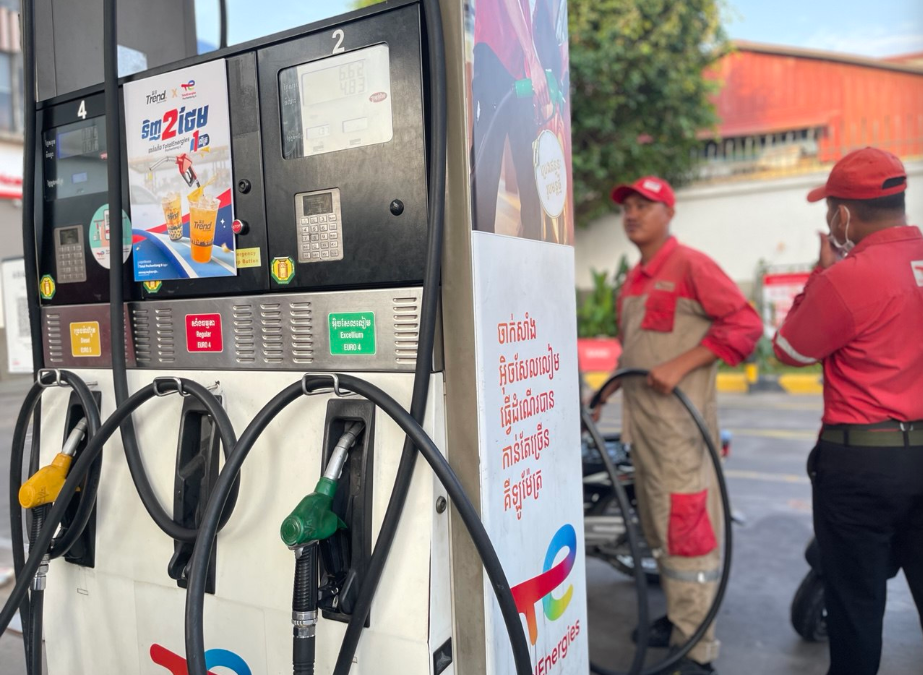
A gas station in Cambodia
The more profound impact is on the economic system. Rising logistics costs, operational pressures on small and medium-sized enterprises (SMEs), and airfares falling below operational costs—these issues are already evident in Myanmar. In Pakistan, rising oil prices directly fuel import costs and inflationary expectations.
The financial impact is equally significant. International Monetary Fund calculations suggest that every 10% increase in oil prices fuels inflation and dampens economic growth. Since early March, international oil prices have surged by about 42%, placing immense pressure on Sri Lanka's foreign exchange reserves.
III. From Rationing Controls to Energy Transition
Facing the shocks, countries have adopted diverse strategies tailored to their circumstances: emergency controls, supply security measures, and structural adjustments.
The first approach is rationing. Policies like Myanmar's odd-even vehicle rule, Sri Lanka's quota system, and Nepal's reduced supply are essentially administrative measures to compress demand and stretch the lifespan of limited energy resources.
The second is securing supply. Pakistan launched a naval escort operation to ensure energy transport security, alongside measures to reduce consumption. They include 4 weekdays in a week and 50% remote work for public sector employees. India is accelerating the diversification of its supply sources to bypass high-risk shipping lanes.
Bangladesh sought a sanction waiver from the US to purchase Russian oil, maintaining a vital energy lifeline. Vietnam's Ministry of Industry and Trade directed refineries, petroleum trading companies, and distributors to proactively seek supply sources to ensure stable operations.
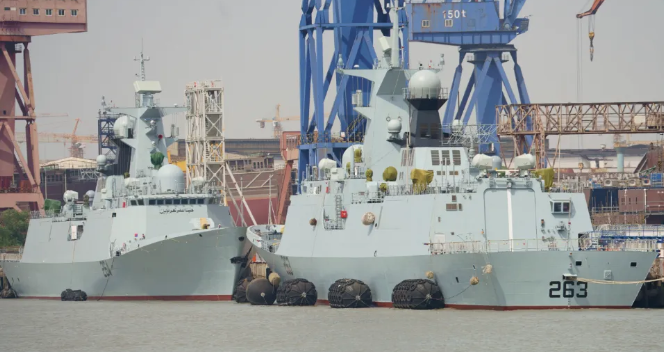
Pakistan launches naval escort for oil transport.
The third is transition. Myanmar is accelerating its shift towards new energy. Electric vehicles are exempt from the odd-even rationing rule, and the government is promoting EVs through zero-tariff policies.
Thailand is promoting biodiesel (B20) to reduce its dependence on oil. Laos is turning faster towards renewable energy, with its 9th Five-Year National Socio-Economic Development Plan (2026-2030) designating renewable energy as a national priority.
Source: Mekong News Network, YICC