Does Myanmar face a fuel crisis amid vehicle-number rationing?
Since March 7, Myanmar has implemented a vehicle rationing system based on odd and even license numbers to address potential fuel shortages. This measure is a preemptive response to the potential impact of the ongoing tensions in the Middle East on global fuel supply.
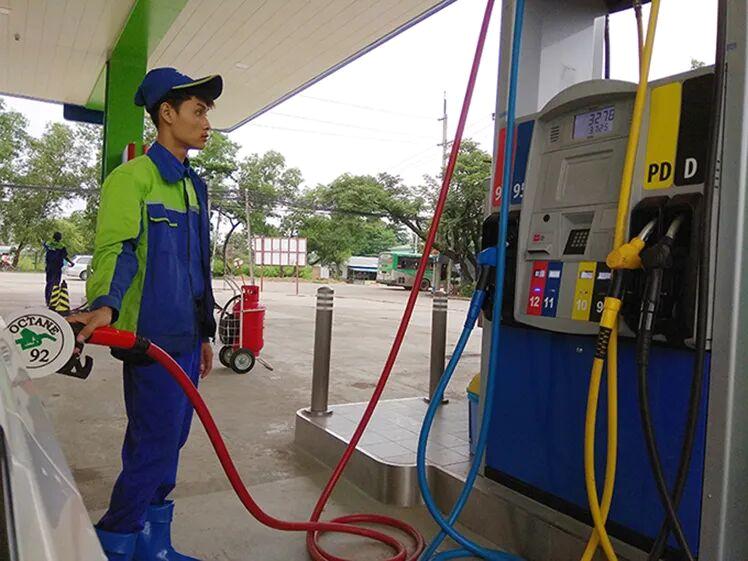
A car is fueled at a gas station in Myanmar.
The policy applies to all private vehicles using fuel, while electric cars and motorcycles are exempt. Public service vehicles, including public transport, fuel tankers, ambulances, company buses, school buses, and freight vehicles, have been granted exemptions.
Faced with this emergency management measure, the public in Myanmar has generally shown understanding and cooperation. They think that in the long run, conserving fuel is necessary. A tight fuel supply not only affects vehicles on the road but also impacts the operation of the economy and various aspects of society.
On the streets of Yangon, fuel-powered vehicles take to the roads on alternate days based on their license numbers. Citizens seem to have calmly accepted this sudden change, treating it as just another minor adjustment in city life.
However, the number rationing poses considerable challenges to Myanmar's commercial logistics. With fewer vehicles on the road, delivery times have lengthened, putting operational pressure on some small and medium-sized businesses that rely on just-in-time delivery.
Starting March 12, authorities in Myanmar piloted a QR code system for gasoline sales at gas stations in cities such as Naypyidaw, Yangon, Mandalay, and Taunggyi. Vehicle owners must scan the road tax QR code when refueling, limiting each vehicle to refueling every other day. This measure ensures fairness in fuel distribution.
Although the tensions in the Middle East are cited as the main reason for the rationing policy, the vulnerability of Myanmar's domestic fuel supply chain cannot be ignored. Despite facing difficulties, Myanmar is actively seeking diversified energy solutions.
Myanmar is undergoing a quiet energy transition, and this adjustment might become an opportunity to propel the country towards a more sustainable energy future.
(Thet Mon Tun is a freelance writer and commentator from Myanmar.)