What does Yunus leave behind for Bangladesh?
On February 16, Nobel Economics Laureate Muhammad Yunus stepped down from his position as Chief Adviser of Bangladesh's interim government and returned to the Yunus Centre, a think tank he had founded. Following the "July Uprising" that ousted former Prime Minister Sheikh Hasina in August 2024, Yunus took on the role of head of the Bangladesh government amid a national crisis.
During Yunus's 18-month tenure, Bangladesh did not see large unrests or political vendettas. This basic stability stands as the primary achievement of his administration. However, Yunus's government lacked political forces to rest on, and it had to expend its limited political resources on coordinating relations among various factions and stabilizing the economic and social situation, in order to maximize consensus on the vision for reform. The legacy of the Yunus government can be summed up in four aspects.
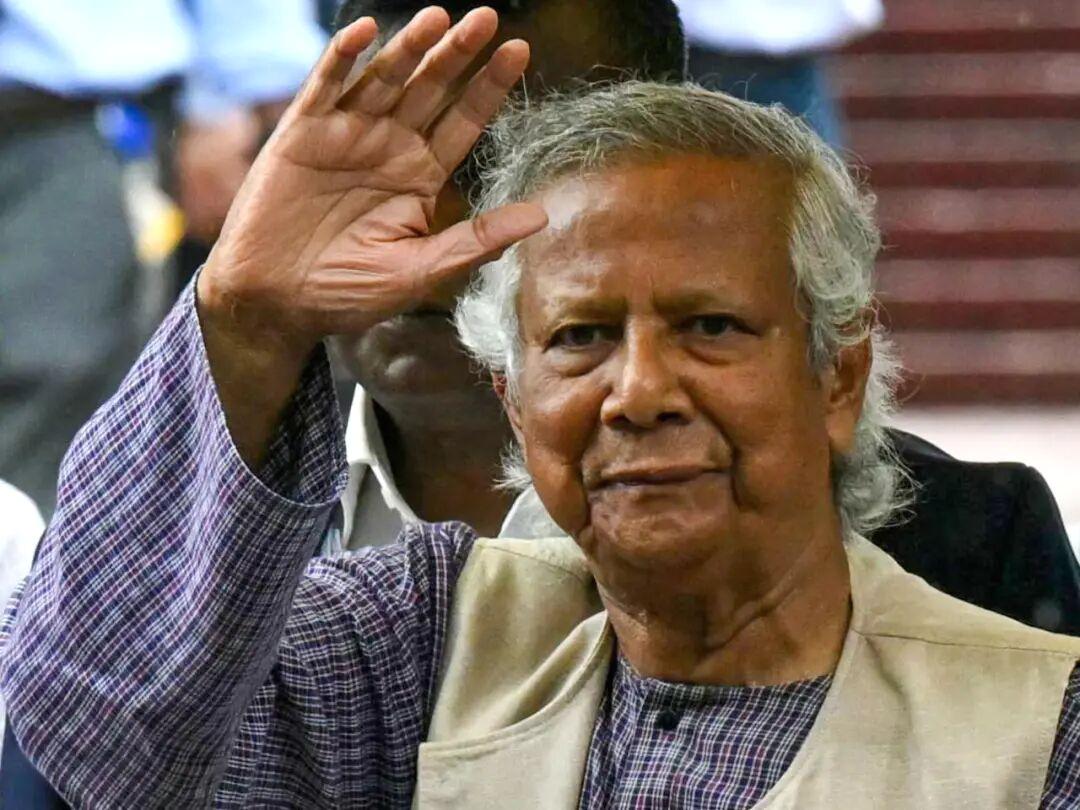
Muhammad Yunus
Initiating economic rectification
The Yunus government focused its economic rectification efforts on the banking sector. During Hasina's tenure, the banking industry was plagued by deep-seated problems. The government's indiscriminate issuance of bank licenses led to a proliferation of small banks, with Bangladesh surprisingly having over 60 commercial banks. Many loans were granted based on political considerations.
Yunus's government appointed Ahsan H. Mansur, a former IMF economist, as Governor of the central bank to oversee banking sector rectification. Main measures included merging poorly managed small banks to achieve economies of scale, having the central bank provide funds to safeguard depositors' interests and strengthen supervision, while diluting the shares of original shareholders. Additionally, the government initiated the process of recovering assets transferred abroad by high-ranking officials of the Awami League. It is estimated that at least 100 billion US dollars in corrupt funds flowed out of Bangladesh during Hasina's 15 years in power.
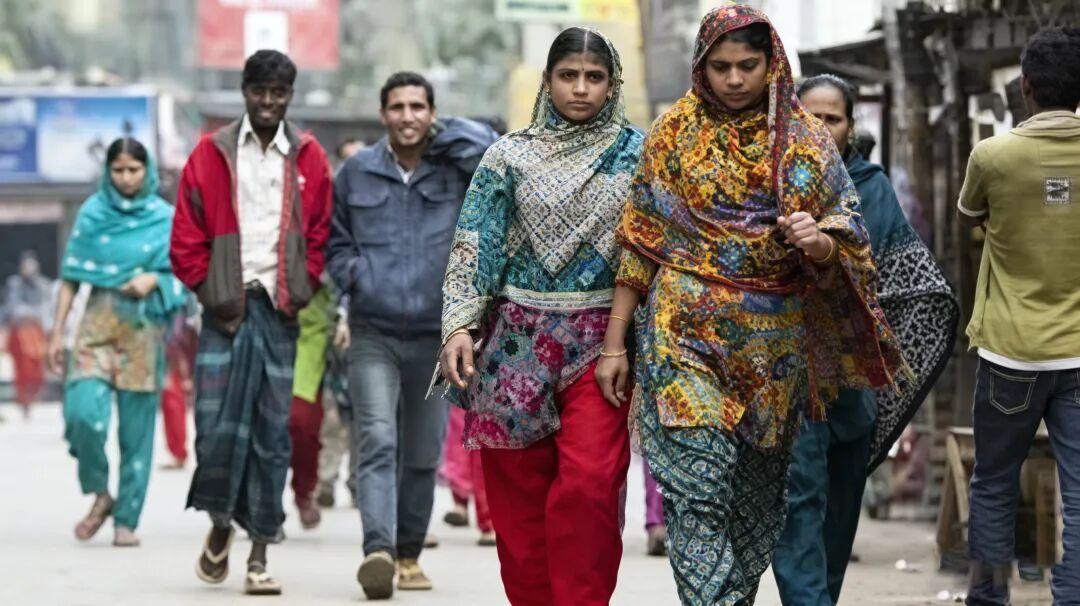
Faces of Bangladeshi folks
Increasing consensus on reform
In social reform, the Yunus government indeed lacked substantial progress. On the economic front, for example, Yunus encountered setbacks in areas such as improving port operational efficiency. However, his banking reforms became the first major reform in Bangladesh since 1991, and the reforms primarily focused on economic efficiency, setting the tone for subsequent economic adjustments. Reports from the Yunus government had a similar effect; they identified the existing problems.
In politics, the Yunus government's major achievement prompted major political parties in Bangladesh to sign and support the "July Charter" it drafted, including the Bangladesh Nationalist Party (BNP), the Jamaat-e-Islami, and the student-based National Citizen Party (NCP). In the February general election, the July Charter was put to a referendum and received support from 68% of voters.
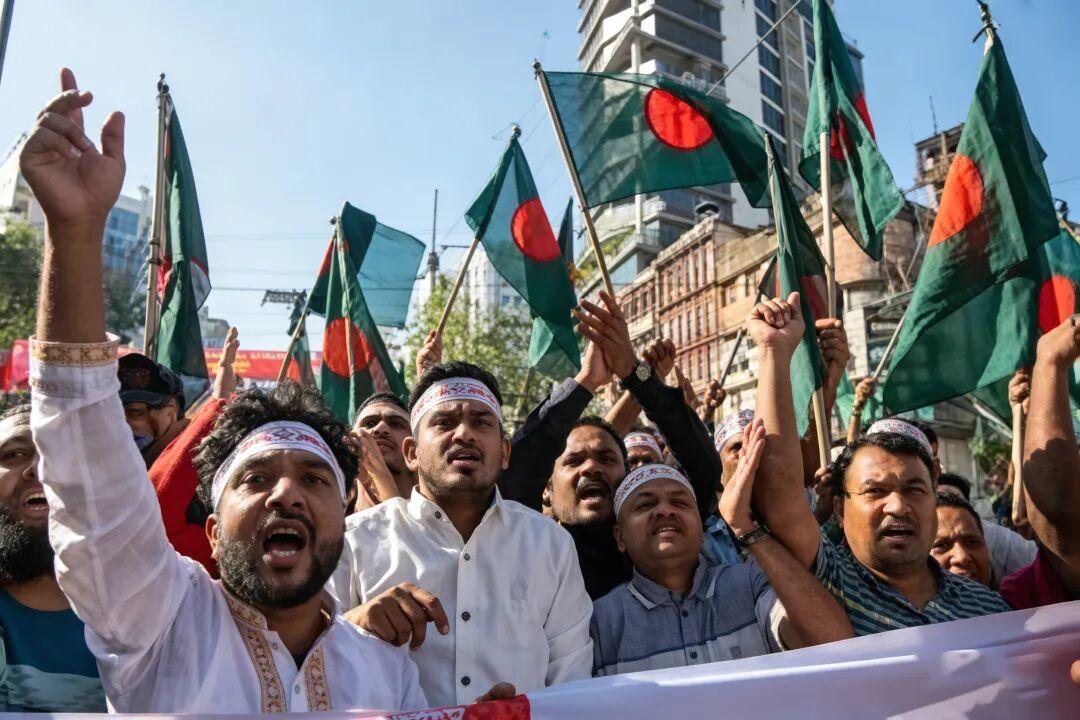
A political movement in Bangladesh
The rise of political Islam
The youth student movement was an important political pillar of the interim government, but it lacked organizational capacity and had to rely on more tightly organized forces like the Jamaat-e-Islami. This dynamic prompted the Yunus government to reverse the Awami League's policy of suppressing political Islamic forces. The relaxed environment allowed these forces to convert their long-accumulated social influence into political influence. The Jamaat-e-Islami has emerged as the second-largest party in Bangladesh.
However, although Bangladesh's political Islamic forces are steered by the relatively pragmatic Jamaat-e-Islami, their coalition also includes many religiously conservative elements. Social organizations like Hefazat-e-Islam demand a ban on music, oppose the advancement of women's rights, and advocate for the implementation of Sharia law. The rise of such forces not only impacts Bangladesh's international image but also injects new tensions into the country's already complex dynamics of class, urban-rural divides, and sectarian relations.
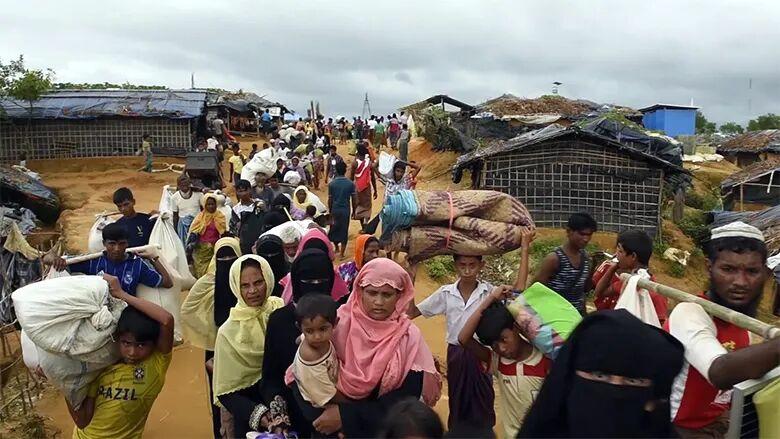
A migration of Rohingyas
Adjusting policy towards neighbors
During Yunus's tenure, Bangladesh's foreign policy underwent a profound shift. The Yunus government pushed for greater Bangladeshi involvement in Myanmar affairs, with the focus being the Rohingya issue. Before the fall of the Hasina government, Bangladesh's diplomacy toward Myanmar was influenced by India, and the country generally engaged with the Myanmar central government while avoiding contact with Ethnic Armed Organizations. This is in line with India's approach. However, the unrest in Myanmar's Rakhine State in 2017 and the expansion of the Arakan Army in Rakhine State since 2023 led to nearly one million Rohingya fleeing into Bangladesh, placing a tremendous burden on the country.
The Yunus government believed that bolstering the Rohingya issue could create room for maneuvering its ties with the United States, Islamic nations, and the Myanmar government, while also applying pressure on China and India. Consequently, the interim government proposed in November 2024 to establish a so-called "humanitarian corridor in Rakhine State" and to accelerate the arming of the Rohingya. The proposal was shelved due to opposition from the Bangladesh military. Nevertheless, Bangladesh has already completed its policy shift towards Myanmar, and it will likely continue to increase its focus on the Rohingya issue.
(The author Wu Mengke is an Assistant Research Fellow at the Shanghai Institutes for International Studies.)