Deep in Qujing: Huize’s nature reserve welcomes migratory birds
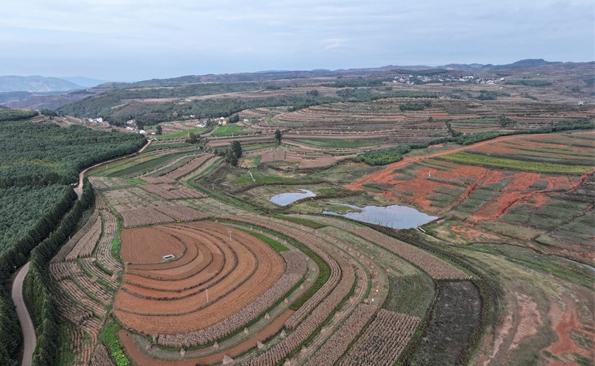
Black-Necked Crane National Nature Reserve in Huize County, Qujing City, Yunnan [Photo/Yunnan.cn]
Every November, black-necked cranes that breed on the Tibetan Plateau migrate to the Black-Necked Crane National Nature Reserve in Huize County, Qujing City, Yunnan, to spend the winter.
According to Xie Daosong, an official from the reserve, gray cranes arrived a week earlier than last year. Last year, over 100 gray cranes and more than 500 black-necked cranes visited, and this year, numbers are expected to increase steadily. "We’ve expanded our feeding grounds by over 4 hectares to fully prepare for the arrival of the black-necked cranes," Xie said.
To ensure that migratory black-necked cranes and other birds have ample and nutritious food, the reserve cleared dead branches and weeds in September and planted 4.7 hectares of oats favored by the birds, creating a plentiful food source for winter.
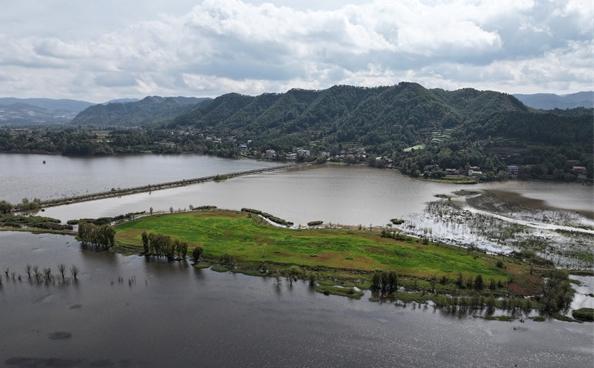
Black-Necked Crane National Nature Reserve in Huize County, Qujing City, Yunnan [Photo/Yunnan.cn]
Additionally, the reserve implemented a 6-million-yuan ecological compensation project, signing agreements with local communities to leave 10% of their potato and oat harvests in the fields for the cranes.
In collaboration with local communities, the reserve also developed over 3335 hectares of food sources like potatoes and oats, diversifying the cranes’ diet to ensure they have not only “enough to eat” but also “nutritious options.”
This year, the reserve continued its wetland restoration efforts, adding 307 hectares to last year’s 47-hectare restoration, totaling 354 hectares of wetlands.
This habitat improvement enhances the environment’s quality, providing a stable and welcoming wintering area for the black-necked cranes.
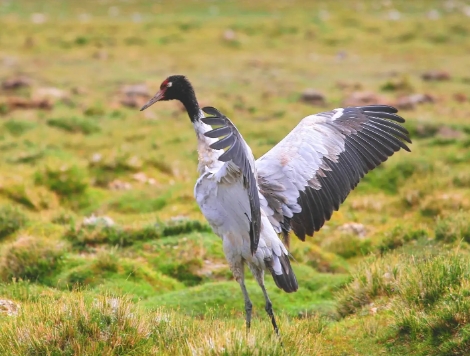
Black-necked cranes [Online Photo]
Source: Yunnan.cn; trans-editing by Guo Yao