


Why Pakistani president, PM visit China in a month


On the 75th anniversary of the establishment of diplomatic relations between China and Pakistan, Pakistani President Asif Ali Zardari and Prime Minister Shehbaz Sharif visited China successively between late April and May. Behind these intensive visits lies a strategic choice by both sides to accelerate the building of an even closer China-Pakistan community with a shared future in the new era, as well as their firm confidence in promoting the high-quality development of the China-Pakistan Economic Corridor 2.0.
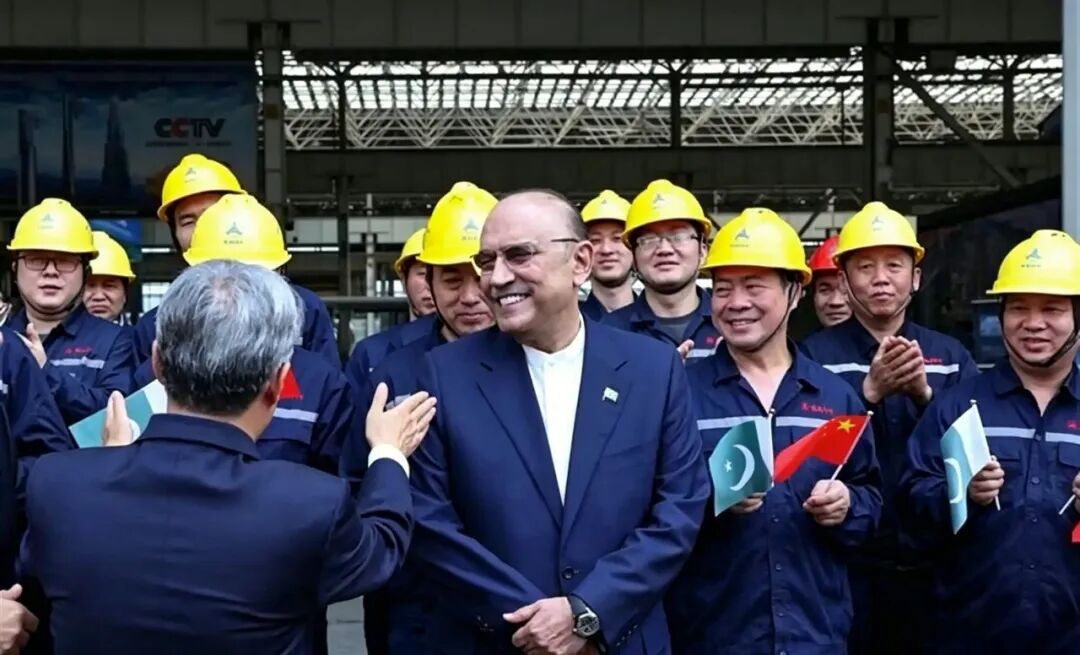
Pakistani president visits China in late April.
The traditional friendship between China and Pakistan was forged by the older generation of leaders of both countries and represents a precious asset and strategic resource for both nations and their peoples. On May 21, 1951, Pakistan became the first Islamic country to establish diplomatic relations with the People's Republic of China. This choice, made just over a year after the founding of PRC, laid the foundation for the development of bilateral relations over the subsequent seventy-five years.
The alignment of strategic interests constitutes the deep-seated driver for the continued close relationship between China and Pakistan, as both countries have supported each other on matters concerning their core interests and major concerns. The Sino-Pakistan Boundary Agreement signed in 1963 resolved the key issue of border demarcation. In 1971, Pakistan firmly supported China's restoration of its lawful seat in the United Nations.
In 2015, the two countries established an All-Weather Strategic Cooperative Partnership. Pakistan has always adhered to the One-China principle and supports China's vision of building a community with a shared future for mankind, as well as the Global Development Initiative, the Global Security Initiative, the Global Civilization Initiative, and the Global Governance Initiative. China reaffirms its firm support for Pakistan in safeguarding its national sovereignty, independence, and territorial integrity, and in its efforts to maintain national security, stability, development, and prosperity.
Now the international and regional situations are undergoing profound adjustments, and the Pakistani geostrategic value has become increasingly prominent, presenting opportunities for deepening China-Pakistan strategic cooperation. The intensive interactions between Pakistan's President/Prime Minister and their Chinese counterparts demonstrate that developing relations with China remains a strategic consensus in Pakistan.
The Pakistan-India conflict in 2025 increased the instability in South Asia's security landscape, with India continuing to exert security pressure on Pakistan. On the Afghanistan issue, Pakistan faces multiple pressures from counter-terrorism, border control, and communication with Afghanistan. The China-Pakistan-Afghanistan trilateral talk plays a key role in stabilizing the Pakistani neighborhood.
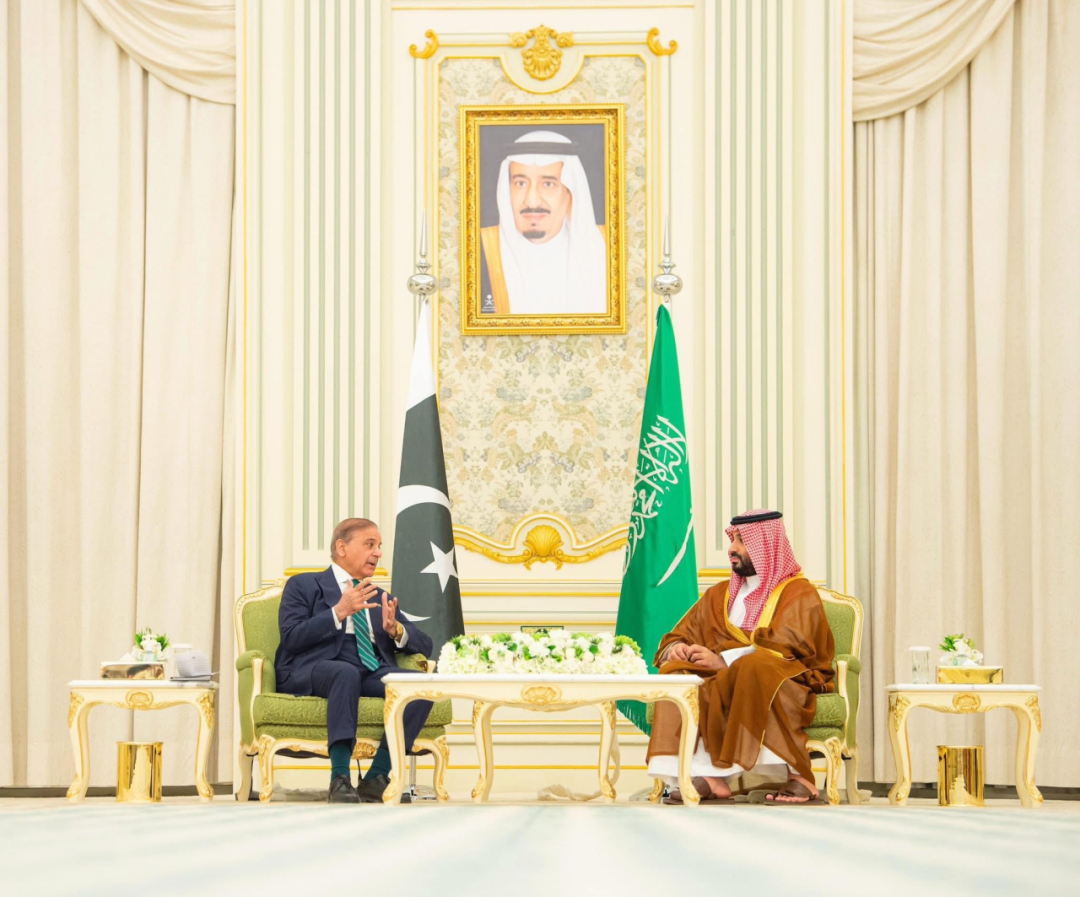
Pakistani Prime Minister Shehbaz Sharif meets with Saudi Arabia's Crown Prince Mohammed bin Salman.
Leveraging its multiple ties with Iran, Gulf states, and the United States, Pakistan played an active role in Middle East crises. As Pakistan's stature in the eyes of the US politicians has risen, some Indian media have suggested that Pakistan is "distancing itself from China." The intensive high-level exchanges between China and Pakistan themselves serve as a powerful response to the argument that "Pakistan is moving away from China." Regardless of changes in the international environment, developing relations with China remains a common choice across the Pakistani society.
For China, Pakistan is a priority direction in its neighborhood diplomacy and an important partner in maintaining security around China's western periphery and regional strategic stability. For Pakistan, stabilizing relations with China helps it cope with external pressures and maintain greater room for maneuver in a complex regional landscape.
Looking to the future, both sides will build an even closer China-Pakistan community with a shared future in the new era, deepening strategic coordination, industrial and technological cooperation, and livelihood projects, while coordinating development and security. This will enable the China-Pakistan relationship to better benefit the peoples of both countries and contribute to regional and world peace, stability, and prosperity.
(About the authors: Long Fengmu is a research assistant at the Shanghai Institute for International Studies; Wu Mengke works as an assistant research fellow at the same institute.)
