


How far is Laos from becoming an energy hub?
By Zu Hongbing |
Mekong News Network|


The China-Laos 500 kV interconnection project was officially put into operation on April 20. Under the framework of the electricity market, the two countries signed the China-Laos 500 kV Interconnection Power Trade agreement.
According to the deal, photovoltaic power from northern Laos can be delivered to Yunnan, China, through market-based transactions. It is expected that the delivery of Lao photovoltaic power to Guangdong will also begin in May. Additionally, Lao hydropower will also be sent to Guangdong in the flood season, with annual transmission reaching 1 billion kilowatt-hours.
This milestone not only marks the first time that foreign renewable energy has entered the electricity market in China's southern power grid region, but also injects strong momentum into Laos' energy transition, paving a solid path toward its vision of becoming a "clean energy hub" in the Mekong region.
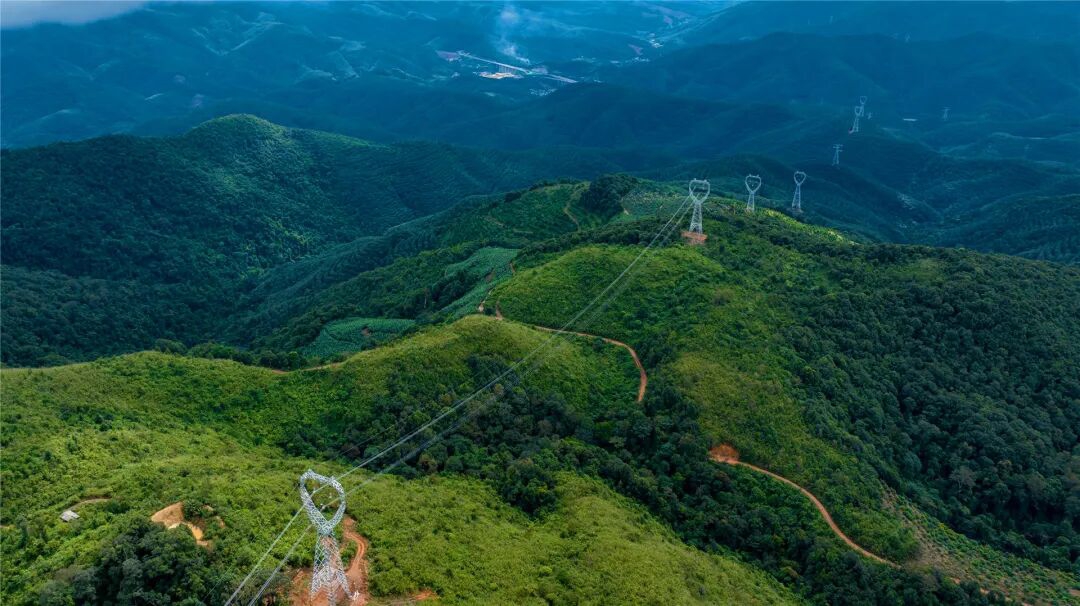
A view of the China-Laos 500 kV interconnection project
What energy challenges does Laos face?
According to Feng Yong, Director of the Institute of Lao Studies at the Yunnan Academy of Social Sciences, power infrastructure is crucial for Laos to realize its development blueprint.
As a landlocked country with mountainous terrain and abundant water resources, Laos is committed to establishing itself as an energy hub in Southeast Asia, striving to convert its resource advantages in hydropower, solar power, and wind energy into exportable electricity to neighboring countries such as Thailand and Vietnam.
However, Laos faces a sharp contrast between its dry and rainy seasons. During the rainy season, surplus electricity is difficult to be sold out, while during the dry season, the country suffers from insufficient power supply. With an energy mix that remains overly reliant on hydropower, Laos faces an urgent need for energy transition.
Feng Yong said a stable power supply would not only create new development opportunities for Laos' energy-intensive industries but also become a core competitive advantage in attracting foreign investment.
By entering the electricity market of China's southern power grid region, Lao energy companies can further align with regional market trading rules, improve their energy operations and management capabilities, and lay the groundwork for the market-oriented transformation of their energy sector.
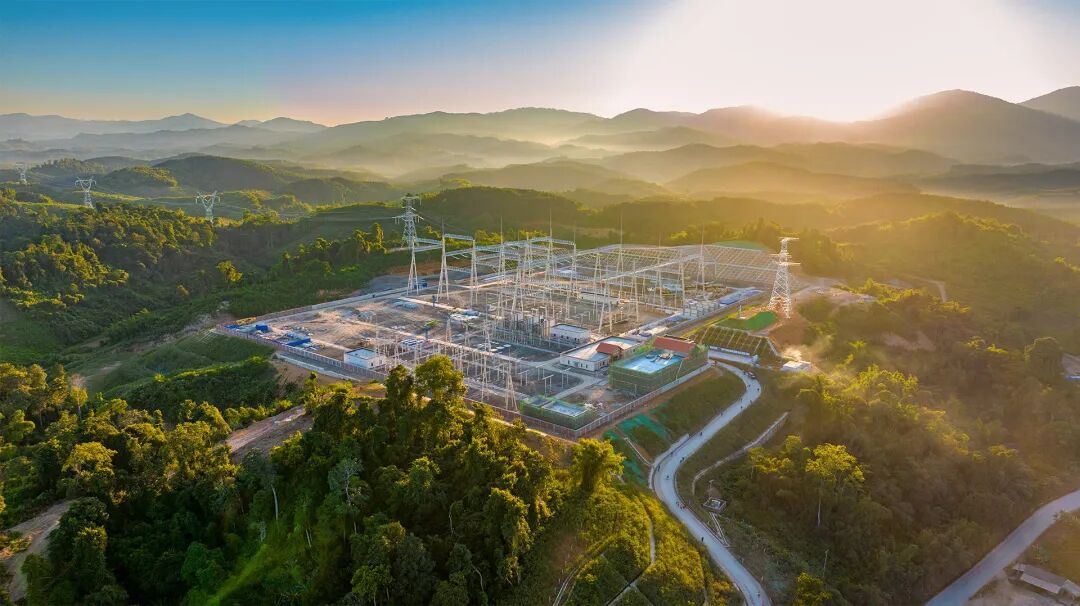
A view of the China-Laos 500 kV interconnection project
How far is Laos from realizing its vision?
The ongoing progress in cross-border clean energy transmission is helping Laos gradually realize its vision of becoming a regional energy trading hub.
Malaythong Kommasith, Minister of Industry and Commerce of Laos, said that thanks to the close cooperation and application of China's advanced technology, this project will help transform Lao power grid into a "green, modern, and resilient" model, supporting Laos in becoming a "clean energy hub" in the Mekong region.
As a flagship project for China-Laos connectivity under the Belt and Road initiative, the 500 kV interconnection project has not only established a power transmission link between Laos and China, but also laid the groundwork for power sharing between Laos and other ASEAN countries such as Thailand and Malaysia.
With Lao renewable energy delivered to Guangdong, Laos is steadily enhancing its energy export capacity and market influence, gradually transitioning into an "energy-rich nation."
Relying on a stable power transmission network and market-oriented trading mechanisms, Laos is becoming a core node in the clean energy configuration of the Lancang-Mekong region, accumulating experience and building momentum to realize a regional energy trading hub.
