


Can Nepal's traditional political parties still survive?


Elections for Nepal’s House of Representatives were held on March 5, when the emerging National Independent Party, or Rastriya Swatantra Party, achieved a landslide victory. Then, the party’s candidate, Balendra Shah, was sworn in as the new Prime Minister.
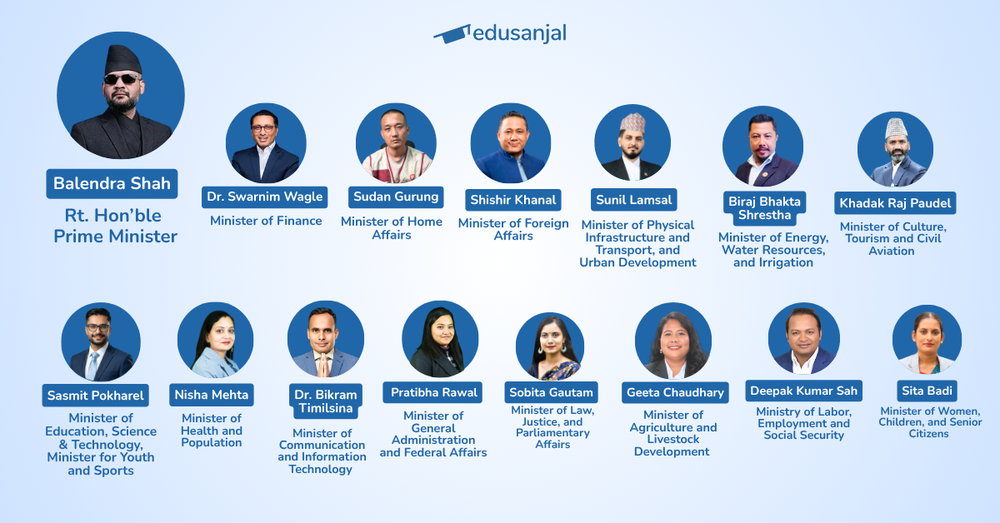
The new Prime Minister of Nepal and the Cabinet.
In stark contrast, the traditional political parties suffered a collective defeat. Despite this crushing electoral loss and growing public dissatisfaction, Nepal’s traditional parties seem to have learned no lessons and show no signs of changing their outdated modes of operation.
With the new government led by Balendra Shah rolling out an ambitious reform agenda, old-guard parties such as the Nepali Congress and the CPN-UML remain deeply mired in factional infighting, raising the question: What have these parties actually learned, even after their resounding defeat in the March 5 House elections?
After the Nepali Congress elected Gagan Thapa as its president at a special convention, the party’s internal divisions have not been resolved. Instead, it has become increasingly consumed by factional strife and debilitating infighting.
Following the arrest of CPN-UML chairman Oli, grassroots party members chose not to trust the judicial process or seek legal recourse, but instead took to the streets in protest. This highlights the party’s continued adherence to the outdated mindset of “street politics.”
Political analysts believe that although Nepal’s traditional parties have suffered major setbacks in recent elections, they remain trapped in old political logic and have failed to rebuild public trust.
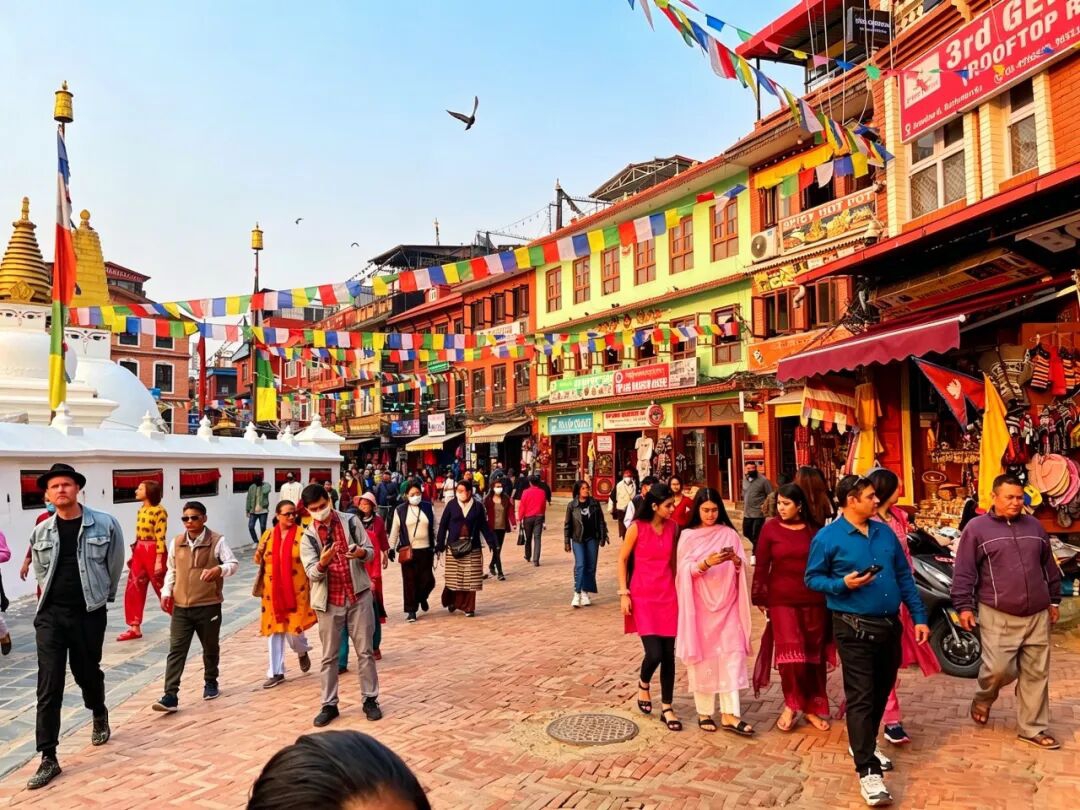
People have leisure on a Nepalese street.
The old-guard parties need not just superficial reforms but deep self-reinvention. If these parties fail to recognize the necessity of adaptation and reinvention, their survival will be seriously threatened.
The root cause of the traditional parties’ collapse lies in their severe dereliction of duty while in power. Over the past decades, these parties have lacked people-centered governance and have been powerless to curb corruption, ultimately leading to their complete rejection by the public.
Gururaj Ghimire, General Secretary of the Nepali Congress, admitted, “If these parties do not reform and continue to maintain the status quo, they will face defeat again in next year’s local and provincial elections.”
While traditional parties cling to shortsighted thinking and internal strife, the Balendra government has begun delivering on its campaign promises. On March 28, the government unveiled a 100-point action plan, implementing the National Independent Party’s electoral pledges.
The National Independent Party currently holds no seats in provincial governments. However, this will change next year. Nepal’s Election Commission has begun preparations for next year’s elections, and the National Independent Party is expected to expand its influence at the provincial level.
(The writer Zhang Shubin is director at Nepal Study Center, Hebei University of Economics and Business.)
