


Sugar ban shows India lacks credibility as a major power


The directorate general of foreign trade under the Indian Ministry of Commerce and Industry issued a ban on sugar exports on May 13. The export of raw sugar, white sugar, and refined sugar is prohibited until September 30.
Data shows that India’s sugar industry is not in crisis, nor is Indian society facing a sugar shortage. According to the Indian Sugar Mills Association, by April 30, 2026, India’s sugar production for the current crushing season had reached 27.53 million tons, up about 7% year-on-year.
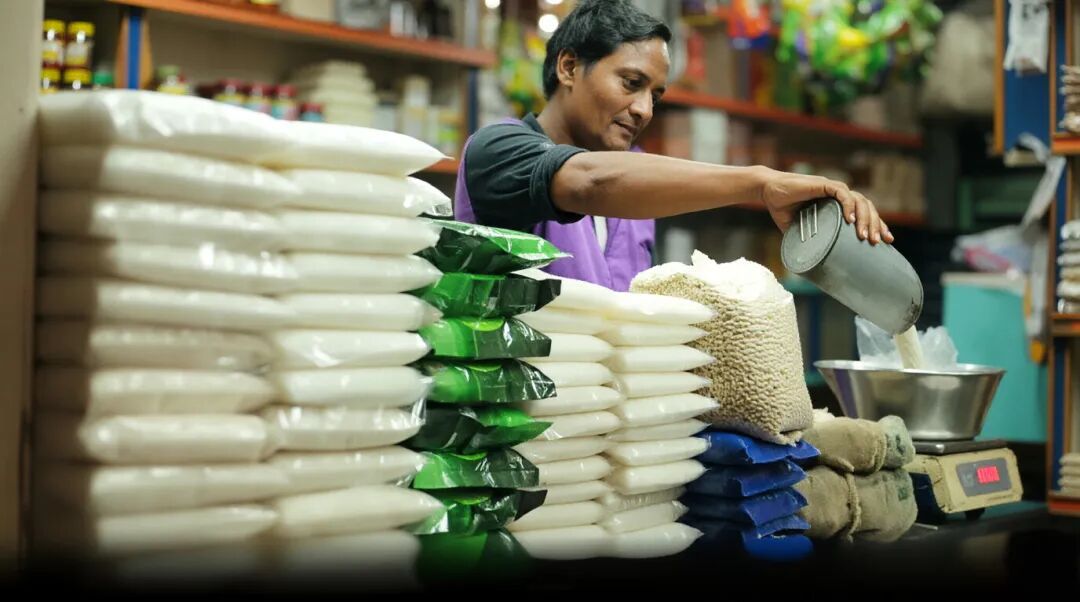
An Indian retailer sells white sugar.
Thus, the Indian ban appears more like a preemptive regulatory measure by the government to ease domestic sugar price pressures when recent production fell short of expectations. In fact, India has for years responded to fluctuation in domestic prices or inventory expectations with export restrictions.
In May 2022, India banned wheat exports citing domestic supply and price pressures, and it only partially lifted the ban through a quota system in February 2026.
Shortly before India announced the sugar export ban in May, it had in February approved an additional 500,000 tons of sugar export quotas. The sharp contrast in policy and the decisiveness of its actions demonstrated India has become “skilled” at restricting agricultural exports.
India’s sugar export ban may appear proactive — a responsible move by the government to preempt food price risks and protect domestic consumers — but in reality, it comes at the expense of Indian agricultural workers and consumers in developing countries.
In the short term, the export ban keeps more products at home to serve economic stability goals. But in the long run, it steadily erodes India’s commercial credibility as a reliable supplier.
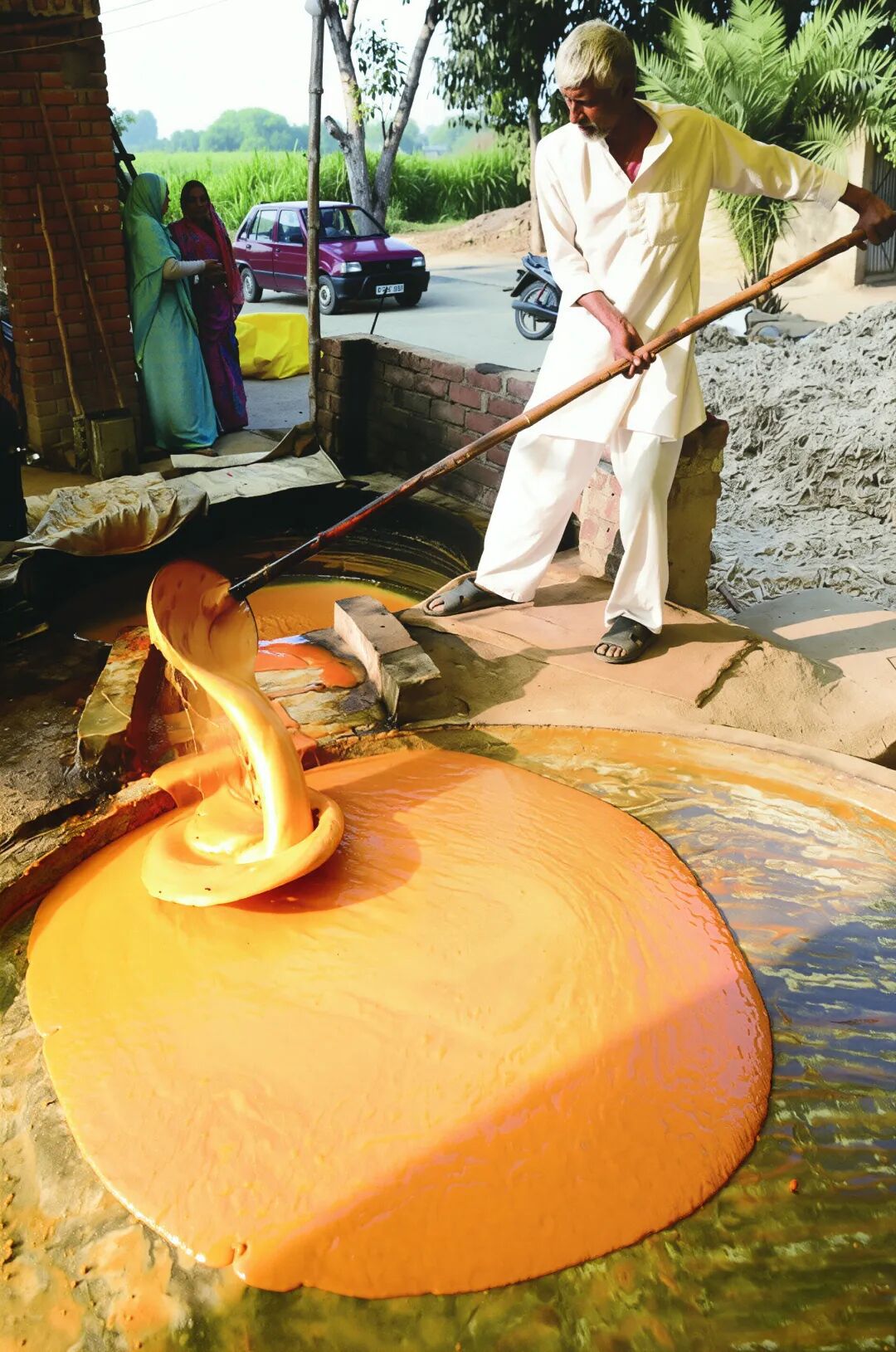
An Indian farmer produces brown sugar.
India’s raw sugar is primarily exported to Indonesia, Bangladesh, Saudi Arabia, Iraq, and Malaysia; its white and refined sugar are exported to Afghanistan, Somalia, Djibouti, Sri Lanka, Sudan, and others.
Buyers in Asia and Africa will increasingly turn to alternative sources such as Brazil and Thailand, and may even reconsider building up their own national reserves or self-sufficiency capacities.
The loss of commercial interests and reputation is not the whole story. India has in recent years repeatedly emphasized its role as a leader of the Global South, a force for regional stability, and a reliable supply chain partner — yet it sends the opposite signal in agricultural trade.
A slight fluctuation in domestic prices or inventory expectations leads to an executive order cutting off external supply. This is especially painful for India’s neighbors in South Asia, who heavily rely on Indian supplies of daily necessities.
Every time India pursues a “beggar-thy-neighbor” policy — trading regional supply tensions for domestic stability — it forces other countries to reassess whether reliance on India is safe. In doing so, India undermines its own image as a stable supplier and a responsible “major power.”
(The author Zhang Qianhe is a Ph.D. student at the Center for International Studies, Sciences Po Paris Graduate School.)
