


Kunming-Kolkata direct flight -- So far yet so near


After a six-year-long hiatus direct flight is starting between Kunming and Kolkata on April 18, and there could not have been a better timing than this. The six-day-long 10th China-South Asia Exposition (CSAE) is starting on June 11, one of the biggest trade events in this part of the world. India and all other South Asian countries are participating in the mega event, for which the daily flights between the two nearest sister cities of the two fastest-growing economies of the world will be a sort of catalyst.
This official flight, operated exclusively by China Eastern Airlines, has restored a vital international link that was suspended six years ago due to the pandemic and other extraneous reasons. Barring Tuesday, the daily flight takes only 2 hours and 45 minutes, shorter than many domestic flights in both India and China! May is also generally identified as the most affordable month to fly on this route.
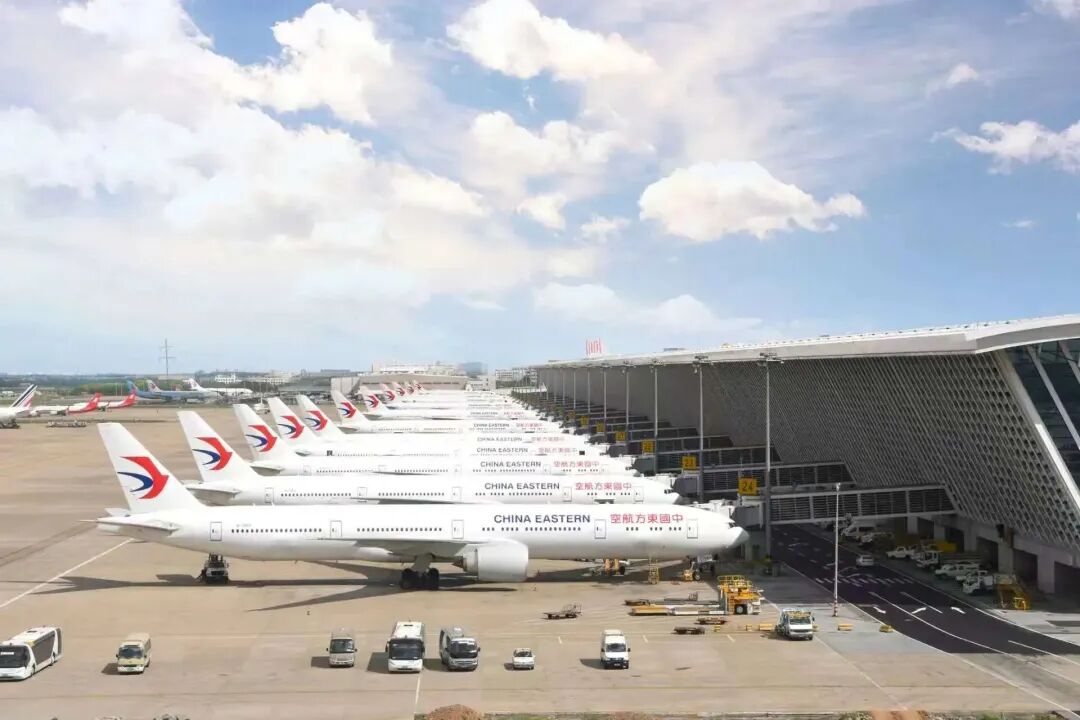
An array of China Eastern Airlines flights
Catalyst for economic cooperation
The event is a major trade platform co-hosted by China's Ministry of Commerce and the Yunnan Provincial People's government. The expo serves as a comprehensive platform for both B2B and B2C engagements across numerous industries in Manufacturing & Tech, Consumer Goods, Food & Agriculture, Medical & Health and Regional Specialties. The expo expects thousands of enterprises from over 50 countries and regions to participate, highlighting Yunnan's role as a gateway to the Indian Ocean region.
Kunming- Kolkata route serves as a primary logistical link between India—South Asia's largest economy—and Kunming, the permanent host city of the expo and gateway to Southeast Asia and South Asia. The nonstop flight considerably shortens the journey for business delegates, who previously relied on multi-stop connections involving long hours of flight, halts in third countries at the cost of their time, energy and money too. As far as timings are concerned, Kunming is 2 hours and 30 minutes ahead of Kolkata and the aerial distance is approximately 1,480 km. Other stop-over routes through third countries take 8.5 hours.
Direct air links, lower logistics barriers for high-value, time-sensitive goods like pharmaceuticals and fresh produce, which are often showcased or traded during the expo. Kunming is positioning itself as a gateway for Southwest China and beyond while Kolkata serves as the commercial hub for Eastern and Northeastern India, which together comprise the maximum number of provincial states. There is always high demand for air travel between the two countries, primarily for trade, business and tourism.
Business travellers arriving in Kunming from Kolkata can also access China Eastern's extensive network to other trade hubs like Shanghai, Beijing, Guangzhou and beyond. Travel industry experts note that direct access makes Kunming a far more viable destination for MICE (Meetings, Incentives, Conferences and Exhibitions) tourism, directly benefiting attendance at large-scale events like the expo. The flights are expected to drive momentum for people-to-people and cultural exchanges, which are core themes of the expo's mission to strengthen regional ties. In a broader sense, this link strengthens the Bangladesh-China-India-Myanmar (BCIM) Economic Corridor. Incidentally, this time Bangladesh is the theme country for the expo. As if by coincidence, Bengali is the common language of Bangladesh and most parts of eastern India, led by Kolkata.
Booster for cross-border tourism
Apart from trade, Kunming is also at its peak tourist season, with spring (March to May) offering mild temperatures and clear skies. Summer (June to August) is also popular, acting as a cool retreat from hotter regions. But the year-end will see more tourists in both Kolkata and Kunming with pleasant weather and a series of festivals on either side. Revival of the direct flight will come as a boon for pleasure seekers and explorers in both countries.
Direct flight services in general, between India and China, had fully resumed about a year ago. Major airlines, including IndiGo, Air India and Air China, now operate non-stop routes connecting key cities like Delhi, Kolkata, Shanghai, Beijing and Guangzhou. After Kolkata to Kunming, Mumbai to Shanghai direct flight is planned for launch later this year, with airlines currently working through final regulatory approvals.
Apart from the expo, the Kolkata-Kunming direct flight can also offer connecting flights with airlines like Thai AirAsia and Thai Airways via Bangkok. Major carriers in these routes include China Eastern, Thai AirAsia, Thai Airways, and Singapore Airlines. Kunming Changshui International Airport is located about 28 km northeast of the city centre, taking only about 40–45 minutes by car or taxi. Similarly, Kolkata airport is also close to the main city for further journey or stay.
I remember when I landed at Kolkata airport, I saw Chinese and Indian guides holding yellow flags leading groups of Chinese tourists. During my visits to Kunming, I have seen groups of Indian tourists, mainly families, enjoying the spring city in pre-pandemic days.

A vessel of Indian colors
New bond of cultural exchanges
Going back to recent history, Kolkata and Kunming established sister-city relations way back in 2013, to foster cooperation in education, culture, urban planning and trade. This partnership, often linked to the proposed Bangladesh-China-India-Myanmar (BCIM) economic corridor, aims to enhance economic ties between West Bengal and Yunnan province. The partnership connects Kolkata, the commercial hub of eastern India, with Kunming, the capital of Yunnan province in Southwest China, which serves as a major regional trade centre. The agreement focused on strengthening ties in public policy, education, health, science and technology, tourism, and culture. The partnership aims to facilitate the "Southern Silk Route," reviving trade and economic cooperation.
Kolkata also has the historic “Chinatown”, primarily located in Tangra, known for authentic Indo-Chinese cuisine (Calcutta-Tangra style). It was established by 18th-century Chinese immigrants and features famous restaurants like Kim Fa and Big Boss. Tangra is famous for its vibrant street food and bustling narrow alleys.
Because of the historic links and similarities of the civilisation’s tourist flow from Kolkata to Kunming was also growing, driven by Bengali and other travellers exploring China for culture and, specifically, the Spring City’s charms. Prior to the pandemic there were as many as 38 daily flights via carriers like Thai AirAsia, Singapore Airlines and China Eastern. Connections were robust and fares were often competitive, especially around March.
The route was highly popular with tourists seeking new, unique destinations beyond traditional Southeast Asian hotspots. Visitors typically spend 3–4 days exploring the Stone Forest, Dianchi Lake, Green Lake Park and the Yuantong Temple. Historically, this was one of the most popular sectors for both business and leisure travel between eastern India and southwestern China.
Indian tourist arrivals in China are projected to increase by over 30% in 2026, driven by improved air connectivity and a broader diplomatic "thaw".
(The writer Nayak Chayakanta is president of the Indian Journalists Association.)
