


Thailand cuts visa-free stay out of security concern


According to media reports, the Thai Cabinet has decided to cancel the 60-day visa-free entry policy previously granted to citizens of over 90 countries, reverting to the original standard of 30 days.
This policy adjustment represents a strategic choice by Thailand to strike a balance between security assurance and economic development, and constitutes a necessary measure to enhance the country's governance capacity.
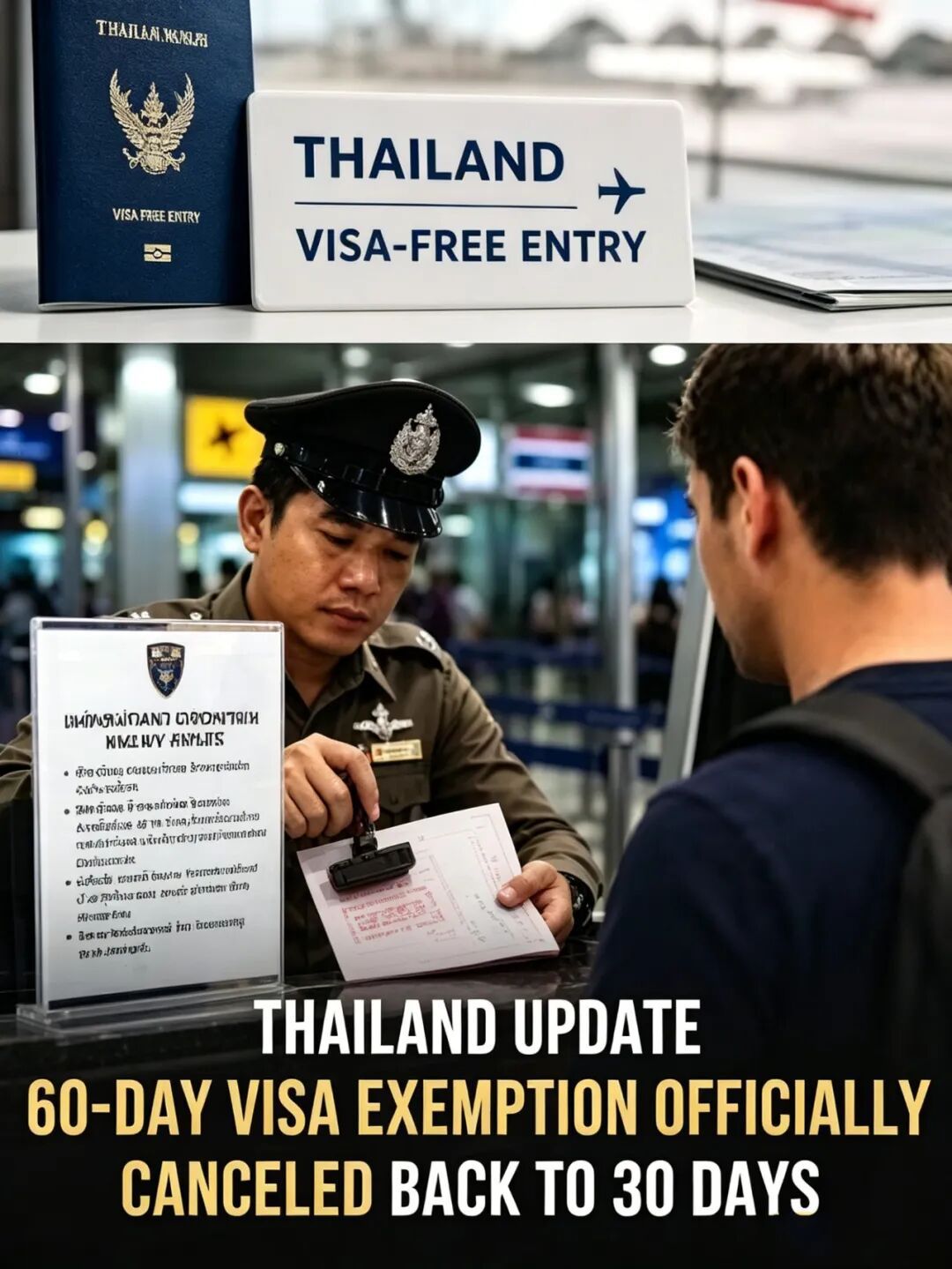
A Thai window to handle visa-free entries
In July 2024, the Thai government announced an extension of visa-free stay to 60 days for citizens of 93 countries and regions, including China, up from the previous 30 days. The extended stay was granted to tourists, business persons, and temporary workers.
This policy was introduced to recover Thai tourism in the post-Covid days, and thus enhance Thailand's competitiveness in regional tourism. By simplifying entry procedures and extending stay durations, Thailand strengthened its edge as a top tourist destination in Asia-Pacific.
However, the implementation of this policy has also brought a series of practical challenges. While extending visa-free stays facilitates travel for tourists, it also increases border management and security risks. Longer stays raised the likelihood of illegal employment, unlawful residence, and cross-border crime.
Since early 2025, Thai police have cracked down on multiple cases in Bangkok, Pattaya, Chiang Mai, and other locations, where foreign nationals used the visa-free long-term stays for illegal activities. This led to widespread criticism from the Thai public.
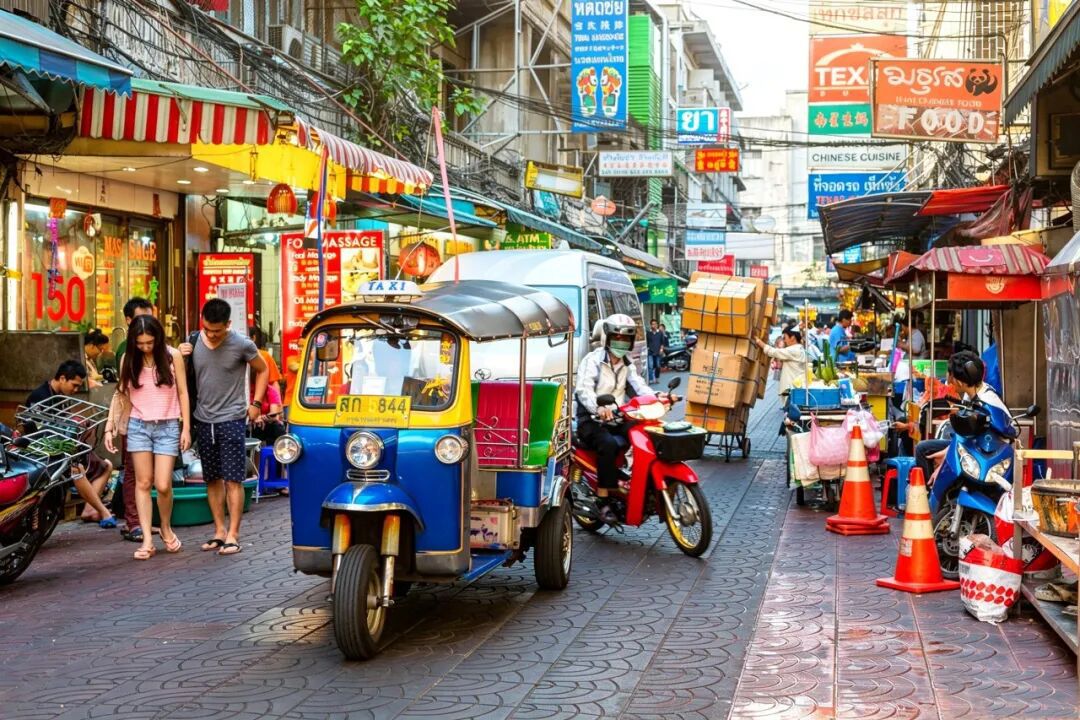
An urban view of Thailand
Tourism recovery cannot come at the expense of public safety. The Thai government decided to revert to 30-day stays even before the tourism sector had recovered to pre-Covid levels. This shows that beyond the "economic ledger," there is an even more important "social ledger" that must be considered. The two should be carefully balanced.
Alongside this policy adjustment, the Thai government has established a visa policy committee that will conduct country-by-country reviews, taking into account both security and economic factors. The visa committee marks Thai shift from a "universal" visa-free approach to a "refined" and "differentiated" country-specific management.
Thailand's visa policy adjustment demonstrates that its visa regulations serve its national interests. While extending visa-free stays was intended to boost the economy, shortening them is meant to ensure security. The decision-making logic has always been grounded in Thailand's own national interests, not targeting any particular country.
A country's visa-free policy requires a well-established supporting framework, including dynamic post-entry monitoring, a penalty mechanism for overstays, and the capacity to detect and crack down on illegal employment. Without a such framework, the potential risks of visa-free policy may accumulate, forcing the policy to revert.
(The author Yu Haiqiu is researcher at the Institute for Thai Studies, Yunnan Academy of Social Sciences.)
