


Why Indonesia needs an aircraft carrier


On April 28, the Italian Parliament formally donated to Indonesia the aircraft carrier Giuseppe Garibaldi, which has been in service for over 40 years. Indonesia will become the second country in Southeast Asia, after Thailand, to possess a full-deck aircraft carrier.
In recent years, the Indonesian military has clearly articulated its goal of building a "Blue Water Navy." To meet its "Minimum Essential Force" requirements, Indonesia plans to build a fleet of 274 vessels, along with 10 fighter squadrons and 12 new diesel-electric submarines.
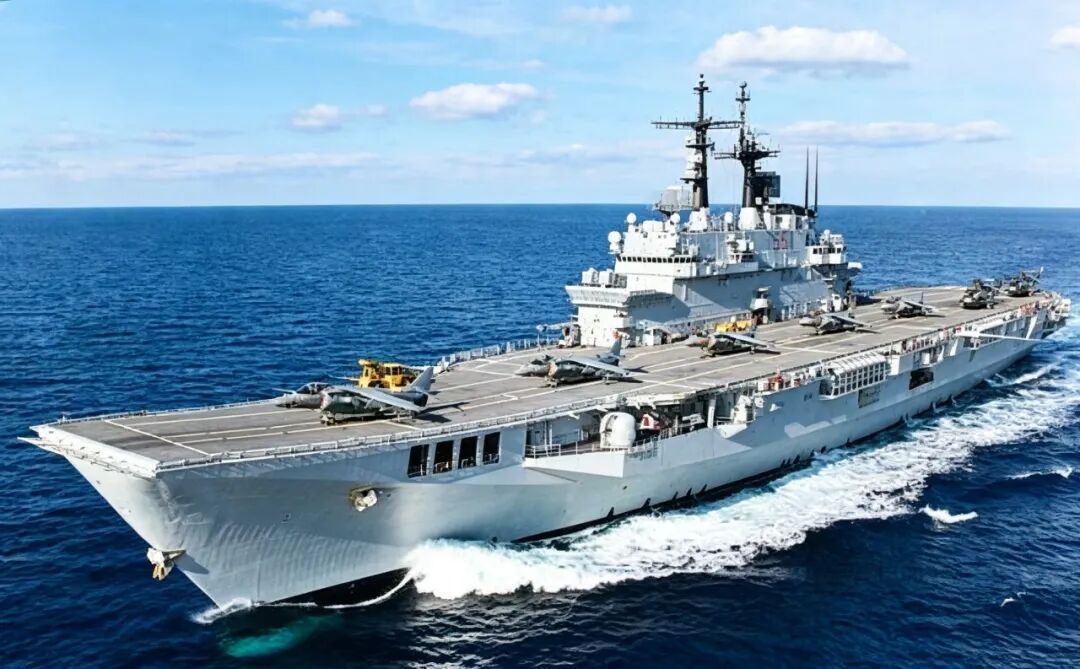
The aircraft carrier Giuseppe Garibaldi
The carrier as a symbol of status
Within this ambitious blueprint of Indonesia, the aircraft carrier is not only a flagship but also a symbol. It marks a historic leap for the Indonesian navy from coastal defense to power projection. Possessing an aircraft carrier — even a retired small one — means Indonesia will join the exclusive club of "carrier-owning nations" in the world.
This symbolic significance holds irresistible appeal for Southeast Asia's largest economy, which harbors great-power aspirations. The carrier will accelerate the transformation of the Indonesian navy, giving the country a greater presence in relevant maritime areas.
Once Indonesia acquires a carrier capable of operating armed reconnaissance drones, it will become the only country in Southeast Asia with such capability. Thailand's HTMS Chakri Naruebet, whose AV-8S carrier-based aircrafts have long been retired, has effectively become a large helicopter carrier.
This move by Indonesia could prompt countries such as Singapore and Malaysia to reassess their own naval development paths. Given the differences in financial capacity and strategic needs among Southeast Asian nations, however, the likelihood of a large-scale arms race is low.
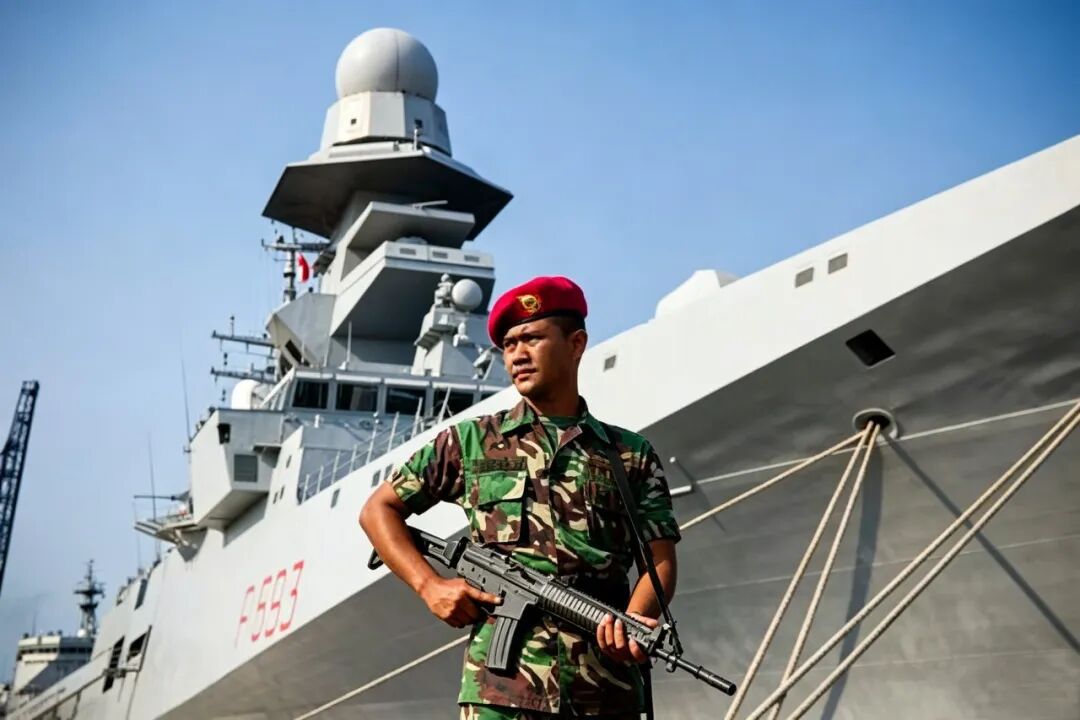
An Indonesian soldier
Strategic calculations behind the carrier
Italians are not engaging in a losing transaction. By donating an aging carrier soon to be decommissioned, they are leveraging a subsequent military sales package worth approximately €1.5 billion, including submarines and military aircrafts.
In 2025, Italy delivered two PPA patrol vessels to Indonesia. The carrier donation is a key link in the defense cooperation chain between the two countries. Italy's calculus is clear: Rather than spending tens of millions of euros to scrap the ship, it prefers to use the "free" hull to secure a long-term customer in military sale.
Indonesia has its own strategic consideration. The Indonesian decision of accepting the Italian carrier reflects the country's "free and active" foreign policy. Against the backdrop of intensifying great-power rivalry, diversifying weapons procurement is an important means for Indonesia to maintain its strategic autonomy.
While acquiring the Italian carrier, Indonesia continues to introduce frigates from China, upgrade its defense partnership with the United States, collaborate with Turkey on drones, and purchase Rafale fighter jets from France. By placing multiple bets and taking what it needs from each, the country presented a true picture of its balancing diplomacy.
About the authors: Xiao Qin is a lecturer at the School of Foreign Studies, Hefei University of Technology; Luo Shengrong is a researcher at the Institute of International Relations, Yunnan University.
