


Why Pakistan dares to mediate between the US and Iran?


Over the past month, Pakistan has been in the international spotlight. Initially relaying messages between the US and Iran, Pakistan then engaged in extensive shuttle diplomacy among Gulf states, and finally hosted representatives from both the US and Iran in Islamabad, facilitating face-to-face talks between the two sides.
However, the process of promoting a second round of US-Iran negotiations has been fraught with setbacks. Despite the ups and downs, Pakistan’s efforts have largely reduced hostilities between the US and Iran and led to a fragile, temporary ceasefire.
Now the "Islamabad channel" remains the most likely and viable route for follow-up negotiations between the US and Iran, with Pakistan continuing to push for a ceasefire and an agreement. To some extent, the US and Iran’s acceptance of Pakistan as a mediator is a move born out of necessity.
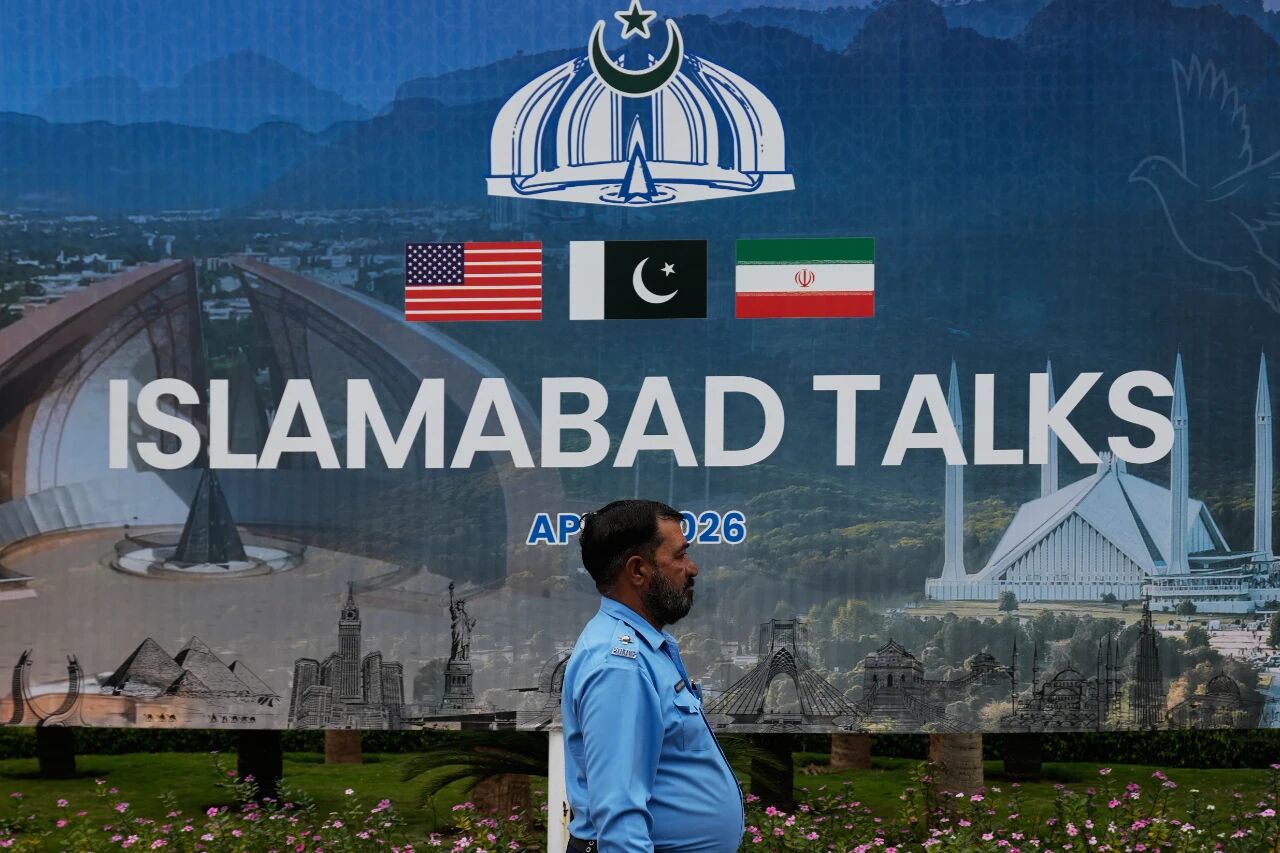
A poster of the Islamabad talks between the US and Iran
History has chosen the "Islamabad channel"
After the US and Israel launched a war against Iran on February 28, Oman’s Foreign Minister Badr repeatedly criticized the US and Israel in the media, refuting various excuses from the White House. He straightforwardly called it "an illegal war." Due to Oman’s criticism of the US and Israel, Oman could not serve as a viable option for mediating US-Iran talks.
Qatar, hosting the largest US military base in the Middle East (Al Udeid Air Base) and being a "major non-NATO ally" of the US, is no longer seen by Iran as an impartial party. Moreover, Qatar itself believes the returns from mediation are minimal while the stakes are extremely high, so it has refused to act as a public intermediary, preferring to play a secondary role.
Against this backdrop, Pakistan emerged as a natural mediator between the US and Iran. Pakistan’s Army Chief of Staff, General Munir, enjoys a high degree of trust and favor from President Trump, and there are no US military bases or similar facilities on Pakistani soil. Equally important, Pakistan’s criticism of the US and Israel following the outbreak of the war won Iran’s favor, leading Iran to ultimately accept Pakistan as the mediator.
Historically, Pakistan has been playing the role of a "broker" between hostile camps. The "Pakistan channel" that facilitated the establishment of Sino-US diplomatic relations was well known. During his tenure as Prime Minister, Imran Khan proposed the so-called "Bridge Strategy," which centered on playing a mediating role in building bridges between Saudi Arabia and Iran, within the Islamic world, and even between China and the US.
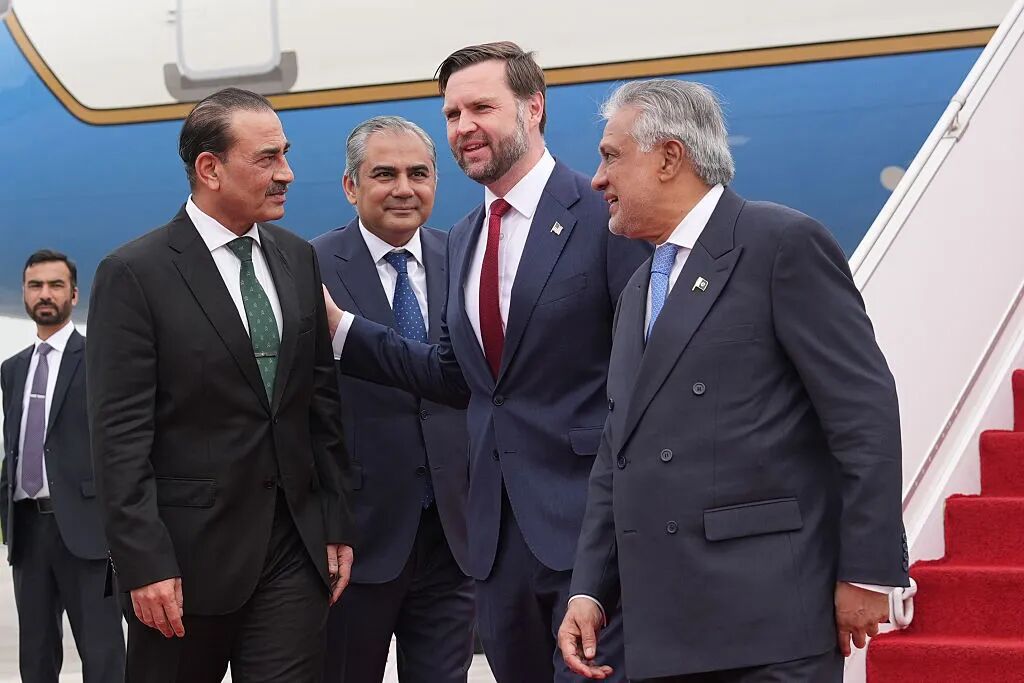
The US and Iranian representatives meet in Islamabad for talks.
India-Pakistan competition in the Middle East
After the brief 5.7 conflict between India and Pakistan broke out in 2025, Pakistan’s military capabilities were thoroughly demonstrated, puncturing the bubble of India’s vaunted "military power." Amidst the warming US-Pakistan relations, Pakistan has expanded diplomacy beyond South Asia, increasing its diplomatic and military presence in the Middle East.
On September 18, 2025, Pakistan and Saudi Arabia signed the "Joint Strategic Defense Agreement" in Riyadh, the Saudi capital. This collective defense military agreement strengthened the defense alliance between Pakistan and Saudi Arabia. Moreover, Pakistan pledged to provide an indirect nuclear umbrella for Saudi Arabia, impacting the balance of nuclear power in the Middle East.
Pakistan also joined hands with Turkey and Azerbaijan in establishing a trilateral mechanism. In May 2025, Pakistani Prime Minister Shehbaz Sharif participated in the second trilateral summit in Azerbaijan, where consensus was reached on regional security, connectivity, and energy cooperation. Through this mechanism, Pakistan further strengthened its strategic coordination with Turkey in the Middle East and Central Asia, expanding its geopolitical influence in the Middle East.
These breakthroughs have not only deepened Pakistan’s cooperation with major Middle Eastern countries but have also transformed Pakistan from a "bystander in Middle Eastern affairs" into a "key participant." As Pakistan plays a greater role in mediating between the US and Iran, it has become an important balancer of the power and strategic landscape in the Middle East.
(The author Lin Minwang is a researcher at the Institute of International Studies, Fudan University.)
