


Cambodia, Thailand design framework to manage differences


On the eve of the 48th ASEAN Summit, Cambodian Prime Minister Hun Manet and Thai Prime Minister Anutin Charnvirakul held talks in Cebu on May 7. Hosted by Philippine President Ferdinand Marcos Jr., the rotating ASEAN chair, this meeting was a "rare one" between the two leaders since the border conflict between Cambodia and Thailand last year.
Beyond the spotlight of ASEAN’s multilateral stage, the direct dialogue between the Cambodian and Thai leaders is not meant to declare an end to their dispute, but rather to jointly design an institutional framework to prevent miscalculation and manage differences, following the shock of armed conflict in their bilateral relations.
This meeting is underpinned by a sober recognition by both countries of their “trust deficit,” a shared sense of urgency over new risks arising from old border issues, and a pragmatic commitment to safeguarding the broader stability of the Lancang-Mekong region.
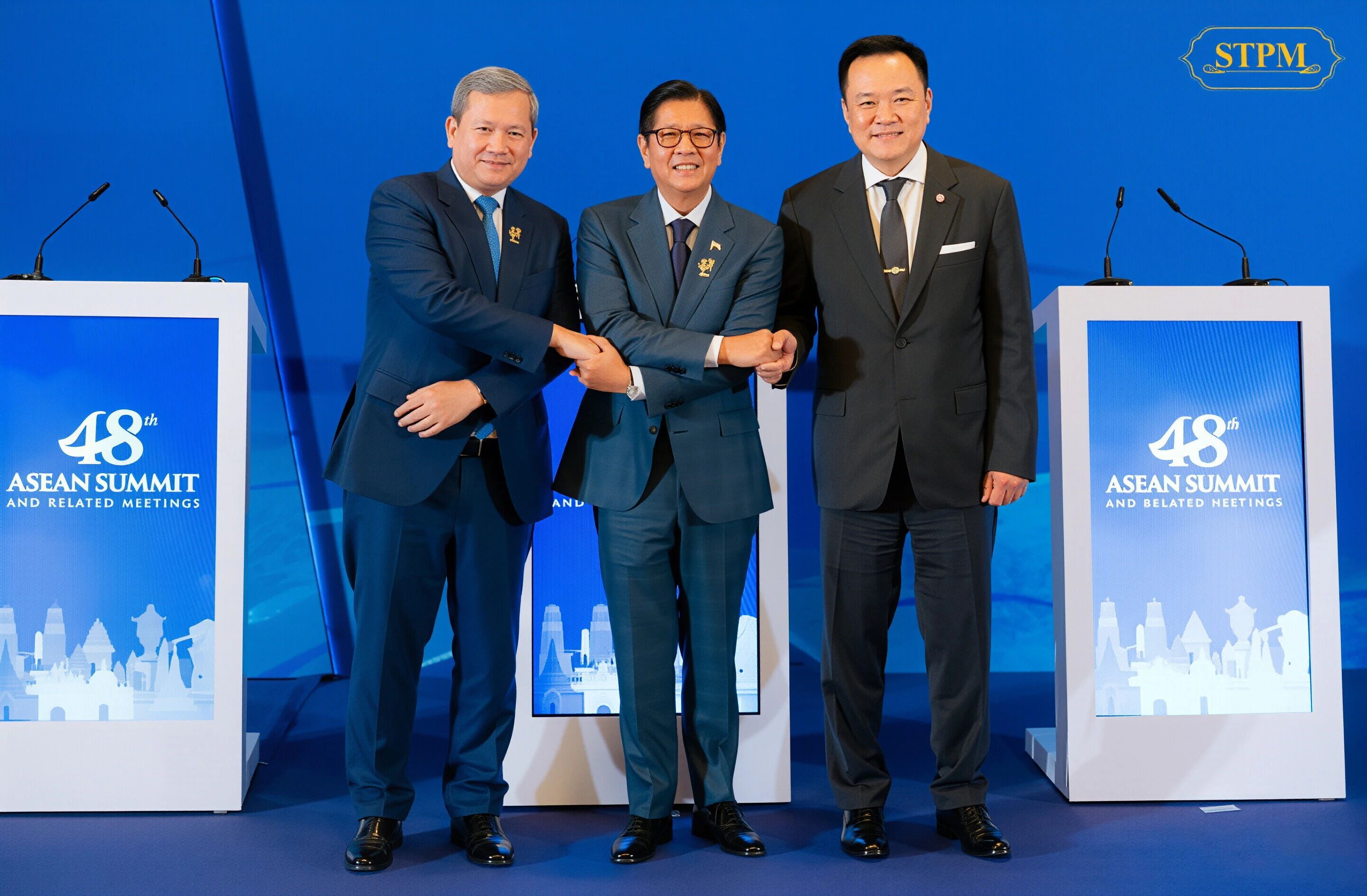
Cambodian Prime Minister Hun Manet and Thai Prime Minister Anutin Charnvirakul meet in Cebu on May 7, with Philippine President Ferdinand Marcos Jr. being the host.
Has Cambodia-Thailand peace truly arrived?
From a Southeast Asian perspective, this meeting between Cambodia-Thailand leaders carries deeper considerations by the ASEAN countries. The most pressing issue facing ASEAN today is the Myanmar crisis, with the ASEAN members caught in the middle. If the Cambodia-Thailand border dispute escalates further, it would create a second pressure for ASEAN.
By choosing to sit down and talk at this time, the two leaders aim to prevent the border dispute from quietly escalating on the regional agenda. This could set an example within the Lancang-Mekong Cooperation (LMC) mechanism and the ASEAN framework for neighboring countries to manage differences and prevent crisis spillover. Marcos stated at a post-meeting press conference that the two leaders demonstrated a "clear and firm belief that the time for peace has arrived, and it is no longer a time for war."
The year 2026 also marks the tenth anniversary of the first LMC Leaders' Meeting. Since its launch in 2016, the mechanism has developed a mature and stable "3+5+X" cooperation framework. Cambodia and Thailand are key members of the LMC, and the easing of their relations will be conducive to joint development of resources in the Gulf of Thailand and the security environment of cross-border economic corridors.
In April 2026, Chinese Foreign Minister Wang Yi visited Cambodia and Thailand. The trip elevated the China-Cambodia "2+2" strategic dialogue to a "3+3" mechanism and reached important consensus with Thailand on promoting peace talks. The Cebu meeting and the Chinese efforts complemented each other, jointly contributing to regional peace and stability.
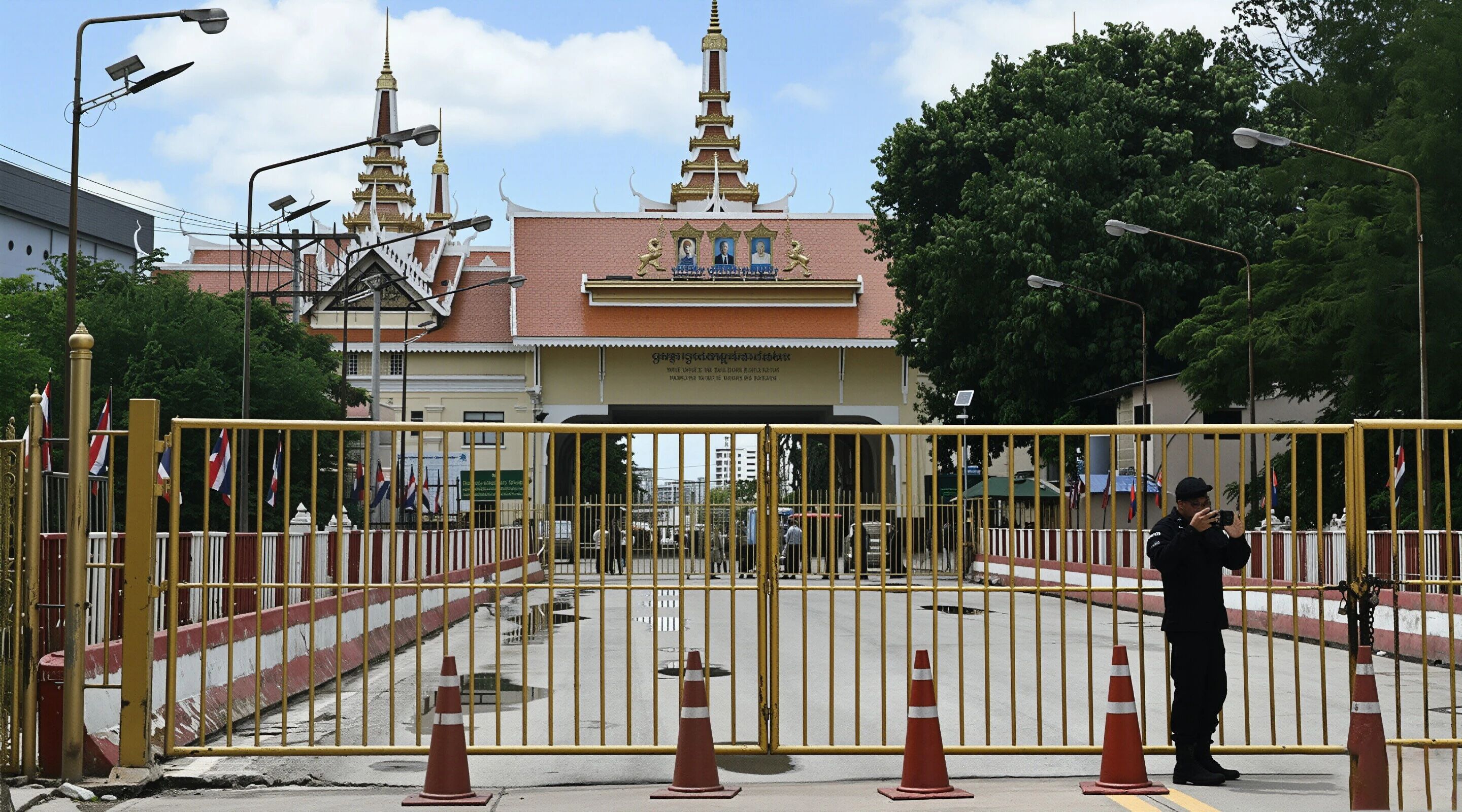
A Thai boder gate to Combodia is closed following the border conflict between Cambodia and Thailand last year.
The key lies in whether promises can be kept
The purpose of the Cambodia-Thailand leaders' meeting is not to declare an end to the border dispute—something unlikely in the foreseeable future. The more pragmatic intention is that both countries, sensing the risk of losing control over their relations, have decided to jointly build a risk guardrail before a complete derailment.
This guardrail consists of a "list of confidence-building measures" led by the two foreign ministers, a rule-based framework anchored in the UN Convention on the Law of the Sea (UNCLOS), a ceasefire commitment throughout negotiation phases, and an institutional network of multi-tiered direct communication. The function of the guardrail is not to eliminate differences but to keep them within manageable bounds.
The Lancang-Mekong region has been marred by historical complexities, national sentiments, and external variables, and the meeting’s pragmatic approach of turning potential risks into institutional building is precisely the most valuable action in a turbulent world.
As Anutin said, "Conflict only brings loss and pain. Now is the time for the two countries to join hands and open a new chapter in their relations." Whether the promises and commitments can be translated into verifiable action will be the true test of the meeting's value.
(The author Liang Yajie is a researcher at the Center for Cambodian Studies, Yunnan University.)
