


China's butterfly valley ushers in emergence of 100 million


Every year from May to June, China's Honghe Butterfly Valley enters the peak period of butterfly emergence. Tens of millions of butterflies dance gracefully in the air, presenting a rare ecological wonder.
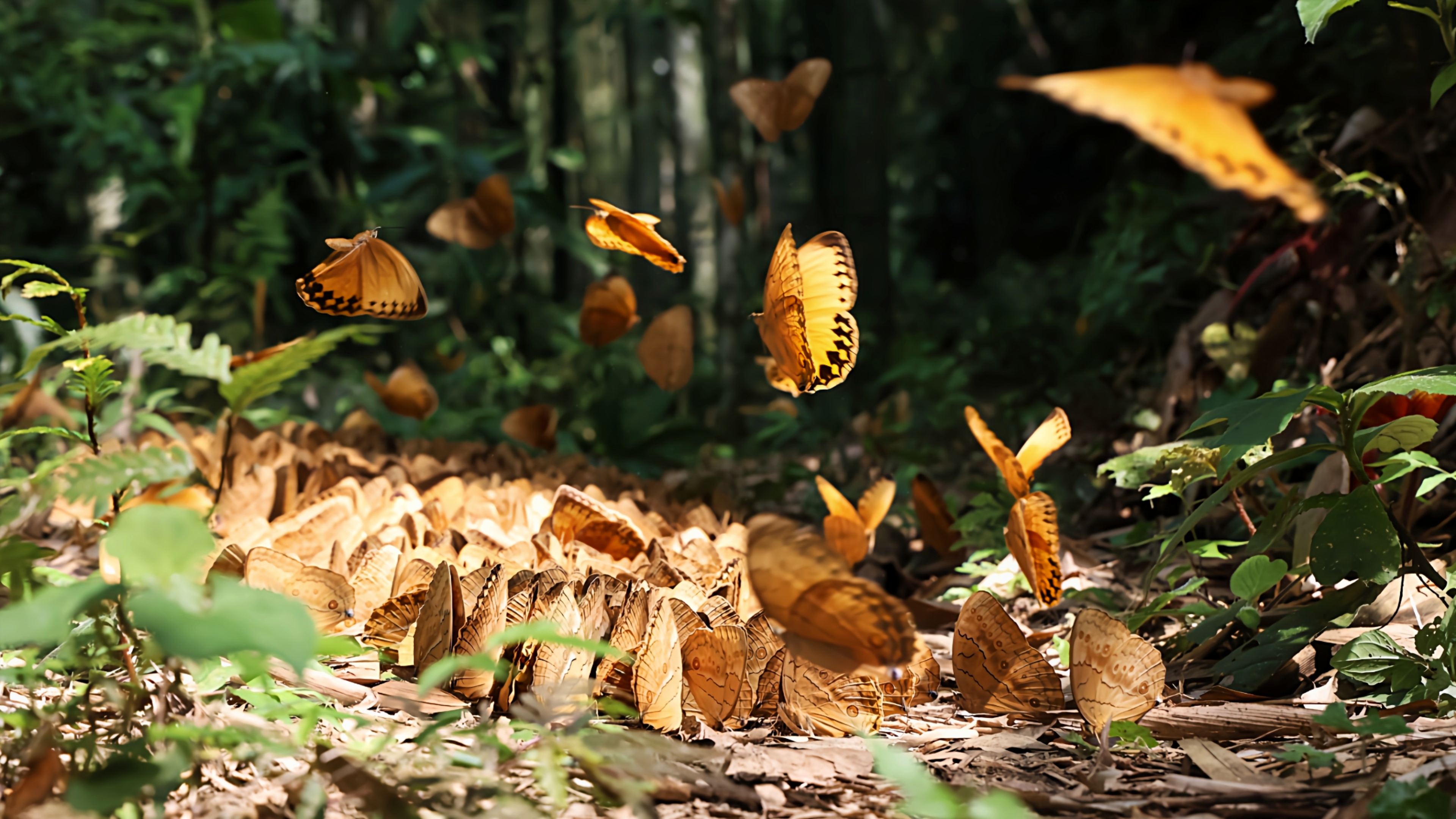
Countless butterflies are seen at the Honghe butterfly valley in Jinping county, southwest China's Yunnan province.
According to monitoring data from the Administrative Bureau of China's Honghe Butterfly Valley, since the emergence period began in early May, the number of butterflies has maintained a daily growth rate of 20%. It is estimated that the number of butterflies in the core viewing areas will exceed 100 million.
Nestled in Ma’andi Township of Jinping Miao, Yao and Dai Autonomous County, southwest China's Yunnan province, the butterfly valley has a striking altitude disparity that ranges from 130 meters to 3,012 meters.
Boasting a forest coverage rate of 70% and an average annual rainfall of 2,500 millimeters, the region features a mild, humid climate with frequent drizzle and mist all year round, creating an ideal living environment for butterflies.
The vast primeval forests provide abundant food for butterfly larvae, fostering a rich diversity of butterflies, dominated by Stichophthalma howqua, complemented by Ideopsis similis, Kallima inachus and Papilio memnon, among other species.
To fully preserve the habitats of butterflies, local authorities have promoted the targeted cultivation of host plants for butterfly eggs and pupae, such as Bambusa griffithiana and Indosasa sinica, as well as nectar plants including milkweed, lantana and oleander.
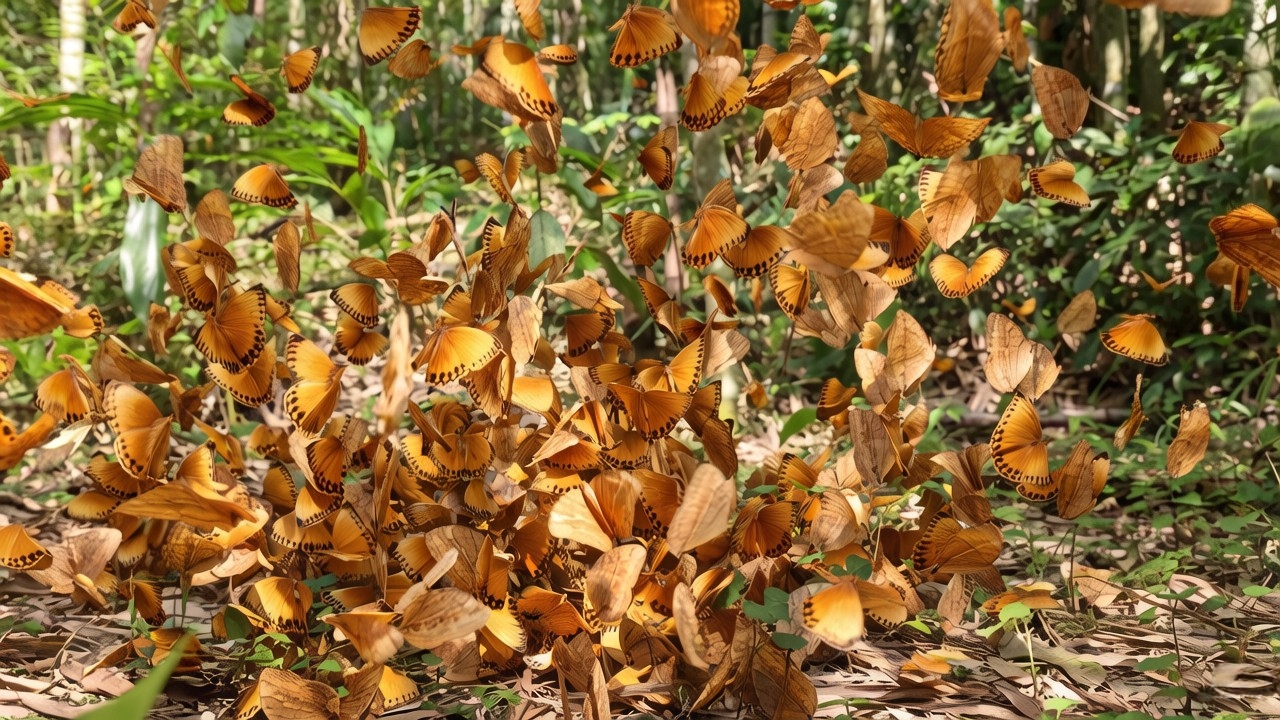
Countless butterflies are seen at the Honghe butterfly valley in Jinping county, southwest China's Yunnan province.
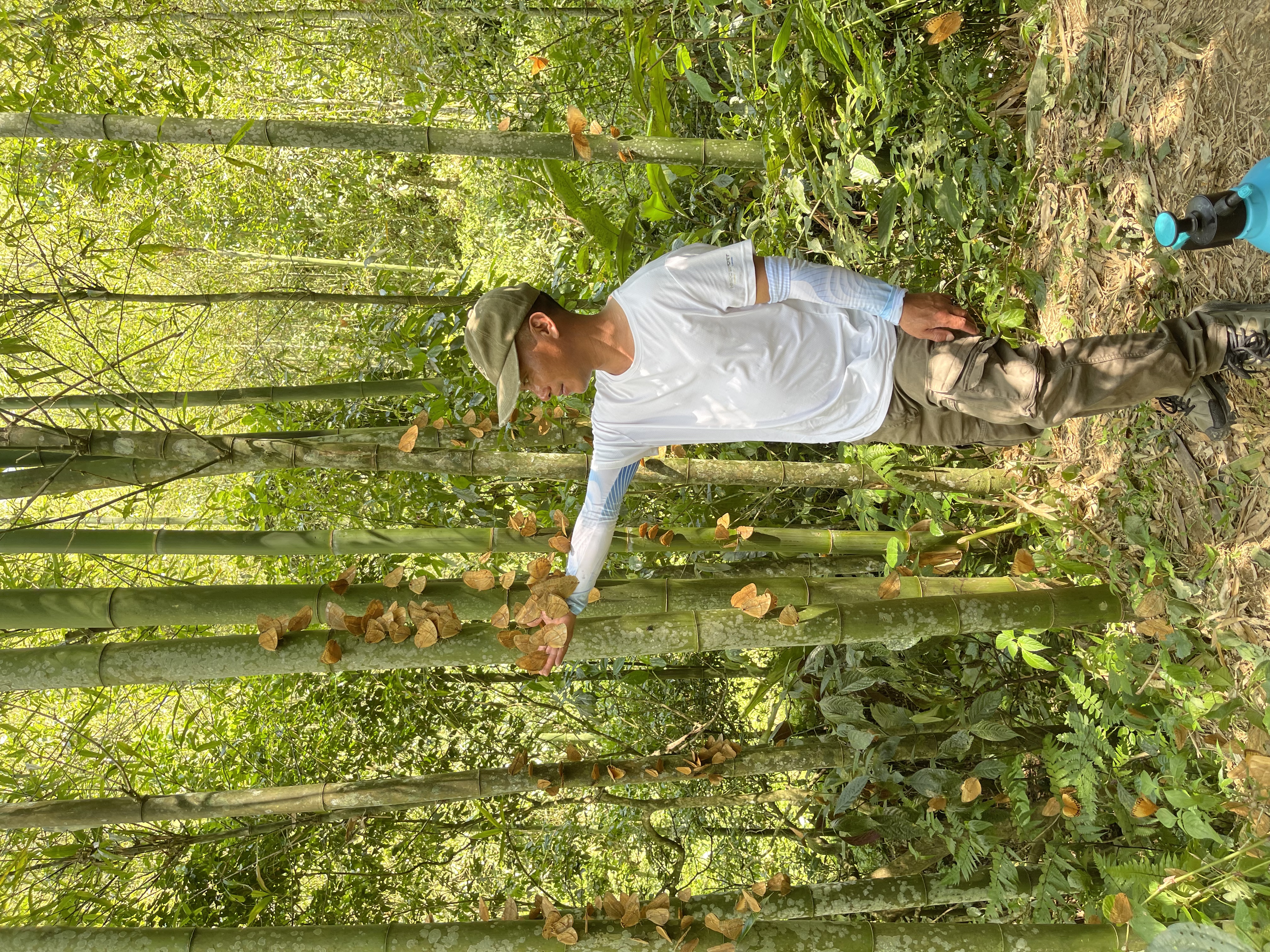
A forest ranger takes care of the butterflies at the Honghe butterfly valley in Jinping county, southwest China's Yunnan province.
In line with the growth habits and breeding cycles of different butterfly populations, a tailored ecological system has been built to facilitate butterfly reproduction, extend the viewing period and enhance the tourist experience.
Furthermore, local specialized cooperatives have been established, integrating four local cultural elements – farming, terraced fields, butterflies, and longevity – to develop homestays, farmhouse dining, and hands-on farming experiences.
The Honghe Butterfly Museum officially opened in May 2023. It houses more than 2,200 butterfly and other insect specimens covering over 320 species from 131 genera across 11 families. The museum allows tourists to learn about butterflies and raise conservation awareness in an entertaining and educational way.
During the butterfly emergence season, Ma’andi Township becomes a popular gathering spot for photography enthusiasts and nature lovers from all over the country.
Supporting tourism infrastructure has been completed, including dedicated butterfly viewing trails and a butterfly breeding base that integrates butterfly release, sightseeing, and science education.
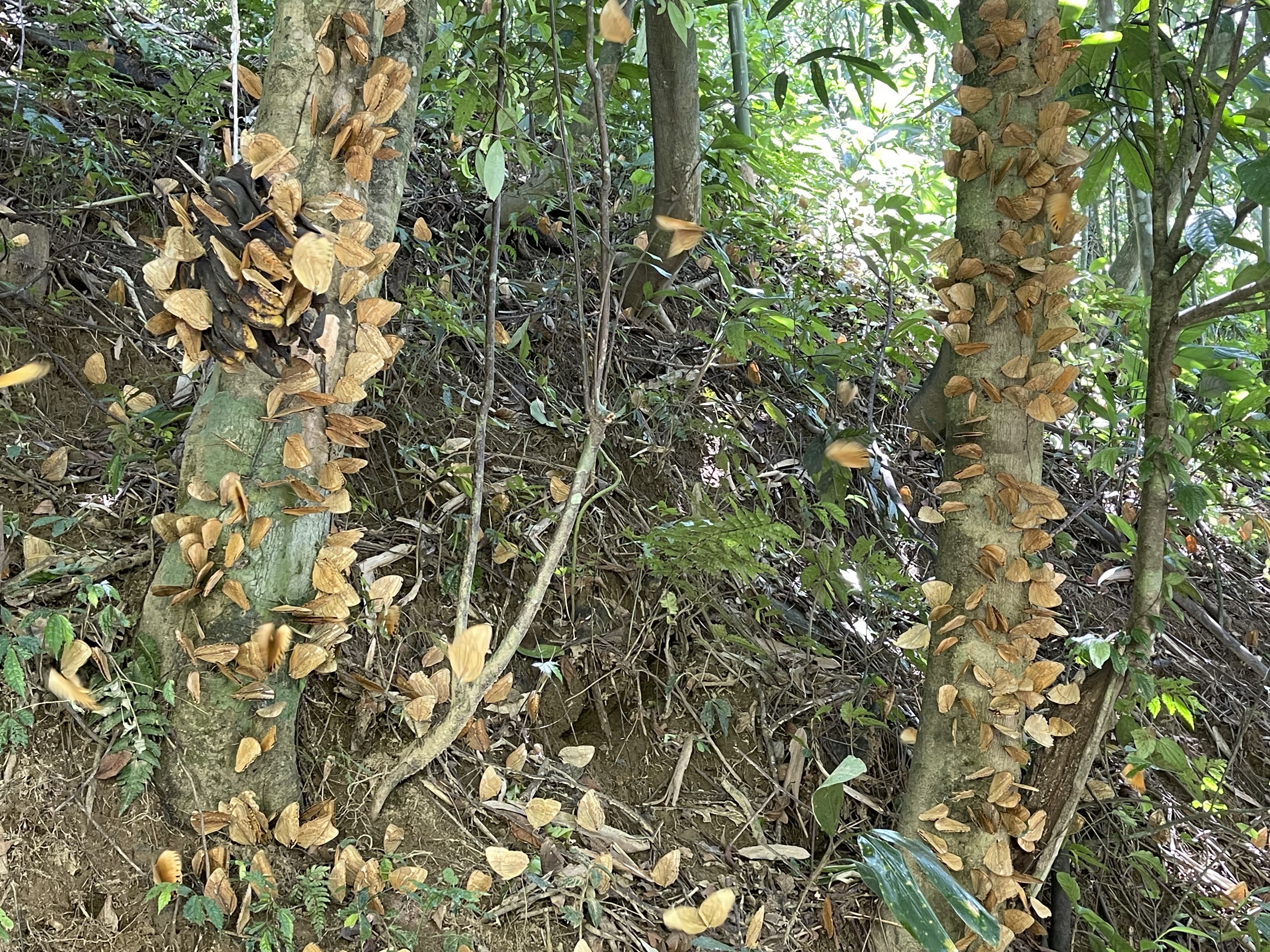
Countless butterflies are seen at the Honghe butterfly valley in Jinping county, southwest China's Yunnan province.

A visitor in Hani costume is delighted to see butterflies at the Honghe butterfly valley in Jinping county, southwest China's Yunnan province.
Local authorities have hosted the China Honghe Butterfly Valley Art Festival for consecutive years. From 2023 to 2025, the scenic area received a total of 313,900 tourist visits with tourism consumption reaching 333.4 million yuan.
In the first quarter of 2026, the county welcomed 8,920 long-stay tourists, a year-on-year increase of 10.12%; the total consumption for residential vacation tourism reached 129 million yuan, rising by 11.50% year on year.
The booming industry has driven comprehensive growth in accommodation, catering and experiential consumption, converting transient tourist flow into sustained economic vitality.
